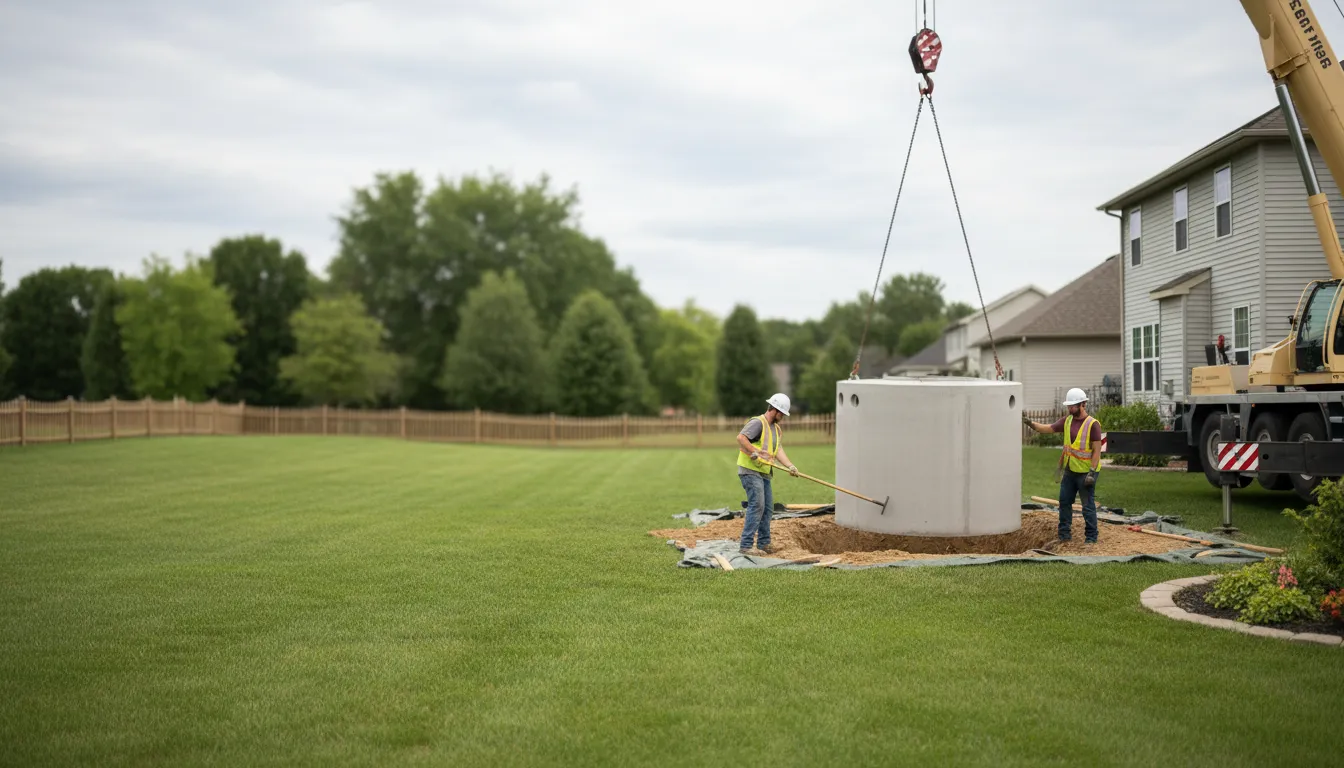
Find the Best Septic Tank Installation & Replacement Contractors for Your Business
No obligation • Fast responses • Nationwide coverage

Why you can trust Septic Spot
Septic Spot is a leading United States resource for understanding and comparing septic services. Our editors review providers using consistent criteria and verify key business details. Listings and scores are independent, and companies cannot pay to influence our content.
Search providers near you
Top Septic Tank Installation & Replacement Contractors in Coppell, Texas Ranked
Planning for a new septic system or replacing an old one in Coppell is a significant project that requires careful navigation of state regulations and local site conditions. A properly installed septic system is crucial for safely managing household wastewater and protecting both your property and the local environment. This guide outlines the key steps, costs, and regulations you need to know to find qualified local professionals for your septic installation or replacement project.
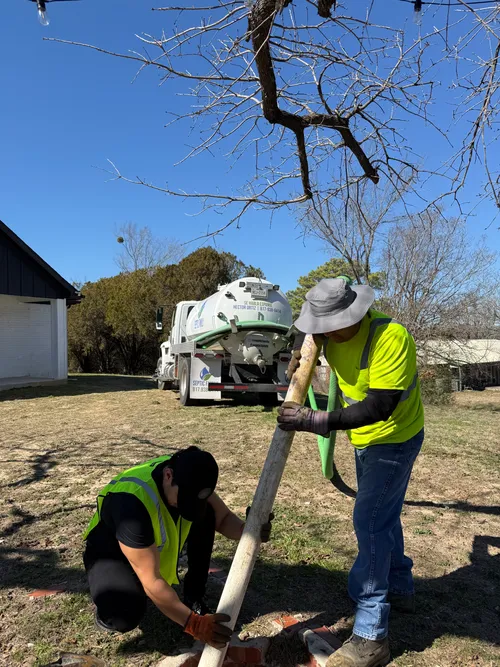
Septic family
545 Harrold St apt 7001, Fort Worth, TX 76107
Septic Family is a septic tank pumping, cleaning, repair, and installation company serving Dallas, TX, and surrounding areas including Fort Worth and multiple nearby communities. The company specializes in both conventional and aerobic septic systems, offering maintenance contracts, installations, and repairs. With 17 years of experience, Septic Family provides bilingual services in English and Spanish and is available 24/7 for septic system needs.
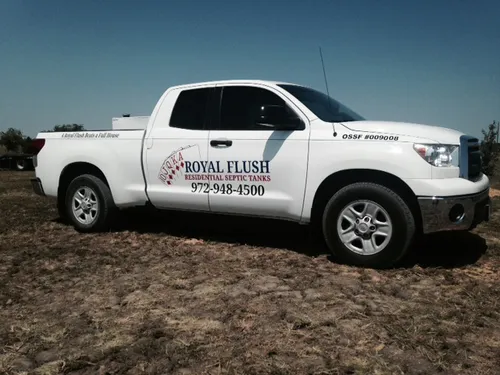
Royal Flush Septic, Inc.
306 N Ash Dr STE D, Allen, TX 75002
Royal Flush Septic, Inc. is a septic tank installation contractor serving Dallas, TX. Since 2001, they have provided residential and commercial septic system installations across the Dallas-Fort Worth Metroplex. Their services include on-site soil evaluations, system design tailored to client needs, and installation backed by a two-year structural guarantee. The company supports home builders and property managers with septic solutions designed for various property sizes and types.

Total Septic
3300 Maroon Creek Rd, Aubrey, TX 76227
Total Septic is a locally owned and operated company based in Dallas, TX, offering a full range of septic system services including installation, pumping, inspection, and repair. They serve multiple Texas counties such as Collin, Grayson, Denton, Rockwall, Fannin, and Hunt. The company specializes in various septic systems including traditional, aerobic, plastic/poly, and concrete tanks, ensuring each installation meets local codes and site conditions. Total Septic also provides excavation services like land clearing, grading, trenching, and demolition for residential and commercial projects. With decades of combined experience, they manage projects with modern equipment and a focus on compliance and safety.
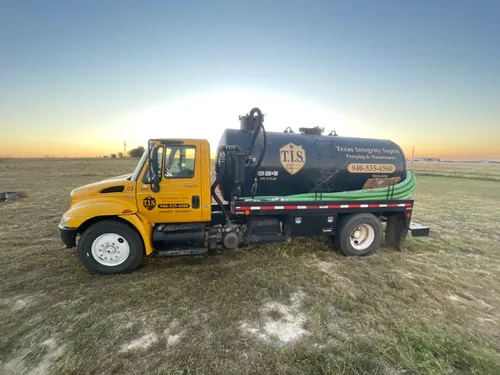
Integrity Septic Services
7588 FM2449, Ponder, TX 76259
Integrity Septic Services is a family-owned and operated company providing septic system pumping, cleaning, repair, and installation services in Dallas, TX. They serve Denton, Wise, Cooke, Grayson, and Tarrant Counties, specializing in both conventional and aerobic septic systems as well as lift stations. With 17 years of experience, the company is licensed and insured, offering maintenance contracts and emergency services including 24/7 response for septic emergencies.
All Around Septic and Dirt Work
537 Country View Ln, Garland, TX 75043
All Around Septic and Dirt Work is a family-owned septic system company serving Dallas, TX. They provide septic tank pumping, system installation, repairs, and excavation services. With over 50 years of experience, the company offers expertise in septic system maintenance and sewer pipe restoration. Their in-house equipment supports a range of septic and dirt work projects.
Understanding Septic System Basics for Coppell Homes
A septic system, or onsite sewage facility (OSSF), is a self-contained wastewater treatment system for properties not connected to a municipal sewer line. In Coppell, which is part of the Dallas-Fort Worth metroplex, these systems are common in more rural or larger-lot areas of the city and surrounding county jurisdictions. The system typically consists of a septic tank, where solids settle and begin to decompose, and a drain field (or leach field), where treated liquid effluent is dispersed into the soil for final purification.
The need for a new system installation often arises when building a new home on undeveloped land. Replacement becomes necessary when an existing system fails due to age, damage, or improper maintenance, which can lead to backups, soggy drain fields, or environmental contamination. Understanding the local regulatory landscape is the first critical step in either process.
Texas and Local Regulations You Must Follow
All septic system work in Texas is governed by the Texas Commission on Environmental Quality (TCEQ) under Title 30, Chapter 285 of the Texas Administrative Code (30 TAC 285). Coppell homeowners must comply with these state rules, as well as any additional requirements from the local permitting authority. This is typically the county health or environmental department (Dallas County or Denton County, depending on your location) or a city-specific office if Coppell has its own ordinances.
A state permit is almost always required before any installation or replacement work can begin. The process is designed to ensure the system is designed and installed correctly to protect public health and groundwater. There is a narrow exemption: properties of ten acres or more with a single-family residence that is not causing a nuisance or polluting water may be exempt from state permitting, but local rules may still apply 1 2. It is essential to verify all requirements with your local authority before proceeding.
The Core Steps for Permitting and Installation
The journey from planning to a functioning septic system involves several defined stages, each requiring professional input and official approval.
-
Site Evaluation and Soil Testing: This is the foundational step. A TCEQ-certified site evaluator must visit your property to conduct a thorough analysis. They will perform tests, including a percolation (perc) test, to determine the soil's absorption rate, depth to groundwater, and overall suitability. The soil conditions in North Texas, which often include clay-heavy layers, directly determine what type of system you can install.
-
System Design and Permit Application: Based on the site evaluation, a licensed professional (often a licensed installer or a professional engineer) will design a system that meets TCEQ standards for your specific property. This design, along with the application, is submitted to the local permitting authority for review.
-
Receiving Authorization to Construct: You cannot break ground until the permitting authority reviews and approves your application, issuing an official "Authorization to Construct." This document is your green light to proceed with the physical installation.
-
Professional Installation: A licensed septic system installer must carry out the construction according to the approved design. This involves excavating for the septic tank and drain field, placing the tank (often concrete, plastic, or fiberglass), connecting plumbing from the house, and constructing the subsurface absorption field.
-
Final Inspection and Approval: Before the drain field is covered with soil, the permitting authority must conduct a final inspection to verify the installation matches the approved plans. Only after passing this inspection can the system be covered and put into use 3 4 5.
Types of Septic Systems Common in the Coppell Area
The results of your soil test will dictate the type of system suitable for your land. The two primary categories are:
- Conventional Systems: These are the most common and cost-effective option when soil conditions are favorable. They consist of a septic tank and a subsurface trench or bed drain field. They rely on good soil percolation to treat and disperse effluent.
- Aerobic Treatment Systems (ATS): In areas with poor soil drainage, high clay content, or a high water table-conditions not uncommon in parts of Texas-an aerobic system may be necessary. These systems use an oxygen-rich chamber to break down waste more efficiently before the effluent is discharged to a spray or drip irrigation field. They are more complex and expensive but are often the only viable option for challenging sites 6.
Find the perfect septic tank installation & replacement contractors for your needs
Get personalized recommendations and expert advice
What Impacts the Cost of Installation or Replacement?
The total cost for a septic system in Coppell can vary widely based on several factors. For a standard residential system (typically 1,000-1,500 gallons), homeowners can expect a broad range, with total installation costs often falling between $3,500 and $12,000 or more 7.
- System Type and Size: A conventional gravity-fed system is generally less expensive than an aerobic treatment unit or a system with pumps. The size of the tank and drain field, determined by the home's number of bedrooms and water usage, also affects material and labor costs.
- Soil and Site Conditions: Difficult sites requiring extensive grading, rock removal, or the installation of an advanced treatment system will increase the price significantly. The need for a pump to move effluent uphill also adds cost.
- Materials: The choice of tank material (concrete, plastic, or fiberglass) has different price points. Concrete is common and durable but heavier to install.
- Labor and Professional Fees: This includes excavation, installation labor, and fees for the site evaluator and designer.
- Permit Fees: Local permit fees for septic system installation can range from approximately $300 to $1,200, depending on the jurisdiction and system complexity 8 9 10.
It's important to view these figures as estimates. The only way to get an accurate cost for your Coppell property is to obtain detailed quotes from licensed, local installers after a site evaluation has been completed.
Choosing a Qualified Septic Professional in Coppell
Given the technical and regulatory complexity, selecting the right contractor is paramount. Look for professionals who are:
- Licensed by the TCEQ: Ensure they hold a current Installer II or Apprentice Installer license, and that they use a TCEQ-certified site evaluator for the initial assessment 11.
- Experienced with Local Authorities: Choose a company familiar with the specific processes of Dallas County, Denton County, or the City of Coppell's permitting offices.
- Transparent in Quoting: A reputable installer will provide a detailed, written estimate that breaks down costs for design, permits, materials, labor, and any anticipated site work.
- Insured and Bonded: This protects you in case of accidents or failure to complete the job according to code.
Always ask for references from recent projects in the area and verify their standing with the TCEQ and the Better Business Bureau.
Maintaining Your New Septic System
Once your new system is installed, proper maintenance is key to a long lifespan (often 20-40 years). This includes regular pumping of the tank (typically every 3-5 years), conserving water to avoid overloading the system, and avoiding flushing harmful chemicals or non-biodegradable materials. Protect your investment by keeping heavy vehicles off the drain field and landscaping carefully to prevent root intrusion.
Frequently asked questions
Sources
Footnotes
-
Septic Tank Laws in Texas - https://dillonseptic.com/septic-tank-laws-in-texas/ ↩
-
How to Know if You Need a Septic System Permit - Pippin Home Designs - https://www.pippinhomedesigns.com/septic-system-permit/ ↩
-
Getting a Permit for an OSSF - Such as a Septic System - Texas Commission on Environmental Quality - https://www.tceq.texas.gov/permitting/ossf/ossfpermits.html ↩
-
Installing a Septic System at Your Home: What the Process ... - https://brighteyestexas.com/installing-a-septic-system-at-your-home-what-the-process-looks-like/ ↩
-
Steps to Obtain an OSSF Permit | Comal County, TX - https://www.comalcounty.gov/793/Steps-to-Obtain-an-OSSF-Permit ↩
-
Design - & - Installation - in - Central - Texas - EPIC™ Septic - https://epicseptic.com/the-ultimate-guide-to-septic-system-design-installation-in-central-texas-what-every-homeowner-builder-needs-to-know/ ↩
-
Cost to Install a Septic System in Dallas [2026 Data] - Angie's List - https://www.angi.com/articles/what-does-it-cost-install-septic-system/tx/dallas ↩
-
Cost of a Septic System in Texas - https://dillonseptic.com/cost-of-a-septic-system-in-texas/ ↩
-
How Much Does a Septic Tank Cost? - NerdWallet - https://www.nerdwallet.com/home-ownership/home-improvement/learn/septic-tank-cost ↩
-
SEPTIC SYSTEM LAWS IN TEXAS - https://www.terseptic.com/posts/septic-systems-its-the-law ↩
-
Texas Septic System Regulations - https://dillonseptic.com/texas-septic-system-regulations/ ↩