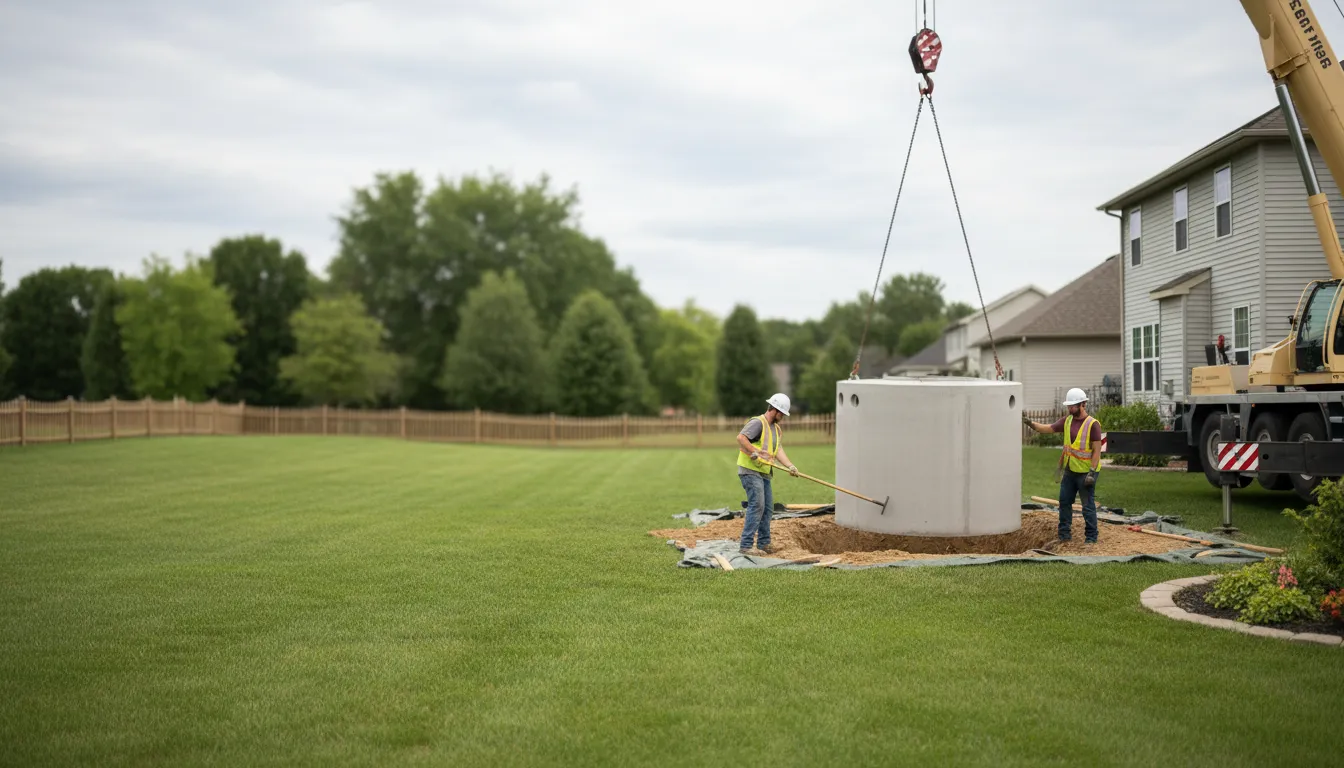
Find the Best Septic Tank Installation & Replacement Contractors for Your Business
No obligation • Fast responses • Nationwide coverage

Why you can trust Septic Spot
Septic Spot is a leading United States resource for understanding and comparing septic services. Our editors review providers using consistent criteria and verify key business details. Listings and scores are independent, and companies cannot pay to influence our content.
Search providers near you
Top Septic Tank Installation & Replacement Contractors in Denton, Texas Ranked
Installing or replacing a septic system is a significant home infrastructure project that ensures safe, on-site wastewater treatment for properties not connected to a municipal sewer line. In Denton, this process is governed by specific local and state regulations to protect public health and groundwater. Whether you're building a new home, replacing a failing system, or upgrading an existing one, understanding the steps, costs, and requirements is crucial. This guide provides a detailed overview of the septic system installation and replacement process in Denton, helping you navigate planning, permitting, and finding qualified local professionals.
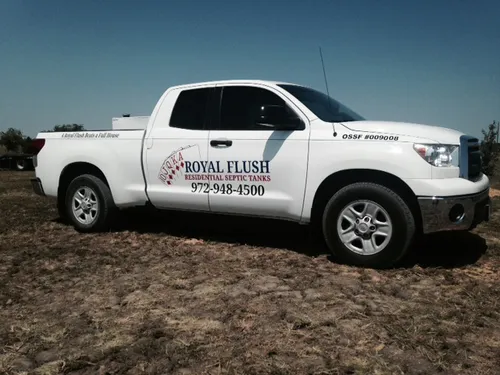
Royal Flush Septic, Inc.
306 N Ash Dr STE D, Allen, TX 75002
Royal Flush Septic, Inc. is a septic tank installation contractor serving Dallas, TX. Since 2001, they have provided residential and commercial septic system installations across the Dallas-Fort Worth Metroplex. Their services include on-site soil evaluations, system design tailored to client needs, and installation backed by a two-year structural guarantee. The company supports home builders and property managers with septic solutions designed for various property sizes and types.

Total Septic
3300 Maroon Creek Rd, Aubrey, TX 76227
Total Septic is a locally owned and operated company based in Dallas, TX, offering a full range of septic system services including installation, pumping, inspection, and repair. They serve multiple Texas counties such as Collin, Grayson, Denton, Rockwall, Fannin, and Hunt. The company specializes in various septic systems including traditional, aerobic, plastic/poly, and concrete tanks, ensuring each installation meets local codes and site conditions. Total Septic also provides excavation services like land clearing, grading, trenching, and demolition for residential and commercial projects. With decades of combined experience, they manage projects with modern equipment and a focus on compliance and safety.
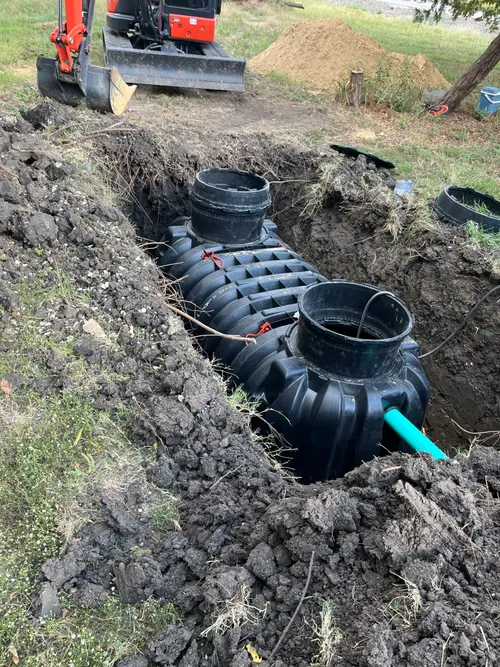
Bright Star Excavating & Septic
McKinney, TX
Bright Star Excavating & Septic is a locally owned and operated company based in McKinney, TX, specializing in septic system installation, replacement, and repairs. They serve Collin County and surrounding areas, offering tailored septic solutions that comply with local regulations. Their services include designing and installing septic systems suited to specific property needs, as well as replacing old or damaged systems to improve efficiency. With years of experience, the team uses modern tools and technology to ensure quality workmanship and comprehensive project management from assessment to installation.
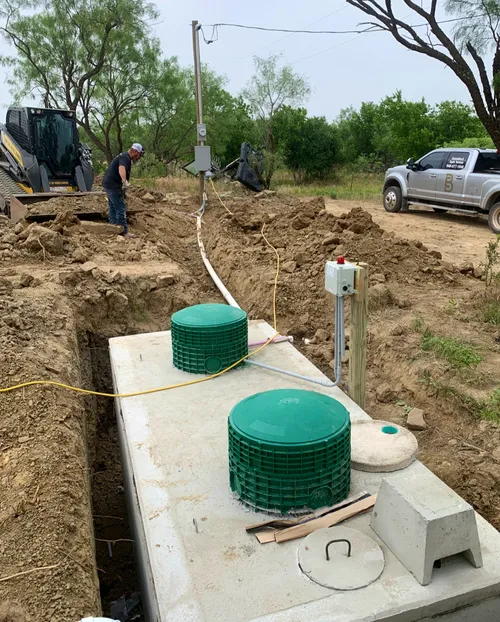
Bramlett Enterprises, INC dba Bramlett Septic
140 Co Rd 3023, Decatur, TX 76234
Bramlett Enterprises, INC dba Bramlett Septic is a septic system repair and installation company based in Fort Worth, TX. They offer a range of services including septic tank installation, repair, and maintenance, as well as land development tasks such as dirt work, land clearing, and grading. The company can assist with different types of septic systems, including conventional and aerobic systems, and provides maintenance policies to help ensure system longevity and compliance with regulations. In addition to septic services, Bramlett Enterprises handles projects like culverts, erosion control, road construction, and pond excavation.
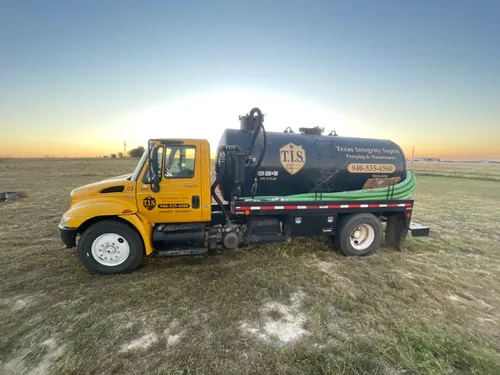
Integrity Septic Services
7588 FM2449, Ponder, TX 76259
Integrity Septic Services is a family-owned and operated company providing septic system pumping, cleaning, repair, and installation services in Dallas, TX. They serve Denton, Wise, Cooke, Grayson, and Tarrant Counties, specializing in both conventional and aerobic septic systems as well as lift stations. With 17 years of experience, the company is licensed and insured, offering maintenance contracts and emergency services including 24/7 response for septic emergencies.
Understanding Septic Systems and Local Jurisdiction
An On-Site Sewage Facility (OSSF), commonly called a septic system, treats household wastewater through a combination of a holding tank and a soil-based drainage field. The type of system you can install depends heavily on your property's soil conditions and local regulations. In Denton, the permitting authority you work with depends on your location. For properties within the city limits, the City of Denton handles all OSSF permits and inspections 1. If your property is in the unincorporated areas of Denton County, you must work with the Denton County Environmental Health department. It's essential to confirm your jurisdiction first, as application forms and specific procedural details may vary.
A critical first step is determining if you even need a permit. Texas has a "10 Acre Rule," which states that a permit might not be required if the property is 10 acres or larger, the system serves a single family, it is not a nuisance, and all components are at least 100 feet from any property line. However, most residential lots in and around Denton are smaller, meaning a permit is mandatory for any new installation, repair, or alteration of a septic system.
The Step-by-Step Installation Process
1. The Mandatory Site Evaluation and Soil Test
Before any design work can begin, a licensed Site Evaluator or Professional Engineer must conduct a site evaluation. This is not a simple percolation test; it's a comprehensive analysis of your property's soil characteristics, depth to groundwater, topography, and available space. The evaluator will take soil borings to assess texture and structure, which determines the soil's ability to absorb and treat effluent.
Why is this so important? The results of this test dictate the type of system you can install. Suitable soils may allow for a conventional gravity-fed drainfield system. However, many areas in North Texas have dense clay soils or high groundwater, which can require a more advanced aerobic treatment system (ATS) or other alternative design. The site evaluation typically costs between $350 and $500 2.
2. Engineering and System Design
With the site evaluation report in hand, a system must be designed. For conventional systems, a licensed installer often creates the plan. For more complex aerobic or engineered systems, a Professional Engineer (PE) must typically prepare the design. These engineered plans specify the tank size, drainage field layout, component specifications, and the exact location of all parts on your property. This design package becomes a core part of your permit application.
3. Securing Your Permit
With your site evaluation and design plans complete, you can submit a notarized application to the correct authority (City of Denton or Denton County). Permit fees vary. In unincorporated Denton County, fees can range from approximately $100 for a repair to $310 for a new installation. The city may have a different fee schedule. Never begin excavation before the permit is approved.
4. Installation by a Licensed Professional
Texas law requires that septic system installations be performed by a contractor licensed by the Texas Commission on Environmental Quality (TCEQ) 3. Hiring a licensed installer ensures the work meets state code, which is vital for system performance, longevity, and protecting your property value. The installation involves excavating for the tank and drain field, placing the tank (concrete is common), connecting plumbing from the house, and constructing the absorption field according to the engineered plans.
5. Critical Inspections
Inspections are non-negotiable checkpoints. The most crucial is the pre-cover inspection, where a county or city inspector visits the site before the tank and trenches are backfilled with soil 4. They verify the tank's placement, pipe slopes, electrical connections for aerobic systems, and overall layout against the approved plans. Once the system is covered, a final inspection may test pumps, spray heads (for aerobic systems), and alarm systems to ensure everything is operational 4. Passing these inspections is required for final approval of your installation.
Find the perfect septic tank installation & replacement contractors for your needs
Get personalized recommendations and expert advice
Cost Factors for Septic System Projects in Denton
The total cost of a septic system installation or replacement in Denton can vary widely based on several key factors. Understanding these can help you budget effectively.
- System Type: This is the largest cost determinant. A conventional anaerobic system is generally the least expensive option, with installation often starting in the $5,000 to $10,000+ range. If your site requires an aerobic treatment system, costs are significantly higher, frequently ranging from $10,000 to over $20,000 due to the added mechanical components, electrical work, and more complex design.
- Property and Soil Conditions: The results of the site evaluation directly impact cost. Difficult sites with poor drainage, high bedrock, or small lot sizes may require advanced pretreatment units, raised drain fields (mounds), or other engineering solutions that increase the price.
- Tank Material and Size: Concrete tanks are standard and durable. Plastic or fiberglass tanks may have different cost implications. Larger tanks for bigger homes cost more.
- Labor and Excavation: The complexity of the excavation, accessibility of the site for heavy equipment, and local labor rates all affect the final bill.
- Professional Fees: Remember to factor in the separate costs for the site evaluation ($350-$500), engineering design (if required), and permit fees ($100-$310+) 5 6 7.
When considering total project cost, a standard residential septic system installation in the Denton area, including all professional services, permits, and materials, often falls within the $10,000 to $20,000+ range 8 9. Getting multiple detailed quotes from licensed installers is essential.
When to Consider System Replacement
Replacing an existing septic system is a major undertaking, but it's necessary when:
- The system is failing, evidenced by soggy ground or sewage backups in the home.
- You are planning a major home addition that increases wastewater flow beyond the system's design capacity.
- The existing system is old and made of outdated materials (e.g., steel tanks that corrode).
- You need to repair a drain field, which often involves a full replacement as effectively as installing a new one.
The replacement process follows the same permitting and installation steps as a new system. In some cases, if the existing tank is sound, only the drain field may need to be replaced, but this still requires a permit and site evaluation.
Maintaining Your New Septic Investment
Once your new system is installed, proper maintenance is key to a long lifespan (often 20-40 years). For conventional systems, this means regular pumping every 3-5 years. Aerobic systems have more stringent maintenance requirements, including quarterly or semi-annual inspections and servicing of the aerator, pumps, and alarms as mandated by TCEQ 10. Keeping detailed records of all maintenance and inspections is not only smart but may be legally required.
Frequently asked questions
Sources
Footnotes
-
On-Site Sewage Facility | Denton, TX - https://www.cityofdenton.com/664/On-Site-Sewage-Facility ↩
-
Septic System Cost Guide: Prices, Factors & Savings - https://landperc.com/septic-system-cost-estimate/ ↩
-
Getting a Permit for an OSSF - Such as a Septic System - Texas Commission on Environmental Quality - https://www.tceq.texas.gov/permitting/ossf/ossfpermits.html ↩
-
Installing a Septic System at Your Home: What the Process ... - https://brighteyestexas.com/installing-a-septic-system-at-your-home-what-the-process-looks-like/ ↩ ↩2
-
On-Site Sewage Facilities (OSSF) a.k.a "Septic Systems" - https://www.dentoncounty.gov/DocumentCenter/View/1441/What-You-Must-Know-PDF ↩
-
Percolation Tests | Vassallo & Salazar, P.C. | Dallas, Texas - https://www.vslawyers.com/real-estate-newsletters/percolation-tests/ ↩
-
Average Cost to Install Septic System in Texas - https://dillonseptic.com/average-cost-to-install-septic-system-in-texas/ ↩
-
Cost of a Septic System in Texas - https://dillonseptic.com/cost-of-a-septic-system-in-texas/ ↩
-
How Much Does a Septic Tank Cost? - NerdWallet - https://www.nerdwallet.com/home-ownership/home-improvement/learn/septic-tank-cost ↩
-
Basics for Septic Systems - https://www.tceq.texas.gov/assistance/water/fyiossfs.html ↩