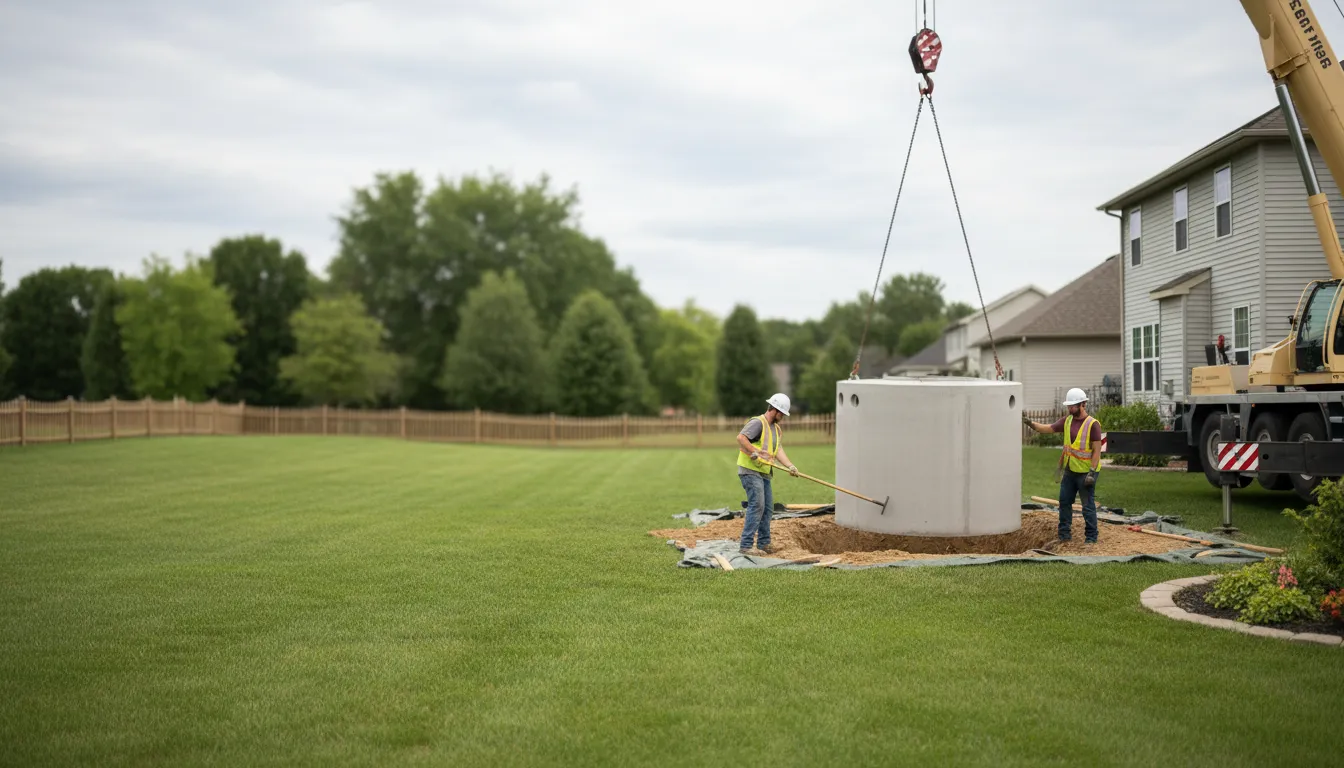
Find the Best Septic Tank Installation & Replacement Contractors for Your Business
No obligation • Fast responses • Nationwide coverage

Why you can trust Septic Spot
Septic Spot is a leading United States resource for understanding and comparing septic services. Our editors review providers using consistent criteria and verify key business details. Listings and scores are independent, and companies cannot pay to influence our content.
Search providers near you
Top Septic Tank Installation & Replacement Contractors in Georgetown, Texas Ranked
Installing or replacing a septic system is a significant investment in your property's long-term functionality and environmental health. In Georgetown, this process is governed by specific local and state regulations due to the area's unique soil conditions. This guide explains the key steps, costs, and considerations for septic system work, helping you understand what to expect and how to connect with qualified local professionals for your project.
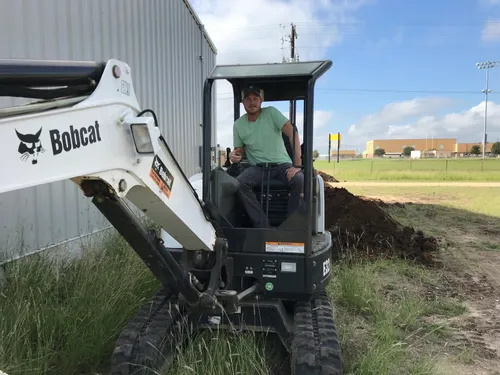
Synergy Onsite Septic Solutions
Austin, TX
Synergy Onsite Septic Solutions is a septic tank inspection, repair, and installation company based in Austin, TX. They serve Austin and Central Texas, including many surrounding communities. Their services include repairs, diagnostics, locating and marking septic systems, installation, replacements, maintenance contracts, and consulting. The company is known for providing accurate assessments and appropriate solutions to septic system issues, often helping customers avoid unnecessary repairs. They also offer assistance with inspection preparation and referrals for pumping and design services.
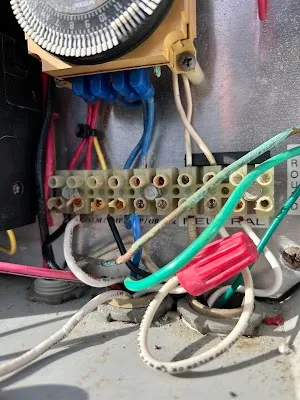
HomeField Williamson County
40203 Industrial Park Cir, Georgetown, TX 78626
HomeField Williamson County provides comprehensive septic system services in Austin, TX, covering residential and commercial needs. Their offerings include septic tank pumping, inspections, repairs, installations, drain field replacements, and system design. The company emphasizes local expertise and proactive maintenance plans to help prevent future problems. They serve Williamson County with a team familiar with local regulations and conditions, ensuring septic systems meet current requirements. HomeField also offers various maintenance plans tailored to different levels of coverage and support.
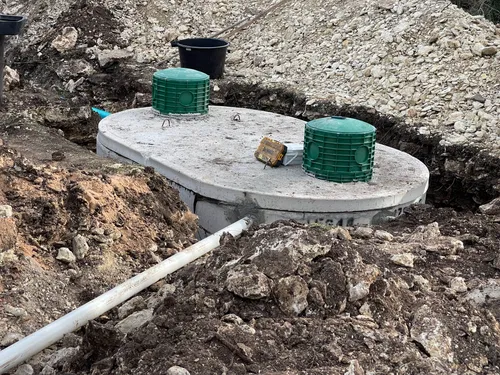
Godinez Septics Inc
5407 Phillips Cir, Austin, TX 78734
Godinez Septics Inc is a family-owned septic system company serving Austin, TX, and the surrounding Lake Travis area. They provide a range of services including septic tank pumping, inspection, repair, installation, and drain field replacement. The company is licensed by TCEQ for septic system maintenance and installation, offering specialized services such as aerobic system maintenance contracts and hydro-jetting to clear sewer lines. With over 40 years of experience in the septic and excavation business, Godinez Septics is led by Orlando Godinez, a longtime local resident and licensed installer.
Paramount Excavating, LLC
Round Rock, TX
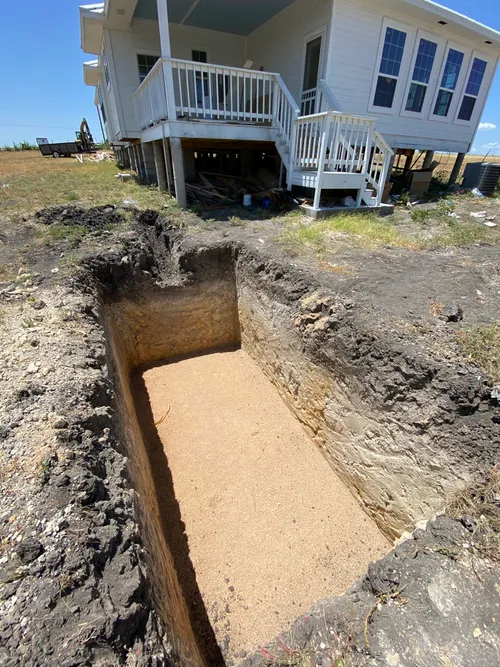
Paramount Excavating, LLC is a family-owned septic tank installation contractor based in Round Rock, TX. They serve Georgetown, Williamson County, and surrounding areas, providing licensed septic system installations and residential excavation services. Their team manages everything from permits to final inspections and prepares residential lots by clearing, grading, and leveling land to ensure proper drainage and foundation. With over 35 years of construction experience, Paramount Excavating emphasizes skilled workmanship and open communication throughout each project.
Hines Septic Of Austin Tx
Austin, TX
Hines Septic Of Austin Tx is a family-owned septic service provider based in Austin, TX. They offer septic tank pumping, installation, inspection, and repair services, including drain field repair and replacement. The company is fully licensed and insured, ensuring all work is performed to code. They provide 24/7 emergency septic services and back their installations with a one-year labor warranty.
Understanding Georgetown's Septic System Landscape
Georgetown, located in Williamson County within the Texas Hill Country, presents distinct challenges for onsite wastewater treatment. The prevalent soil types-clay-heavy compositions and shallow limestone bedrock-directly influence the type of system you can install and the overall project complexity. These conditions often limit the feasibility of conventional gravity-fed drain fields, making more advanced aerobic treatment systems (ATS) a common requirement. Navigating this process successfully requires an understanding of the regulatory framework, the installation steps, and the long-term maintenance commitments.
The Regulatory Framework: Permits and Approvals
All septic system installation, replacement, or major repair work in Georgetown requires formal approval before any digging begins. Williamson County administers permits, typically following rules established by the Texas Commission on Environmental Quality (TCEQ) for On-Site Sewage Facilities (OSSFs).
- Permit Application: You must submit a detailed system design prepared by a licensed professional-either a registered engineer or a licensed site evaluator-for county approval 1. This design is based on a mandatory site evaluation.
- Site Evaluation (Soil Test): A professional conducts a percolation test and deep observation hole analysis to determine the soil's absorption rate, depth to groundwater, and presence of rock 2. This evaluation is the most critical factor in deciding whether a conventional or aerobic system is needed.
- Licensed Professionals: State law requires that the site evaluation, design, and physical installation be performed by licensed individuals 3. Hiring a licensed installer is not just a recommendation; it's a legal requirement for obtaining a permit and passing inspections.
The Installation Process: Step-by-Step
A full septic system project is a multi-stage process that can take several weeks from start to finish.
- Site Evaluation & Design: This initial phase determines your property's suitability and dictates the system type. Based on the findings, an engineer creates a custom design specifying tank size, component locations, and treatment methodology.
- Permit Submission & Approval: The engineered design is submitted to Williamson County with the permit application. The review period can vary, but approval must be secured before any construction 4.
- Pre-Construction Inspection: An inspector may visit the site to verify conditions match the approved plans before installation begins.
- Excavation & Installation: The licensed installer excavates for the septic tank, treatment unit, and spray field or drainfield. For aerobic systems, this includes placing tanks, pumps, electrical components, and spray heads.
- Open Trench Inspection: Before the system is buried, a crucial inspection occurs. The inspector checks tank placement, pipe slopes, and the proper setup of all mechanical components.
- Final Inspection & Approval: Once covered and connected, a final inspection tests the pump, alarm, and spray operation. Only after this "green tag" approval is the system legally authorized for use 5.
Find the perfect septic tank installation & replacement contractors for your needs
Get personalized recommendations and expert advice
Cost Considerations for Septic Work
The total cost for a new septic tank system in Georgetown is highly variable, primarily driven by the type of system required. Be prepared for a range of expenses beyond just the tank and labor.
- Permit and Design Fees: Initial costs for soil testing, engineering design, and county permit fees typically range from $400 to $900.
- Conventional System Costs: While less common due to soil constraints, a conventional anaerobic system might range from approximately $4,500 to $7,500 for materials and labor if site conditions allow.
- Aerobic System Costs: The more typical system for the area, an aerobic treatment unit, has a wider cost range. Basic installation can be $10,000 to $16,000, but with challenging site prep (like rock excavation), the total project cost frequently averages between $14,000 and $25,000 or more in the Hill Country 6 7.
- Additional Factors: Costs can increase with larger home sizes, the need for advanced pretreatment filters, or extensive landscaping restoration after installation.
Key Local Factors and Long-Term Care
Understanding Georgetown's specific context will help you plan a successful project.
- Soil and Rock: The high clay content and shallow rock mean many properties require significant excavation or even blasting, which adds to the timeline and cost. An aerobic system's spray irrigation field is often the only viable dispersal method.
- Project Timeline: From the initial site evaluation to final approval, plan for a process lasting 3 to 8 weeks. The actual physical installation typically takes 1 to 3 days once the crew is on site 8.
- Ongoing Maintenance: This is non-negotiable for aerobic systems. TCEQ and Williamson County regulations require homeowners to maintain a valid maintenance contract with a licensed service provider 9. This contract ensures quarterly or semi-annual inspections, ensuring your system operates correctly and protects public health.
Planning for a System Replacement
Replacing a failing septic system follows a similar path to a new installation. The process begins with a new site evaluation and permit application. Often, replacement is an opportunity to upgrade an older conventional system to a modern aerobic unit that meets current codes. It's crucial to address problems early, as a complete system failure can lead to environmental hazards and urgent, more expensive repairs.
Frequently asked questions
Sources
Footnotes
-
What laws in Texas apply to septic systems? - Water School - https://brazos.org/about-us/education/water-school/articleid/349/what-laws-in-texas-apply-to-septic-systems ↩
-
Texas Septic System Regulations - https://dillonseptic.com/texas-septic-system-regulations/ ↩
-
Basics for Septic Systems - https://www.tceq.texas.gov/assistance/water/fyiossfs.html ↩
-
Getting a Permit for an OSSF - Such as a Septic System - Texas Commission on Environmental Quality - https://www.tceq.texas.gov/permitting/ossf/ossfpermits.html ↩
-
Septic Permit - Strictly Septic Service - https://septic-service-texas.com/septic-permit/ ↩
-
What You Should Know About Septic Systems When Building ... - https://riverhillsbuilder.com/septic-systems-hill-country/ ↩
-
Average Cost to Install Septic System in Texas - https://dillonseptic.com/average-cost-to-install-septic-system-in-texas/ ↩
-
Installing a Septic System at Your Home: What the Process ... - https://brighteyestexas.com/installing-a-septic-system-at-your-home-what-the-process-looks-like/ ↩
-
Texas Septic Tank Rules - https://dillonseptic.com/texas-septic-tank-rules/ ↩