
Find the Best Septic Tank Installation & Replacement Contractors for Your Business
No obligation • Fast responses • Nationwide coverage

Why you can trust Septic Spot
Septic Spot is a leading United States resource for understanding and comparing septic services. Our editors review providers using consistent criteria and verify key business details. Listings and scores are independent, and companies cannot pay to influence our content.
Search providers near you
Top Septic Tank Installation & Replacement Contractors in Grand Prairie, Texas Ranked
Installing or replacing a septic system is a significant home infrastructure project that requires careful planning and professional expertise. For homeowners in Grand Prairie, this process is regulated by local and state authorities to protect public health and the environment. This guide explains the essential steps, costs, and regulations for septic system installation and replacement in Grand Prairie, helping you understand what to expect and how to connect with qualified local professionals for your project.
Septic family
545 Harrold St apt 7001, Fort Worth, TX 76107
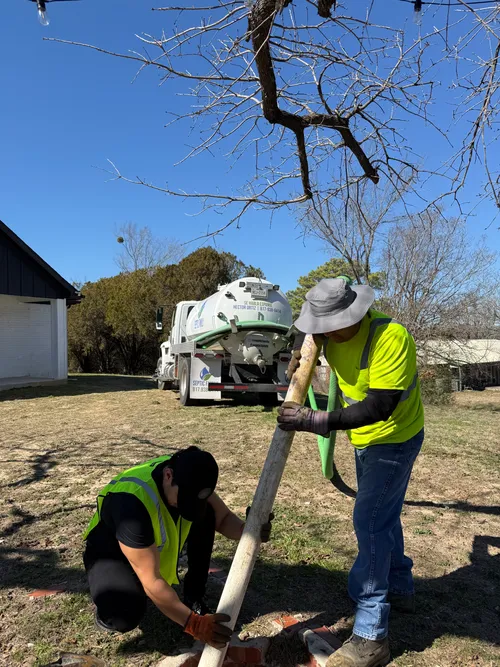
Septic Family is a septic tank pumping, cleaning, repair, and installation company serving Dallas, TX, and surrounding areas including Fort Worth and multiple nearby communities. The company specializes in both conventional and aerobic septic systems, offering maintenance contracts, installations, and repairs. With 17 years of experience, Septic Family provides bilingual services in English and Spanish and is available 24/7 for septic system needs.

A Plus Environmental LLC
Dallas, TX
A Plus Environmental LLC is a septic tank inspection, repair, and installation company based in Dallas, TX. They offer a range of services including septic tank installation, repairs, inspections, and custom septic system design. The company also provides septic system monitoring contracts that comply with TCEQ and county regulations. A Plus Environmental LLC serves Ellis, Dallas, and Kaufman counties and is a licensed and insured OSSF installer and provider. They offer emergency septic services to address urgent issues promptly.
Harrington Environmental - Septic Pumping & Grease Trap Service
3778 Burleson Retta Rd, Burleson, TX 76028
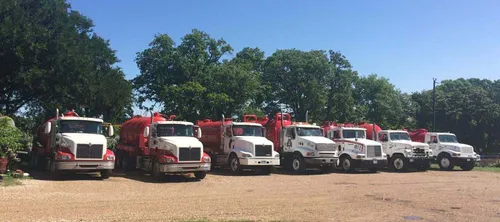
Harrington Environmental - Septic Pumping & Grease Trap Service is a full-service liquid waste company based near Dallas, TX. They provide septic tank pumping, aerobic septic system installation and repair, and commercial grease trap services. Their licensed and certified technicians handle grease and sand trap cleaning, grit trap service, lift station pumping, and maintenance of aerobic systems. Harrington Environmental serves the Dallas-Fort Worth metroplex and surrounding counties, offering expertise in both residential and commercial environmental waste management.
B2 Septic Services
9301 County Rd 519, Alvarado, TX 76009
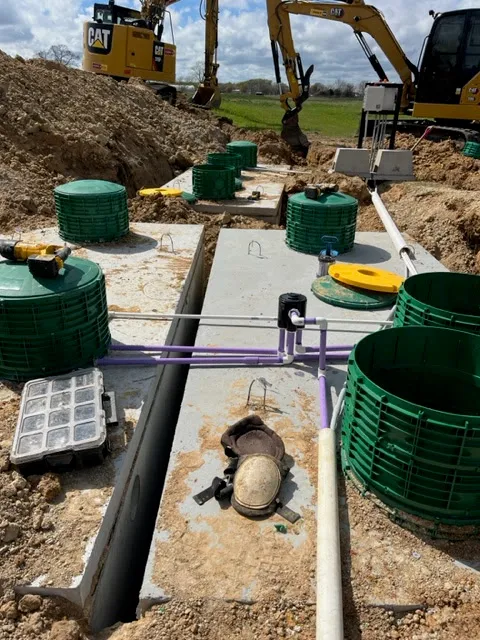
B2 Septic Services is a licensed septic system repair and installation company based near Dallas, TX. They provide septic tank installation, septic pump repair, and lift station services tailored to individual customer needs. Their licensed status allows them to handle a range of septic system solutions efficiently.
Texway Wastewater Services LLC
880 Prairie Timber Rd, Burleson, TX 76028
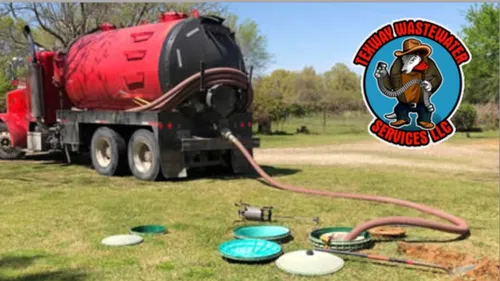
Texway Wastewater Services LLC is a septic service provider based in Dallas, TX, serving Johnson County. The company offers septic tank pumping, grease trap pumping, septic system inspections including video inspections, and septic system repairs and replacements. They operate with multiple high-capacity pump trucks and an excavator, enabling them to handle both routine maintenance and complex septic system issues. Texway Wastewater Services emphasizes maintaining and protecting septic systems to ensure efficient operation.
Understanding Septic System Basics in Texas
A septic system, or On-Site Sewage Facility (OSSF), is a private wastewater treatment system for properties not connected to a municipal sewer line. It typically consists of a septic tank and a soil absorption field, often called a drainfield or leach field. The tank separates solids from liquids, and the treated effluent is dispersed into the soil for final purification. In Texas, all OSSFs are regulated by the Texas Commission on Environmental Quality (TCEQ). Local oversight in Grand Prairie falls under the City of Grand Prairie Department of Public Health and Environmental Quality, which issues permits and conducts inspections. Understanding this regulatory framework is the first step in any new installation or major replacement project.
The Grand Prairie Permitting Process
Before any digging begins, you must secure the proper permits. The City of Grand Prairie requires a permit for any new construction, modification, or repair of a septic system. The process is designed to ensure the system is designed and installed correctly for your specific property.
Key Steps for Permit Acquisition:
- Hire a Licensed Professional: You must work with a TCEQ-licensed installer or a professional engineer. They will handle much of the permit application process on your behalf.
- Submit Application and Plans: Your installer will submit the permit application along with the system design plans to the city's Environmental Quality division 1.
- Pay Permit Fees: Permit fees in the Grand Prairie area typically range from $400 to $900, though this can vary.
- Emergency Repairs: If you face a system failure requiring immediate repair, note that the work must be reported to the city within 72 hours 2 3.
Critical First Step: The Site Evaluation
The most crucial phase of planning a new septic system installation is the site evaluation. A licensed Site Evaluator must assess your property to determine its suitability and dictate the type of system required. This evaluation examines:
- Soil Classification: The soil's texture and percolation rate (how quickly water drains) are the primary factors in system design.
- Groundwater Depth: The system must be placed sufficiently above the seasonal high water table.
- Slope and Topography: The land's slope affects drainage and the placement of the drainfield.
- Available Space: There must be adequate area for the tank, drainfield, and required setbacks from wells, property lines, and structures.
The results of this evaluation determine whether a standard conventional gravity system can be used or if site constraints necessitate a more advanced aerobic treatment system 4.
Types of Septic Systems Used in Grand Prairie
The two most common types of septic systems installed in the Grand Prairie area are conventional and aerobic systems. The right choice depends entirely on your site evaluation results.
- Conventional Gravity Systems: This is the most common and economical type where site conditions allow. Wastewater flows by gravity from the tank to a network of perforated pipes in a gravel-filled trench (the drainfield). Soil treats the effluent as it percolates downward. These are suitable for properties with deep, permeable soil and low groundwater.
- Aerobic Treatment Systems (ATS): Often required for sites with poor soil drainage, high groundwater, or limited space. An ATS uses an aerator to pump oxygen into the treatment tank, stimulating bacteria that break down waste more efficiently. The treated effluent is then sprayed or dripped onto the lawn surface. These systems are more complex and require more maintenance but can be used in a wider variety of conditions 5.
Step-by-Step Installation Process
Once permits are secured and the system is designed, the physical installation follows a standard sequence. Working with an experienced local installer ensures each step meets code.
- Excavation: The installer digs holes for the septic tank and the drainfield trenches according to the approved plan.
- Tank Placement: The septic tank (typically concrete or plastic) is set into the ground and leveled. Inlet and outlet pipes are connected to the home's plumbing and to the drainfield.
- Drainfield Construction: For a conventional system, gravel is laid in the trenches, and perforated distribution pipes are placed on top. For an aerobic system, the pump tank, aerator, and spray/drip field components are installed.
- Initial Inspection: This is a critical milestone. Before the tank and drainfield are covered, a city inspector must perform an Open Tank Inspection to verify proper placement, pipe connections, and construction quality 6.
- Backfilling: After the initial inspection passes, the installer carefully backfills the area around the tank and over the drainfield with soil.
- Final Inspection and Approval: Once the entire system is installed and the site is graded, a Final Inspection is conducted. The inspector ensures the system is complete, operational, and compliant with the permitted design 7 8. Only after final approval can the system be put into regular use.
Find the perfect septic tank installation & replacement contractors for your needs
Get personalized recommendations and expert advice
Cost Breakdown for Septic System Installation
The total cost of a septic system in Grand Prairie varies widely based on system type, property size, and soil conditions. Here's a typical breakdown based on area averages:
- Permit Fees: $400 - $900
- Conventional System Materials: $4,500 - $7,500
- Aerobic System Materials: $10,000 - $16,000
- Installation Labor: $4,000 - $6,000 for conventional; $6,000 - $9,000 for aerobic systems.
- Site Evaluation & Design: $500 - $1,500 (often included in installer quotes).
Total Project Cost: For a standard residential home, you can expect a total cost between $6,000 and $15,000 or more 9 10. Conventional systems fall on the lower end of this range, while aerobic installations are at the higher end. Larger homes (5+ bedrooms) or properties with significant access or soil challenges will see costs above $20,000 11.
When is Septic Tank Replacement Necessary?
Sometimes, a full system replacement is needed instead of a new installation. Common reasons include:
- System Failure: Persistent drainfield saturation, sewage backups, or foul odors indicating the soil can no longer absorb effluent.
- Home Expansion: Adding bedrooms or square footage increases wastewater flow, potentially exceeding your existing system's design capacity.
- Property Renovation: Major landscaping or construction that damages or compromises the existing drainfield.
- Age: Most conventional septic systems have a lifespan of 20-40 years. An older system may need proactive replacement to avoid an emergency failure.
The replacement process is similar to a new installation, requiring a new site evaluation, permit, and full installation of new components. In some cases, a different area of the property must be used for the new drainfield.
Maintaining Your New Septic System
Protecting your investment starts after installation. For conventional systems, regular pumping every 3-5 years and water conservation are key. Aerobic systems have additional maintenance requirements, including quarterly inspections and servicing of mechanical components like aerators and pumps, as mandated by TCEQ 12. Proper maintenance prevents premature failure, protects groundwater, and saves you from costly emergency repairs down the line.
Frequently asked questions
Sources
Footnotes
-
Getting a Permit for an OSSF - Such as a Septic System - Texas Commission on Environmental Quality - https://www.tceq.texas.gov/permitting/ossf/ossfpermits.html ↩
-
On-Site Sewage City of Grand Prairie - https://www.gptx.org/Departments/Public-Health-and-Environmental-Quality/Environmental-Quality/Permits-Policies/On-Site-Sewage ↩
-
SEPTIC SYSTEM LAWS IN TEXAS - https://www.terseptic.com/posts/septic-systems-its-the-law ↩
-
Septic Tank Laws in Texas - https://dillonseptic.com/septic-tank-laws-in-texas/ ↩
-
Design - & - Installation - in - Central - Texas - EPIC™ Septic - https://epicseptic.com/the-ultimate-guide-to-septic-system-design-installation-in-central-texas-what-every-homeowner-builder-needs-to-know/ ↩
-
On-Site Sewage Facilities (OSSF) - https://www.deltacountytx.com/development-services/page/site-sewage-facilities ↩
-
Installing a Septic System at Your Home: What the Process ... - https://brighteyestexas.com/installing-a-septic-system-at-your-home-what-the-process-looks-like/ ↩
-
Septic Solutions - Installation - https://septicsolutionstexas.com/Installation.htm ↩
-
Average Cost to Install Septic System in Texas - https://dillonseptic.com/average-cost-to-install-septic-system-in-texas/ ↩
-
Cost of a Septic System in Texas - https://dillonseptic.com/cost-of-a-septic-system-in-texas/ ↩
-
Cost to Install a Septic System in Dallas [2026 Data] - Angie's List - https://www.angi.com/articles/what-does-it-cost-install-septic-system/tx/dallas ↩
-
Basics for Septic Systems - https://www.tceq.texas.gov/assistance/water/fyiossfs.html ↩