
Find the Best Septic Tank Installation & Replacement Contractors for Your Business
No obligation • Fast responses • Nationwide coverage

Why you can trust Septic Spot
Septic Spot is a leading United States resource for understanding and comparing septic services. Our editors review providers using consistent criteria and verify key business details. Listings and scores are independent, and companies cannot pay to influence our content.
Search providers near you
Top Septic Tank Installation & Replacement Contractors in Grapevine, Texas Ranked
Planning for a new septic system or replacing an old one is a significant undertaking for any Grapevine homeowner. This process involves navigating local regulations, understanding your property's unique soil conditions, and selecting the right system for your needs. This guide explains the key steps, costs, and regulations for septic system installation and replacement in Grapevine, helping you make informed decisions and connect with qualified local professionals.
Septic family
545 Harrold St apt 7001, Fort Worth, TX 76107
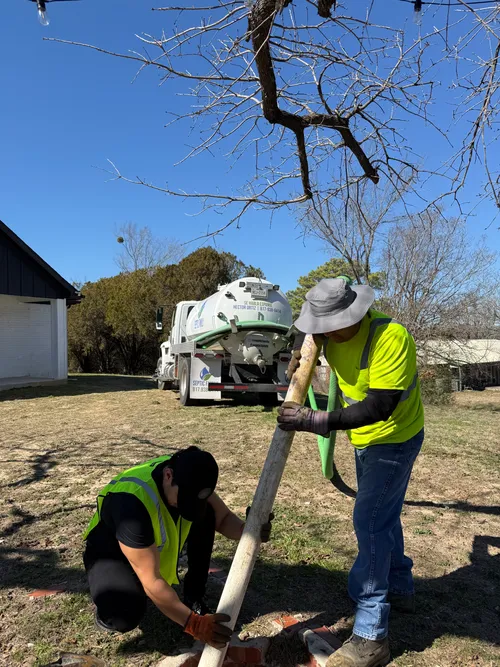
Septic Family is a septic tank pumping, cleaning, repair, and installation company serving Dallas, TX, and surrounding areas including Fort Worth and multiple nearby communities. The company specializes in both conventional and aerobic septic systems, offering maintenance contracts, installations, and repairs. With 17 years of experience, Septic Family provides bilingual services in English and Spanish and is available 24/7 for septic system needs.
Royal Flush Septic, Inc.
306 N Ash Dr STE D, Allen, TX 75002
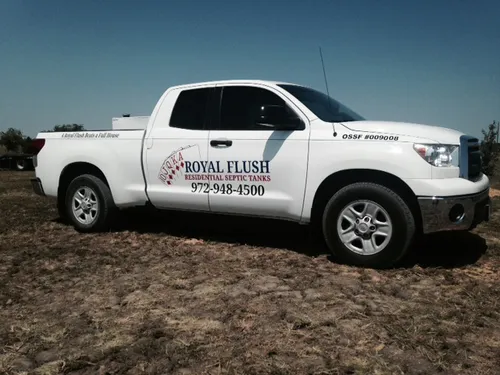
Royal Flush Septic, Inc. is a septic tank installation contractor serving Dallas, TX. Since 2001, they have provided residential and commercial septic system installations across the Dallas-Fort Worth Metroplex. Their services include on-site soil evaluations, system design tailored to client needs, and installation backed by a two-year structural guarantee. The company supports home builders and property managers with septic solutions designed for various property sizes and types.

Total Septic
3300 Maroon Creek Rd, Aubrey, TX 76227
Total Septic is a locally owned and operated company based in Dallas, TX, offering a full range of septic system services including installation, pumping, inspection, and repair. They serve multiple Texas counties such as Collin, Grayson, Denton, Rockwall, Fannin, and Hunt. The company specializes in various septic systems including traditional, aerobic, plastic/poly, and concrete tanks, ensuring each installation meets local codes and site conditions. Total Septic also provides excavation services like land clearing, grading, trenching, and demolition for residential and commercial projects. With decades of combined experience, they manage projects with modern equipment and a focus on compliance and safety.
Harrington Environmental - Septic Pumping & Grease Trap Service
3778 Burleson Retta Rd, Burleson, TX 76028
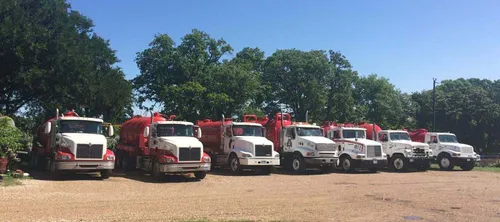
Harrington Environmental - Septic Pumping & Grease Trap Service is a full-service liquid waste company based near Dallas, TX. They provide septic tank pumping, aerobic septic system installation and repair, and commercial grease trap services. Their licensed and certified technicians handle grease and sand trap cleaning, grit trap service, lift station pumping, and maintenance of aerobic systems. Harrington Environmental serves the Dallas-Fort Worth metroplex and surrounding counties, offering expertise in both residential and commercial environmental waste management.
Integrity Septic Services
7588 FM2449, Ponder, TX 76259
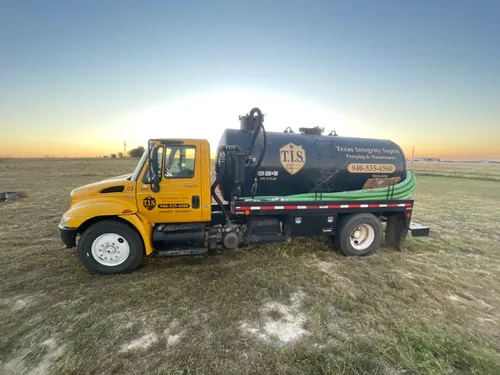
Integrity Septic Services is a family-owned and operated company providing septic system pumping, cleaning, repair, and installation services in Dallas, TX. They serve Denton, Wise, Cooke, Grayson, and Tarrant Counties, specializing in both conventional and aerobic septic systems as well as lift stations. With 17 years of experience, the company is licensed and insured, offering maintenance contracts and emergency services including 24/7 response for septic emergencies.
Understanding the Permit Process in Tarrant County
In Texas, all septic system installations, replacements, and major repairs require a permit from the local permitting authority before any work begins. For properties in Grapevine, this authority is typically the Tarrant County Public Health Department or the City of Grapevine Building Department. The permit process is designed to ensure systems are built correctly to protect public health and local groundwater, including the watershed feeding nearby Grapevine Lake.
The permitting journey follows a structured sequence:
- Site Evaluation: A licensed site evaluator must conduct soil tests (often called a perc test) to assess soil texture, depth to groundwater, and overall suitability for a drain field.
- System Design: A professional designer creates a detailed plan based on the site evaluation results, specifying the tank size, drain field layout, and system type 1.
- Application Submission: The design, site evaluation report, and permit fees (typically ranging from $400 to $900) are submitted to the permitting authority for review.
- Authorization to Construct: Once approved, you receive the permit granting permission to begin installation.
- Installation & Inspections: A licensed installer performs the work, which is subject to mandatory inspections at critical stages.
- Final Approval: A final inspection confirms full compliance with the approved plans and state regulations, resulting in system certification.
The Critical Role of Site Evaluation and Soil Testing
The foundation of a successful septic system installation is a proper site evaluation. Texas law requires this step to be performed by a licensed professional. In the Grapevine area, soils can be heavy with clay, which absorbs water slowly. The evaluator's tests determine:
- Soil Texture and Structure: How well water will percolate through the soil.
- Depth to Groundwater: Ensuring a safe separation between the drain field and the water table.
- Soil Depth and Slope: Identifying any limiting layers or excessive slopes that could cause system failure.
This evaluation directly dictates whether your property can support a conventional gravity-fed system or if it requires a more advanced aerobic treatment unit (ATU). Aerobic systems, which use oxygen to treat wastewater more thoroughly, are often necessary in areas with poor soil drainage or smaller lots 2.
Types of Septic Systems for Grapevine Properties
Choosing the right system type is a decision made alongside your site evaluator and installer. The common options include:
- Conventional Gravity System: The most common type where wastewater flows by gravity from the tank to a series of perforated pipes in a drain field (leach field). This is typically the most cost-effective option if soil conditions allow.
- Aerobic Treatment System (ATS): Uses an aerator to pump oxygen into the treatment tank, supporting bacteria that break down waste more efficiently. These systems are required for sites with poor soil or high groundwater and produce a higher quality effluent, sometimes allowing for spray irrigation 3.
- Chamber System: Uses plastic chambers instead of gravel in the drain field, which can be beneficial in areas with high groundwater as they provide more storage volume.
- Drip Irrigation System: An advanced option that uses a pump to distribute treated effluent through a network of small-diameter tubing, ideal for sloped or shallow-soil sites.
For homeowners considering a septic tank replacement, the process often involves a new site evaluation to see if regulations or soil conditions have changed, which may require upgrading to a different, more modern system type.
Mandatory Inspections During Installation
State regulations mandate specific inspections during the construction of your new septic system to ensure it is built to code 4. Two of the most critical are:
- Open Hole Inspection: This occurs after the tank is set in the ground and the drain field trenches are dug but before any components are buried. The inspector verifies the tank's placement, trench depth, and the integrity of the soil absorption area.
- Final Inspection: After all components-including the tank, pipes, distribution box, and any pumps or electrical connections-are installed, a final inspection is conducted before the system is backfilled. This ensures everything is connected correctly and functions as designed 5.
Failing an inspection can lead to costly corrections and delays, so working with a licensed and experienced installer who understands local inspection protocols is essential.
Find the perfect septic tank installation & replacement contractors for your needs
Get personalized recommendations and expert advice
Breaking Down the Costs of Installation and Replacement
The total cost for a new septic system in Grapevine can vary widely based on system type, soil conditions, property access, and local labor rates. Here is a general breakdown of what homeowners can expect:
- Conventional Gravity System: Total project costs typically range from $6,000 to $15,000+. This includes materials ($4,500-$7,500) and installation labor ($4,000-$6,000).
- Aerobic Treatment System (ATS): Due to added mechanical components and complexity, these systems are more expensive, generally costing between $10,000 and $20,000 or more. Materials range from $10,000-$16,000 with labor from $6,000-$9,000.
- Permit Fees: As noted, plan for $400 to $900 in fees paid to the local permitting authority 6 7.
- Site Evaluation & Design: The cost for the initial perc test and system design can add another $500 to $2,000 to the project upfront.
It's important to view these figures as estimates. Costs can vary significantly based on the specific challenges of your site 8. For a septic system replacement, costs may be similar to a new installation if the entire drain field must be relocated, or they could be lower if the existing drain field is still viable and only the tank needs swapping.
Key Texas and Local Regulations to Know
All septic work in Grapevine falls under the Texas Commission on Environmental Quality (TCEQ) regulations, specifically Title 30, Chapter 285 of the Texas Administrative Code (30 TAC 285). Key legal requirements include:
- Licensing: All installers, site evaluators, and designers must be licensed by the TCEQ 9 10.
- System Maintenance: Homeowners with aerobic systems are legally required to maintain a maintenance contract with a licensed provider.
- Property Transfers: In many Texas counties, a septic system inspection is required before a property can be sold. While Tarrant County may not mandate it, it is a common buyer request.
- Repairs vs. Replacement: Significant repairs that alter the system's design or location require a permit, just like a new installation 11.
Planning Your Project: Steps for Homeowners
- Verify Need: Confirm you need a new system or a full replacement. A professional inspection can determine if repair is a viable option 12.
- Research and Hire Professionals: Look for TCEQ-licensed site evaluators and installers with strong local reputations in the Grapevine area.
- Secure the Site Evaluation: This is your first official step and will guide all subsequent decisions.
- Obtain the Permit: Work with your professional to submit the complete application package to the local authority.
- Schedule the Installation: Once permitted, your installer will coordinate the work and the required inspections.
- Maintain Your System: Proper maintenance, including regular pumping and, for aerobic systems, professional servicing, is crucial for long-term functionality and is often a legal requirement 13.
Frequently asked questions
Sources
Footnotes
-
Steps to Obtain an OSSF Permit | Comal County, TX - https://www.comalcounty.gov/793/Steps-to-Obtain-an-OSSF-Permit ↩
-
How to Know if You Need a Septic System Permit - Pippin Home Designs - https://www.pippinhomedesigns.com/septic-system-permit/ ↩
-
Septic Installation San Antonio: Your 2025 Guide - https://www.vdwws.com/blog/septic-tank-installation-san-antonio-guide ↩
-
Texas Septic System Regulations - https://dillonseptic.com/texas-septic-system-regulations/ ↩
-
Installing a Septic System at Your Home: What the Process ... - https://brighteyestexas.com/installing-a-septic-system-at-your-home-what-the-process-looks-like/ ↩
-
Cost of a Septic System in Texas - https://dillonseptic.com/cost-of-a-septic-system-in-texas/ ↩
-
Average Cost to Install Septic System in Texas - https://dillonseptic.com/average-cost-to-install-septic-system-in-texas/ ↩
-
Breaking Down the Bill: What Really Determines Your Septic Installation Costs - https://www.lanikseptic.com/septic-installation-costs/ ↩
-
SEPTIC SYSTEM LAWS IN TEXAS - https://www.terseptic.com/posts/septic-systems-its-the-law ↩
-
Septic Tank Laws in Texas - https://dillonseptic.com/septic-tank-laws-in-texas/ ↩
-
Getting a Permit for an OSSF - Such as a Septic System - https://www.tceq.texas.gov/permitting/ossf/ossfpermits.html ↩
-
Septic System Repair or Replace Guide (2025) - https://www.vdwws.com/blog/traditional-septic-systems-when-to-repair-or-replace ↩
-
What laws in Texas apply to septic systems? - Water School - https://brazos.org/about-us/education/water-school/articleid/349/what-laws-in-texas-apply-to-septic-systems ↩