
Find the Best Septic Tank Installation & Replacement Contractors for Your Business
No obligation • Fast responses • Nationwide coverage

Why you can trust Septic Spot
Septic Spot is a leading United States resource for understanding and comparing septic services. Our editors review providers using consistent criteria and verify key business details. Listings and scores are independent, and companies cannot pay to influence our content.
Search providers near you
Top Septic Tank Installation & Replacement Contractors in Killeen, Texas Ranked
Installing or replacing a septic system is a significant home improvement project that ensures safe, long-term wastewater management for properties not connected to a municipal sewer line. In Killeen, this process is governed by specific state and county regulations to protect public health and groundwater. This guide explains the key steps, costs, and local requirements for septic system installation and replacement, helping you understand what to expect and how to connect with qualified local professionals for your project.
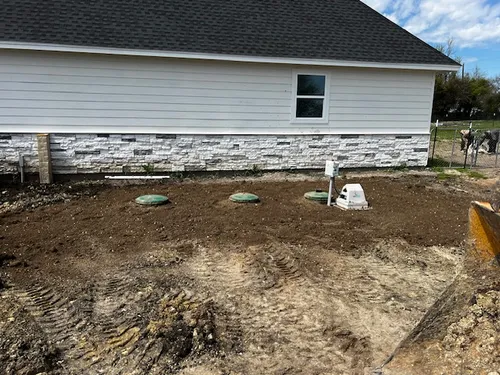
Understanding Septic System Basics
A septic system, or On-Site Sewage Facility (OSSF) as it's formally known in Texas, is a self-contained wastewater treatment system. It typically consists of a septic tank and a soil absorption field, often called a drain field or leach field. The tank separates solids from liquids, allowing partially treated effluent to flow into the drain field, where the soil provides final treatment. Proper installation is critical for system longevity and environmental safety, especially given the varied soil conditions found in the Killeen area.
The Permit Process in Bell County
Before any digging begins, you must secure the proper permits. In Killeen, the Bell County Public Health District is the local authority that manages permits for septic system installation, changes, or repairs, under the guidelines of the Texas Commission on Environmental Quality (TCEQ).
Key Permit Requirements:
- Mandatory Approval: A permit is required for installing, altering, or repairing any OSSF 1.
- Professional Design: A site evaluation and system design must be completed by a TCEQ-registered sanitarian or a licensed professional engineer before a permit is issued 2.
- Rare Exemptions: The only common exemption is for systems on tracts of land larger than 10 acres that do not create a nuisance or pollute groundwater 3 4. Most residential projects in Killeen will require a permit.
Navigating this process is a primary reason to work with an experienced installer, as they will handle the permit application and ensure the design meets all regulatory standards.
Step 1: Site Evaluation and Soil Testing
The foundation of a successful septic system installation is understanding the property's soil. A certified site evaluator will conduct tests to determine the soil's absorption rate, which dictates the size and type of system needed.
- Percolation Test: This test measures how quickly water drains through the soil. Slow-draining clay soils (common in parts of Central Texas) require a larger drain field or a different system type than fast-draining sandy soils.
- Purpose and Cost: The test ensures the designed system can handle the home's wastewater load without failing. This service typically costs between $350 and $500 or more, depending on the number of test holes and soil complexity 5.
Step 2: System Design and Selection
Based on the soil evaluation, a professional will design an appropriate system. The two most common types in this region are:
- Conventional Gravity System: The most basic type, relying on gravity to move effluent from the tank to a subsurface drain field. It's often the most cost-effective where soil conditions allow.
- Aerobic Treatment Unit (ATU): An aerobic system uses oxygen to break down waste more efficiently. These systems are frequently required or recommended in areas with poor soil percolation, such as high-clay sites, and they produce a higher quality of treated effluent, sometimes discharged via a spray field.
Your installer will recommend the best system for your property's specific conditions and the local health district's requirements.
Find the perfect septic tank installation & replacement contractors for your needs
Get personalized recommendations and expert advice
Step 3: The Installation Timeline
A full septic system installation is a multi-stage process that can take several weeks from permit to completion.
- Site Planning & Permit Acquisition: The approved design is submitted to the Bell County Public Health District for a permit.
- Excavation & Tank Placement: The area is excavated, and the septic tank (concrete or plastic) is set and carefully leveled.
- Installing Components & Drain Field: The distribution box, piping, and the entire drain field (trenches or a bed) are constructed. For aerobic systems, electrical components and spray heads are installed.
- Critical Inspection: Before the tank and drain field are backfilled with soil, a local health authority inspector must visit the site to approve the workmanship and ensure it matches the permitted design 6. This inspection is mandatory.
- Final Approval & Backfill: Once the inspector approves, the system can be covered, and the site can be restored. The authority then grants a final authorization to operate the system 7 8.
Cost Breakdown for Installation and Replacement
The total cost for a new septic system in Killeen varies significantly based on soil, system type, and site complexity. Here is a general breakdown of potential costs:
- Permit & Design Fees: $400 - $900
- Conventional System (Materials & Labor): $8,500 - $13,500+
- Aerobic Treatment System: $16,000 - $25,000+
Total project costs often range from $10,000 to over $25,000. Aerobic systems are more expensive due to their mechanical components and increased treatment capability, but they may be necessary for many local properties 9 10 11. Replacing an existing system often involves similar costs and the same permit process, especially if the drain field is being relocated or upgraded.
Maintaining Your New System
After installation, proper maintenance is non-negotiable. For conventional systems, this means regular pumping of the tank every 3-5 years. Aerobic systems have more frequent maintenance requirements, including quarterly or semi-annual inspections of mechanical parts, aerators, and spray heads. Adhering to a maintenance schedule is the best way to protect your investment and avoid premature system failure.
Frequently asked questions
Sources
Disclaimer: Regulations and prices may change. Always check with local authorities for the most up-to-date information.
Footnotes
-
Basics for Septic Systems - https://www.tceq.texas.gov/assistance/water/fyiossfs.html ↩
-
SEPTIC SYSTEM LAWS IN TEXAS - https://www.terseptic.com/posts/septic-systems-its-the-law ↩
-
South Texas Wastewater - https://stwastewater.com/permits.shtml ↩
-
Septic System Permits - http://ecswastewater.com/permits.html ↩
-
Percolation Tests | Vassallo & Salazar, P.C. | Dallas, Texas - https://www.vslawyers.com/real-estate-newsletters/percolation-tests/ ↩
-
Getting a Permit for an OSSF - Such as a Septic System - https://www.tceq.texas.gov/permitting/ossf/ossfpermits.html ↩
-
Septic System Install Timeline | RCI Septic Service - https://www.rciseptic.com/complete-step-by-step-timeline-septic-system-installation-from-permit-to-finish ↩
-
Installing a Septic System at Your Home: What the Process ... - https://brighteyestexas.com/installing-a-septic-system-at-your-home-what-the-process-looks-like/ ↩
-
Average Cost to Install Septic System in Texas - https://dillonseptic.com/average-cost-to-install-septic-system-in-texas/ ↩
-
Complete Septic System Installation: Process, Permits, And ... - https://www.theseptictankman.com/blog/complete-septic-system-installation-process-permits-and-pitfalls ↩
-
What laws in Texas apply to septic systems? - Water School - https://brazos.org/about-us/education/water-school/articleid/349/what-laws-in-texas-apply-to-septic-systems ↩