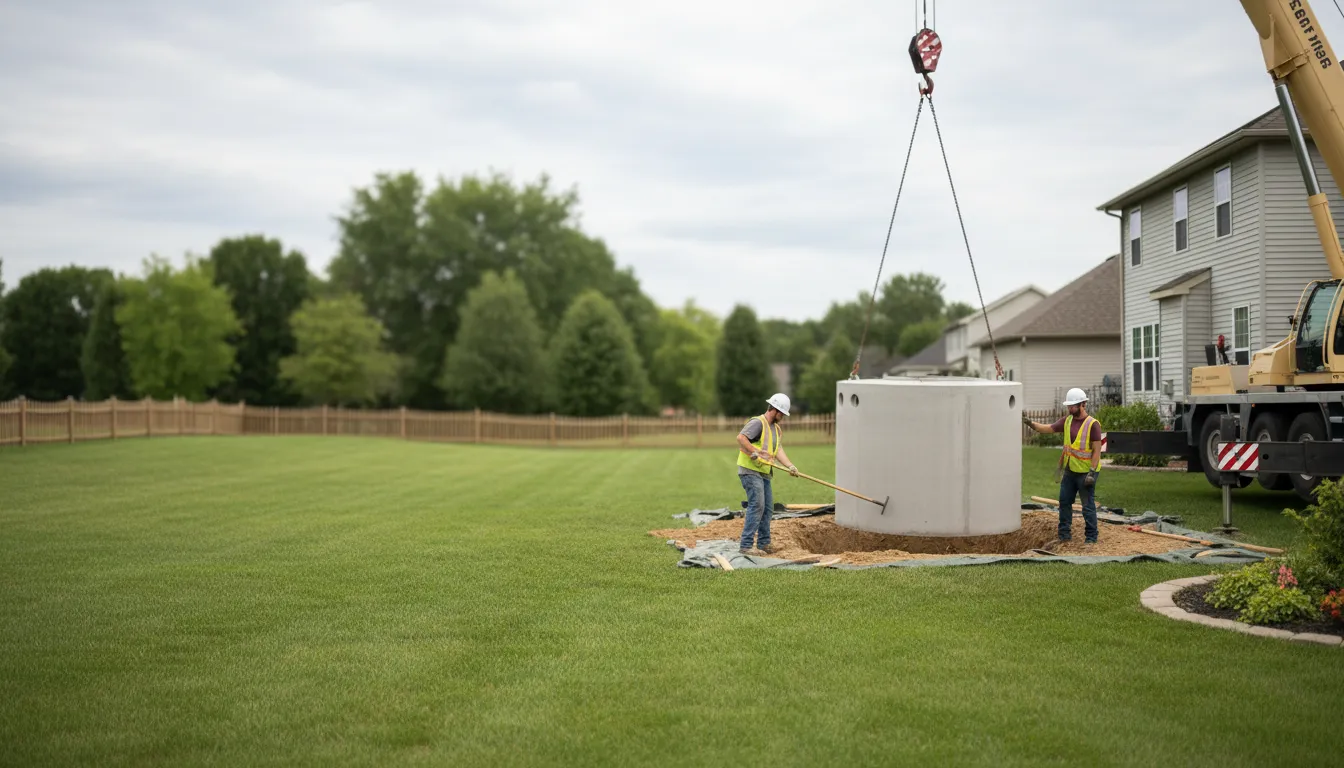
Find the Best Septic Tank Installation & Replacement Contractors for Your Business
No obligation • Fast responses • Nationwide coverage

Why you can trust Septic Spot
Septic Spot is a leading United States resource for understanding and comparing septic services. Our editors review providers using consistent criteria and verify key business details. Listings and scores are independent, and companies cannot pay to influence our content.
Search providers near you
Top Septic Tank Installation & Replacement Contractors in Lewisville, Texas Ranked
Installing or replacing a septic system is a significant investment in your property's long-term functionality and environmental health. In Lewisville, this process is governed by specific state and local regulations to protect groundwater and ensure system reliability. Whether you're building a new home, replacing a failing system, or upgrading an existing one, understanding the steps, costs, and requirements is crucial. This guide provides a clear overview of the septic system installation process in Lewisville, helping you navigate permits, site evaluations, and contractor selection with confidence.
Septic family
545 Harrold St apt 7001, Fort Worth, TX 76107
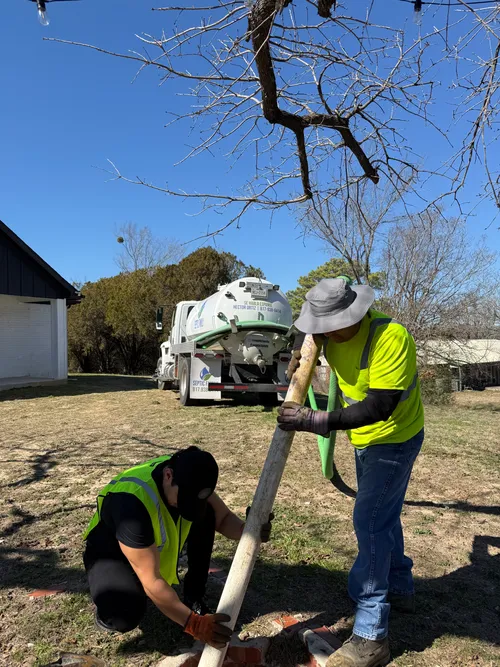
Septic Family is a septic tank pumping, cleaning, repair, and installation company serving Dallas, TX, and surrounding areas including Fort Worth and multiple nearby communities. The company specializes in both conventional and aerobic septic systems, offering maintenance contracts, installations, and repairs. With 17 years of experience, Septic Family provides bilingual services in English and Spanish and is available 24/7 for septic system needs.
Royal Flush Septic, Inc.
306 N Ash Dr STE D, Allen, TX 75002
Royal Flush Septic, Inc. is a septic tank installation contractor serving Dallas, TX. Since 2001, they have provided residential and commercial septic system installations across the Dallas-Fort Worth Metroplex. Their services include on-site soil evaluations, system design tailored to client needs, and installation backed by a two-year structural guarantee. The company supports home builders and property managers with septic solutions designed for various property sizes and types.
Year Round Septic
Dallas, TX
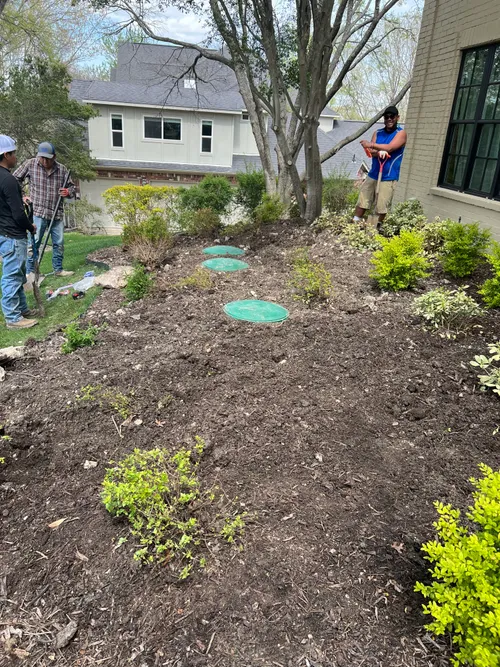
Year Round Septic is a septic service provider based in Dallas, TX. They specialize in septic tank installation for new construction and replacement projects, septic tank repair, and comprehensive septic tank inspections. The company offers 24/7 emergency services to address urgent septic system issues promptly. They also facilitate regular septic tank pumping for both residential and commercial properties to maintain system functionality and prevent problems.
Total Septic
3300 Maroon Creek Rd, Aubrey, TX 76227
Total Septic is a locally owned and operated company based in Dallas, TX, offering a full range of septic system services including installation, pumping, inspection, and repair. They serve multiple Texas counties such as Collin, Grayson, Denton, Rockwall, Fannin, and Hunt. The company specializes in various septic systems including traditional, aerobic, plastic/poly, and concrete tanks, ensuring each installation meets local codes and site conditions. Total Septic also provides excavation services like land clearing, grading, trenching, and demolition for residential and commercial projects. With decades of combined experience, they manage projects with modern equipment and a focus on compliance and safety.
Bright Star Excavating & Septic
McKinney, TX
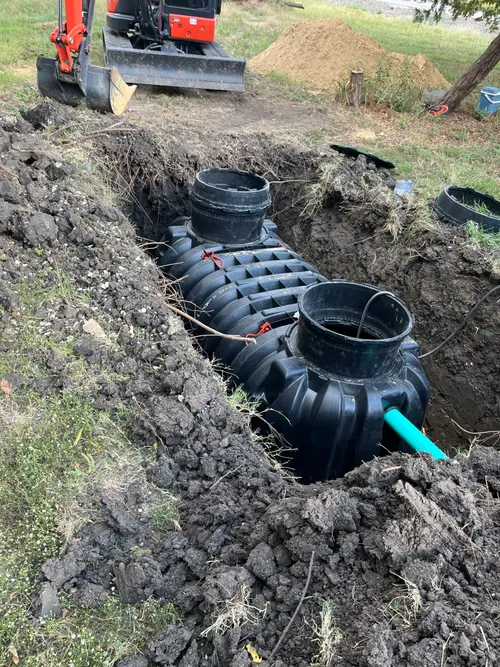
Bright Star Excavating & Septic is a locally owned and operated company based in McKinney, TX, specializing in septic system installation, replacement, and repairs. They serve Collin County and surrounding areas, offering tailored septic solutions that comply with local regulations. Their services include designing and installing septic systems suited to specific property needs, as well as replacing old or damaged systems to improve efficiency. With years of experience, the team uses modern tools and technology to ensure quality workmanship and comprehensive project management from assessment to installation.
Understanding Septic System Basics
A septic system, or On-Site Sewage Facility (OSSF), is a private wastewater treatment system for properties not connected to a municipal sewer line. It typically consists of a septic tank, where solids settle and begin to decompose, and a drain field (or leach field), where the treated liquid effluent is dispersed into the soil for final purification. In Lewisville and across Texas, these systems are a common solution for rural and some suburban homes. Proper design and installation are non-negotiable, as a failure can lead to costly repairs, property damage, and environmental contamination.
The Legal Framework: Permits and Regulations in Texas
Before a single shovel hits the ground, you must secure the proper permits. In Texas, septic system work is regulated by the Texas Commission on Environmental Quality (TCEQ), often in coordination with local authorities like Denton County Environmental Health. A permit is legally required for any new installation, alteration, repair, or extension of an OSSF 1.
The permit application process is designed to ensure the system is safe and suitable for your specific property. You cannot proceed without approval. The application typically requires a site evaluation and a design plan created by a licensed professional, such as a professional engineer or a licensed site evaluator 2. This plan is then submitted to the permitting authority for review. Attempting to install a system without a permit can result in fines, orders to remove the system, and difficulties when selling your home.
Step 1: The Critical Site Evaluation
The first technical step in planning a septic system installation is a thorough site evaluation. This is not a mere formality; it determines the very feasibility and type of system your property can support. A licensed evaluator will assess several key factors:
- Soil Composition: The texture and structure of your soil (e.g., clay, sand, loam) directly impact its ability to absorb and treat wastewater.
- Percolation Test: Often called a "perc" test, this measures the soil's water absorption rate. Slow-draining clay soils, which are common in parts of Texas, may require more advanced (and expensive) treatment systems 3.
- Groundwater Depth: The system must be installed at a safe distance above the seasonal high water table to prevent contamination.
- Slope and Topography: The land's slope affects drainage and the placement of the drain field.
- Setback Distances: Regulations mandate minimum distances from property lines, wells, water bodies, and buildings.
The results of this evaluation dictate the system's design, size, and technology.
Step 2: System Design and Sizing
Using data from the site evaluation, a professional designs a system that complies with TCEQ rules. The design is based on two primary factors: the soil's absorption capacity and the projected wastewater flow, which is typically calculated by the number of bedrooms in the home.
A standard conventional septic system includes a tank and a subsurface drain field. However, if your soil fails the perc test or space is limited, you may need an aerobic treatment unit (ATU). These advanced systems use oxygen to break down waste more efficiently and produce a higher quality of effluent, which can be dispersed using spray irrigation. Aerobic systems are more complex and come with higher upfront costs and ongoing maintenance requirements, including mandatory inspections every four months 4 5.
Step 3: Choosing a Licensed Installer
In Texas, only TCEQ-licensed installers are authorized to install septic systems, unless you are a homeowner installing a system on your own single-family residence. Even in a DIY scenario, you must still obtain a permit and have the work inspected 6 7. For most homeowners, hiring a licensed professional is strongly recommended.
A qualified installer will:
- Pull the necessary permits on your behalf.
- Follow the approved design plan precisely.
- Schedule and coordinate all required inspections.
- Use approved materials and construction methods.
When comparing local Lewisville-area installers like Dillon Septic, ask for proof of licensing, references, detailed written estimates, and warranties on both labor and materials.
Find the perfect septic tank installation & replacement contractors for your needs
Get personalized recommendations and expert advice
Step 4: The Installation and Inspection Process
Once permits are secured and an installer is hired, the physical installation begins. This process is closely monitored through mandatory inspections at critical stages 8:
- Pre-Installation Inspection: The inspector may review the staked-out site plan before digging begins.
- Tank and Trench Inspection: After the hole is excavated and the tank is set, but before it is connected or backfilled, an inspection ensures the tank is level and properly positioned.
- Final Inspection ("Closing"): This is the most important inspection. After all components (tank, distribution box, drain field lines) are installed but before the tank is covered with soil, the inspector verifies everything meets code. The system cannot be buried until it passes this inspection 9.
Failing an inspection means work must stop and corrections must be made, leading to delays and potential extra costs. A reputable installer manages this process smoothly.
Understanding Costs in Lewisville
The total cost for a new septic system in the Lewisville area can vary widely based on system type, soil conditions, and property specifics. Here's a general breakdown based on available data:
- Permit Fees: These typically range from $300 to $1,200, paid to the local or state permitting authority.
- System Components: The septic tank itself is a major cost. A standard 1,000-gallon concrete tank (sufficient for a 2-3 bedroom home) can cost between $1,800 and $3,200 for the tank alone 10.
- Total Installation Cost: For a standard conventional system, total costs (including tank, drain field, labor, and permits) often fall between $6,000 and $15,000 11 12. For properties with poor soil requiring an advanced aerobic treatment system, costs can easily exceed $20,000 11 13.
These are estimates. The only way to get an accurate price is to have a site evaluation and obtain quotes from multiple licensed installers for your specific project.
When is Replacement Necessary?
Septic systems don't last forever. A well-maintained system might last 25-40 years, but signs of failure necessitate replacement. Watch for:
- Sewage backups in household drains.
- Slow-draining toilets and sinks.
- Foul odors around the tank or drain field.
- Soggy, bright green grass over the drain field area.
- Failing a mandatory inspection during a property transfer.
Replacement follows the same permit and installation process as a new installation. In some cases, a "repair" may be possible, but if the drain field has failed, a full replacement is usually required.
Maintaining Your New Investment
After your new system is installed, proper maintenance is key to longevity. This includes:
- Regular Pumping: Have the tank pumped every 3-5 years by a licensed pumper.
- Water Conservation: Reducing water flow extends the system's life.
- Mindful Flushing: Only human waste and toilet paper should go down the drain.
- Inspection Compliance: If you have an aerobic system, adhere to the mandatory 4-month inspection schedule.
- Protecting the Drain Field: Never drive or build over it.
A well-maintained system protects your property value and the local environment.
Frequently asked questions
Sources
Footnotes
-
How to Know if You Need a Septic System Permit - Pippin Home Designs - https://www.pippinhomedesigns.com/septic-system-permit/ ↩
-
Design - & - Installation - in - Central - Texas - EPIC™ Septic - https://epicseptic.com/the-ultimate-guide-to-septic-system-design-installation-in-central-texas-what-every-homeowner-builder-needs-to-know/ ↩
-
Septic Tank Laws in Texas - https://dillonseptic.com/septic-tank-laws-in-texas/ ↩
-
Installing a Septic System at Your Home: What the Process ... - https://brighteyestexas.com/installing-a-septic-system-at-your-home-what-the-process-looks-like/ ↩
-
Navigating the Burleson Septic Permit Processes: Essential Steps for a Smooth Experience - https://www.texwaywastewater.com/navigating-the-burleson-septic-permit-processes-essential-steps-for-a-smooth-experience/ ↩
-
Getting a Permit for an OSSF - Such as a Septic System - https://www.tceq.texas.gov/permitting/ossf/ossfpermits.html ↩
-
Basics for Septic Systems - https://www.tceq.texas.gov/assistance/water/fyiossfs.html ↩
-
Advice for an Owner of an On-Site Sewage Facility (Septic System) - https://www.tceq.texas.gov/permitting/ossf/ossfadvice.html ↩
-
Texas Septic Tank Rules - https://dillonseptic.com/texas-septic-tank-rules/ ↩
-
Texas Septic Tank Requirements - Hunker - https://www.hunker.com/12000126/texas-septic-tank-requirements/ ↩
-
Texas Septic System Regulations - https://dillonseptic.com/texas-septic-system-regulations/ ↩ ↩2
-
Cost of a Septic System in Texas - https://dillonseptic.com/cost-of-a-septic-system-in-texas/ ↩
-
Cost to Install a Septic System in Dallas [2026 Data] - Angie's List - https://www.angi.com/articles/what-does-it-cost-install-septic-system/tx/dallas ↩