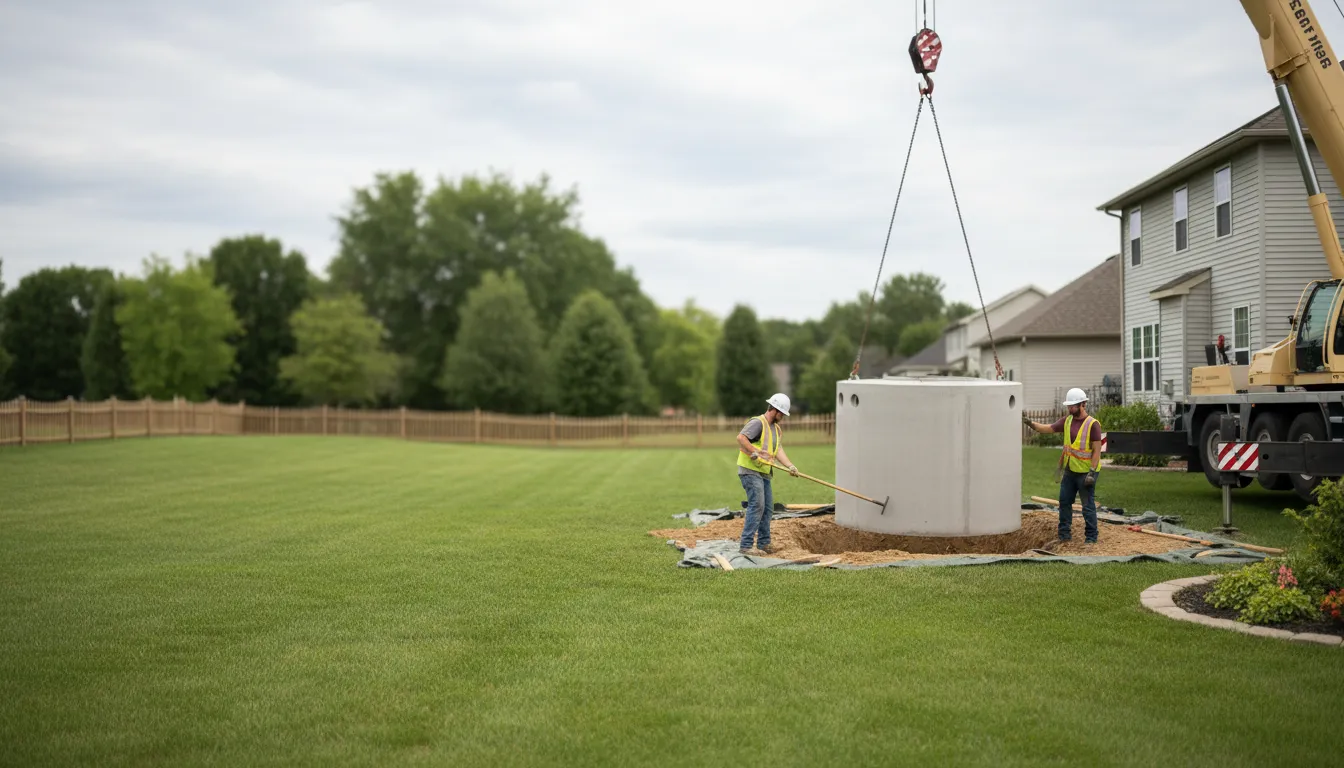
Find the Best Septic Tank Installation & Replacement Contractors for Your Business
No obligation • Fast responses • Nationwide coverage

Why you can trust Septic Spot
Septic Spot is a leading United States resource for understanding and comparing septic services. Our editors review providers using consistent criteria and verify key business details. Listings and scores are independent, and companies cannot pay to influence our content.
Search providers near you
Top Septic Tank Installation & Replacement Contractors in Pharr, Texas Ranked
Installing or replacing a septic system is a significant investment in your property's long-term functionality and environmental health. For homeowners in Pharr, this process involves navigating specific local regulations, obtaining permits, and working with licensed professionals to ensure a system that is safe, efficient, and compliant. This guide explains the essential steps, from initial soil testing to final inspection, to help you understand what's involved in securing a new or replacement on-site sewage facility (OSSF) for your home.
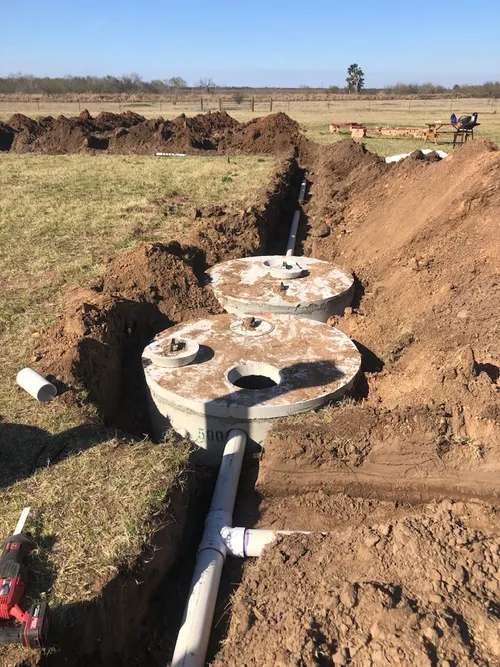
Understanding Septic System Basics in the Rio Grande Valley
A septic system, or on-site sewage facility (OSSF), is a self-contained wastewater treatment system for properties not connected to a municipal sewer line. In Pharr and throughout Hidalgo County, these systems are crucial for protecting local groundwater and public health. The process begins with understanding that not all properties are suitable for a standard system; the soil type, lot size, and water table depth are primary determining factors. A properly designed and installed system will treat household wastewater effectively for decades, while a failing one can pose serious health risks and environmental contamination.
The Pharr and Hidalgo County Permitting Process
Before any digging begins, you must secure the proper permits. In Pharr, septic system permits are typically handled through Hidalgo County's authorized agent, which administers the Texas Commission on Environmental Quality (TCEQ) regulations locally. A permit is legally required for constructing, altering, repairing, or extending any OSSF. The permitting process is designed to ensure the system is designed correctly for your specific property conditions, protecting both you and the community.
The key steps in the permitting phase include:
- Hiring a Licensed Site Evaluator: This is your first and most critical step. A licensed evaluator will visit your property to conduct a thorough analysis.
- Submitting a System Design: A licensed designer uses the site evaluation data to create a detailed plan for your septic system.
- Application Submission: Your installer or designer will submit the design, the permit application, and the required fees to the county authority.
- Receiving Approval: Only after the permit is approved can physical installation work legally commence.
The Critical Role of Soil Evaluation and Percolation Testing
The cornerstone of any successful septic system installation is the site evaluation, which includes a percolation (or "perc") test. A licensed site evaluator will dig test pits and conduct measurements to determine the soil's absorption rate, texture, and structure 1 2. In the Pharr area, common soil challenges include high clay content, which drains poorly, and a high water table, especially in certain seasons.
The results of this evaluation dictate everything:
- System Type: It determines whether a conventional gravity-fed system, an aerobic treatment unit (ATU), or a more advanced alternative system is required.
- Drain Field Size: The absorption rate calculates the necessary size of the leach field.
- System Placement: It identifies suitable locations on your lot, considering setbacks from wells, property lines, and buildings.
Skipping or failing this step can lead to a system design that is doomed to fail, resulting in wastewater backing up into your home or surfacing in your yard.
Choosing the Right System: Conventional vs. Aerobic
Based on the soil evaluation, your designer will recommend a system type. In Texas, common systems include:
- Conventional Septic Systems: These are typically the most cost-effective option but require suitable soil with good percolation. They use a septic tank for settling and a drain field for soil absorption.
- Aerobic Treatment Systems (ATS): These are often necessary in areas with poor soil drainage, like heavy clay. They use an oxygen-rich chamber to break down waste more efficiently, producing a higher quality effluent that is dispersed via a spray field. They require more maintenance and electricity to run.
- Alternative Systems: For sites with severe limitations, other engineered solutions like mound systems or drip irrigation may be proposed.
Your installer should explain the pros, cons, and long-term maintenance requirements of the system type recommended for your property.
Find the perfect septic tank installation & replacement contractors for your needs
Get personalized recommendations and expert advice
Working with Licensed Installers and Designers
Texas law requires that septic system design and installation be performed by licensed professionals 3 4. When searching for a septic contractor in Pharr, always verify their TCEQ license status. A qualified installer will:
- Pull all necessary permits on your behalf.
- Follow the approved design plan exactly.
- Use quality materials that meet or exceed code requirements.
- Schedule and coordinate all required inspections during construction.
- Provide you with "as-built" drawings and a manual for system operation and maintenance upon completion.
Choosing an experienced, local installer familiar with Hidalgo County's specific processes and soil conditions is invaluable.
Understanding Installation Costs in Pharr
The cost for a new septic system installation or a full system replacement in Pharr can vary widely based on system type, soil conditions, and property specifics. For a standard conventional system, homeowners can expect a range starting around $6,000 to $15,000 or more 5 6. More complex systems, like aerobic treatment units or those required for difficult sites, will be at the higher end of the spectrum or exceed it.
This investment typically covers:
- Site evaluation and percolation testing fees.
- System design and engineering.
- Permit application fees.
- Excavation, equipment, and all materials (tank, piping, drain field media).
- Labor for installation.
- Final inspection and certification.
While price is a factor, the lowest bid may not account for proper permitting or long-term reliability. Consider the value of a correctly installed, permitted system that will function trouble-free for years.
The Installation Timeline and Final Inspection
Once the permit is in hand, the physical installation can begin. The timeline varies but often takes one to two weeks from excavation to backfilling, depending on weather and system complexity. Key stages include excavating the tank and drain field, setting the tank, installing the distribution network, and building the leach field.
Throughout construction, the county inspector will visit at critical stages-such as after the tank is set and before the drain field is covered-to ensure compliance with the approved plan 7. After the system is fully installed and the inspector conducts a final review, you will receive documentation that the system is approved for use. This final sign-off is essential for your property records and any future real estate transactions.
Maintaining Your New Septic System
Your responsibility begins once the installers leave. Proper maintenance is non-negotiable for the lifespan of your system. For a conventional system, this means pumping the tank every 3-5 years, conserving water, and avoiding flushing harmful chemicals or materials. Aerobic systems have more frequent maintenance requirements, including quarterly or semi-annual servicing of mechanical components and aerators. Your installer should provide a clear maintenance schedule. Keeping detailed records of all pumping and service is highly recommended.
Frequently asked questions
Sources
Footnotes
-
Septic System Installation | Permit Requirements Guide - https://www.vdwws.com/blog/permits-are-required-for-septic-system-installation ↩
-
Texas Septic System Regulations - https://dillonseptic.com/texas-septic-system-regulations/ ↩
-
Basics for Septic Systems - https://www.tceq.texas.gov/assistance/water/fyiossfs.html ↩
-
Septic Tank Laws in Texas - https://dillonseptic.com/septic-tank-laws-in-texas/ ↩
-
Cost of a Septic System in Texas - https://dillonseptic.com/cost-of-a-septic-system-in-texas/ ↩
-
Average Cost to Install Septic System in Texas - https://dillonseptic.com/average-cost-to-install-septic-system-in-texas/ ↩
-
Getting a Permit for an OSSF - Such as a Septic System - https://www.tceq.texas.gov/permitting/ossf/ossfpermits.html ↩