
Find the Best Septic Tank Installation & Replacement Contractors for Your Business
No obligation • Fast responses • Nationwide coverage

Why you can trust Septic Spot
Septic Spot is a leading United States resource for understanding and comparing septic services. Our editors review providers using consistent criteria and verify key business details. Listings and scores are independent, and companies cannot pay to influence our content.
Search providers near you
Top Septic Tank Installation & Replacement Contractors in San Marcos, Texas Ranked
Installing or replacing a septic system in Texas is a significant project governed by strict state and local regulations. A properly designed and permitted On-Site Sewage Facility (OSSF) is essential for protecting your property, your health, and the local groundwater. This guide outlines the key steps, costs, and regulatory requirements to help you navigate the process and connect with qualified local professionals for your project.
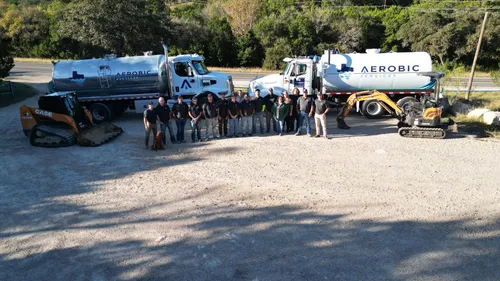
Aerobic Services
15188 FM306, Canyon Lake, TX 78133
Aerobic Services is a septic tank pumping and installation company serving San Antonio, TX, and the surrounding Central Texas area. They offer residential and commercial septic system services including installation, maintenance, and pumping to ensure proper wastewater management. Established in 1999, Aerobic Services has over 20 years of experience in the wastewater industry and is recognized as one of the larger wastewater companies in Texas.
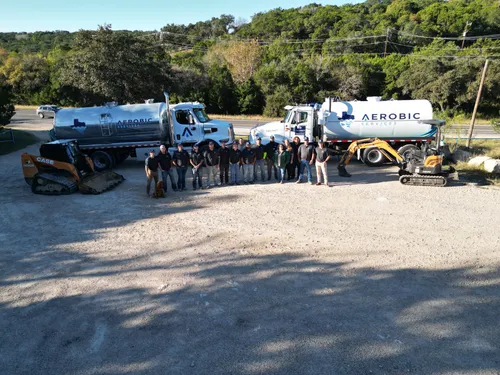
Aerobic Services
13341 W US Hwy, 290 Service Rd Bldg2 #B17, Austin, TX 78737
Aerobic Services is a septic tank pumping and installation company based in Austin, TX. Serving New Braunfels and the surrounding areas, they provide residential and commercial septic system services including installation, maintenance, and pumping. With over 20 years of experience since 1999, Aerobic Services has established itself as a significant wastewater service provider in Central Texas.
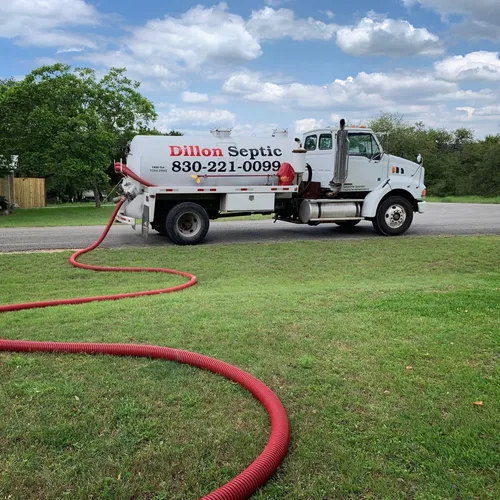
Dillon Septic
136 Sycamore Cir, Spring Branch, TX 78070
Dillon Septic offers a full range of septic services including pumping, inspections, repairs, and new installations for residential and commercial properties in San Antonio, TX. The company has years of experience and a skilled team that handles all aspects of septic system care, ensuring efficient and reliable operation. Dillon Septic is licensed and trained to provide maintenance, emergency repairs, and complete system installations with a focus on clear communication and tailored solutions.

DryNow Restoration & Plumbing
136 Sycamore Cir, Spring Branch, TX 78070
DryNow Restoration & Plumbing provides septic system services in San Antonio, TX, covering residential and commercial properties. The company offers a full range of septic solutions including pumping, inspections, repairs, and new installations. Their team is experienced in maintaining and restoring septic systems to ensure proper function and safety. DryNow Restoration & Plumbing emphasizes personalized service and clear communication to address each customer's specific needs.

Hines Septic Of San Marcos
Austin, TX
Hines Septic Of San Marcos is a family-owned septic service provider operating in Austin, TX, as well as San Marcos and San Antonio. They offer septic tank pumping, inspection, installation, repair, and drain field repair or replacement. The company is fully licensed and insured, ensuring all work meets code requirements. They provide a one-year labor warranty on new septic tank and drain field installations. Hines Septic also offers 24/7 emergency septic services to support urgent needs in the area.
Understanding Texas Septic System Regulations
In Texas, all septic systems are formally regulated as On-Site Sewage Facilities (OSSFs) by the Texas Commission on Environmental Quality (TCEQ). The TCEQ sets the statewide standards, but the permitting and inspection process is typically administered by a local "Authorized Agent," which is usually your county health department or a designated local government office 1. This means the specific rules, fees, and timelines can vary from one county to another.
A fundamental rule is that you must obtain a permit before beginning any new installation, replacement, or major alteration of a septic system. Attempting to install a system without a permit can result in fines, orders to remove the system, and difficulties when selling your property. The process is designed to ensure the system is safe, effective, and sized correctly for your home and property conditions.
The Step-by-Step Installation Process
1. Site Evaluation and Soil Testing
The first technical step is a professional site evaluation conducted by a licensed site evaluator or a licensed installer. This critical assessment determines what type of system your land can support. The evaluator will analyze:
- Soil Type and Percolation Rate: This tests how quickly water drains through the soil, which directly impacts the size and type of drainage field required.
- Groundwater Depth: Systems must have a specified vertical separation from the seasonal high water table.
- Slope and Topography: The land's slope affects system design and placement.
- Available Space: Adequate area must be available for both the tank and the drain field while maintaining required setbacks.
This evaluation generates the data needed for the system design and permit application.
2. System Design and Permit Application
Using the site evaluation data, a licensed designer or installer will create a system design plan that complies with TCEQ Chapter 285 rules 2. This plan will specify the tank size, the type of treatment system, and the layout of the drain field.
You or your installer will then submit this design, along with the permit application and fee, to your local Authorized Agent (e.g., county health department). They will review the plans for compliance with all state and local regulations before issuing the construction permit 3.
3. Professional Installation
Texas law requires that OSSF installation, repair, and alteration be performed by a licensed installer 4. Once the permit is in hand, the licensed professional will excavate, place the septic tank (typically concrete, plastic, or fiberglass), and construct the approved drain field. Proper installation is crucial for long-term performance and includes ensuring all components are level, connections are watertight, and the system is protected from surface water runoff.
4. Inspections and Final Approval
The installation process involves mandatory inspections by the local permitting authority. Key inspection points usually include:
- Pre-cover Inspection: After the tank and drainage components are placed but before they are backfilled with soil. This allows the inspector to verify proper construction and placement 5.
- Final Inspection: Once the installation is complete and the site is restored.
Only after passing the final inspection will you receive approval to operate the system. You should receive a copy of the "As-Built" diagram showing the exact location of all system components for your records 6.
Find the perfect septic tank installation & replacement contractors for your needs
Get personalized recommendations and expert advice
Determining Septic Tank Size and System Type
Tank Sizing Rules
Septic tank capacity in Texas is primarily determined by the number of bedrooms in the home, as this is a proxy for daily wastewater flow. The state mandates minimum sizes:
- 1-2 Bedrooms: Minimum 750-gallon tank.
- 3 Bedrooms: Minimum 1,000-gallon tank.
- 4 Bedrooms: Minimum 1,250-gallon tank.
- 5+ Bedrooms: Size increases accordingly, often by 250 gallons per additional bedroom.
Some counties may use home square footage as an alternative sizing method. It's always best to size conservatively; a larger tank provides more settling time for solids and can extend the time between necessary pumpings 7 8.
Common System Types for Texas Soil
The results of your soil test will dictate which system type is suitable for your property:
- Conventional Gravity System: The most basic and least expensive type, used in soils with good percolation. It consists of a septic tank and a subsurface gravel drain field.
- Aerobic Treatment Unit (ATU): An electrically powered system that injects oxygen into the wastewater, allowing for more aggressive treatment. ATUs are often required in areas with poor soil drainage, high groundwater, or smaller lots. They produce a higher quality effluent and may have spray irrigation for dispersal.
- Low-Pressure Dosing (LPD) System: Uses a pump chamber to dose the drain field evenly, allowing for better distribution and resting periods. Suitable for sites with marginal soils or slight slopes.
- Mound System: An above-ground drain field built with imported sand. This is a solution for sites with shallow soil depth to bedrock or a high water table.
Cost Breakdown for Installation and Replacement
The total cost for a new septic system in Texas is highly variable, depending on system type, tank size, soil conditions, and local labor rates. Here is a general cost range based on available data:
- Conventional System: $3,000 - $8,000+ 9
- Aerobic System (ATU): $10,000 - $20,000+ 10 11
- Mound or Advanced System: Can exceed $20,000+ for complex sites.
Replacement costs are generally similar to new installation but can be higher if the old tank requires complex removal or if the existing drain field area is compromised.
Additional costs to budget for include:
- Permit Fees: Typically $300 - $1,200, depending on the county 12 13.
- Site Evaluation & Soil Testing: $500 - $1,500.
- Annual Maintenance (for Aerobic Systems): Contractual maintenance is required for ATUs and can cost several hundred dollars per year 14.
Key Setback Requirements and Property Considerations
State and local regulations specify minimum distances that septic system components must be from various features on your property. While you must verify exact requirements with your local authority, common Texas setbacks include:
- Property Lines: 5 to 10 feet.
- Water Wells: 50 to 100 feet (can be more).
- Building Foundations: 5 to 10 feet.
- Surface Water (Lakes, Streams): 25 to 100 feet.
- Drainage Easements or Creeks: Varies significantly.
These setbacks are non-negotiable for permit approval. A proper site evaluation will identify if your property has the requisite space while meeting all setbacks.
Frequently asked questions
Sources
Footnotes
-
Basics for Septic Systems - https://www.tceq.texas.gov/assistance/water/fyiossfs.html ↩
-
Getting a Permit for an OSSF - Such as a Septic System - Texas Commission on Environmental Quality - https://www.tceq.texas.gov/permitting/ossf/ossfpermits.html ↩
-
SEPTIC SYSTEM PERMITTING INFORMATION - https://www.co.washington.tx.us/upload/page/0901/docs/Environmental/OSSF%20Permitting%20Information.pdf ↩
-
Texas Septic License & Certification | 2024 Contractor Guide - https://www.servicetitan.com/licensing/septic/texas ↩
-
Part 2: DESIGN STANDARDS FOR SEWERAGE SYSTEMS - https://ecode360.com/40526140 ↩
-
Advice for an Owner of an On-Site Sewage Facility (Septic System) - https://www.tceq.texas.gov/permitting/ossf/ossfadvice.html ↩
-
SEPTIC SYSTEM DESIGN MANUAL - https://www.princegeorgescountymd.gov/sites/default/files/media-document/dcv4382_septic-system-design-manual-pdf.pdf ↩
-
What Size Septic Tank Do I Need? - https://www.jensenprecast.com/resource-hub/product-resources/septic-tanks/what-size-septic-tank-do-i-need/ ↩
-
Cost to Install a Septic System in Dallas [2026 Data] - Angie's List - https://www.angi.com/articles/what-does-it-cost-install-septic-system/tx/dallas ↩
-
What You Should Know About Septic Systems When Building a ... - https://riverhillsbuilder.com/septic-systems-hill-country/ ↩
-
Frequently Asked Questions, Septic System, Longview TX, East Texas - https://www.d3septic.com/resources/faqs/ ↩
-
Texas Septic System Regulations - https://dillonseptic.com/texas-septic-system-regulations/ ↩
-
What Land Owners Need to Know About Installing Septic Systems - https://rethinkrural.raydientrural.com/blog/everything-you-need-to-know-about-septic-systems ↩
-
Septic System FAQs - https://newtools.cira.state.tx.us/upload/page/7913/docs/Health/Water%20Quality/Water%20Quality%20FAQs%20%282%29.pdf ↩