Find the Best Septic Tank Installation & Replacement Contractors for Your Business
No obligation • Fast responses • Nationwide coverage

Why you can trust Septic Spot
Septic Spot is a leading United States resource for understanding and comparing septic services. Our editors review providers using consistent criteria and verify key business details. Listings and scores are independent, and companies cannot pay to influence our content.
Search providers near you
Top Septic Tank Installation & Replacement Contractors in Sugar Land, Texas Ranked
Installing or replacing a septic system is a significant investment in your property's long-term functionality and environmental health. In Sugar Land, this process is governed by specific state and county regulations to ensure systems are safe and effective. This guide explains the key steps, costs, and considerations for septic system installation and replacement, helping you connect with qualified local professionals to manage your project.
Brown Aerobic Septic Specialists
17618 South Dr, Cypress, TX 77433
Brown Aerobic Septic Specialists is a licensed septic and excavation company serving Houston, TX, and surrounding counties. They provide a wide range of services including aerobic and conventional septic system installation, repair, pumping, inspections, and drain field replacement. Their team also offers excavation services such as grading, land clearing, trenching, and pond construction. With a focus on local soil and weather conditions, they ensure systems meet code and perform reliably. The company is led by a second-generation septic professional and has experience servicing over 1,000 systems.
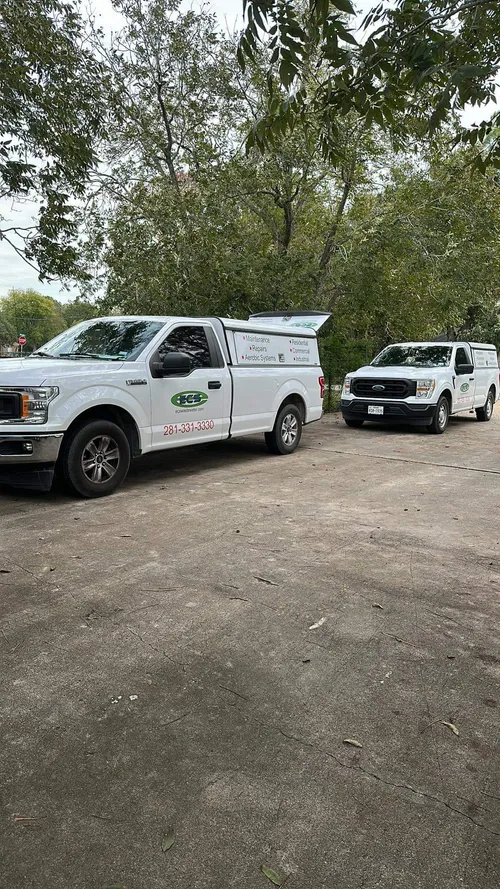
Environmental Construction Services
8916 Quail Valley Dr, Manvel, TX 77578
Environmental Construction Services is a licensed and insured septic system company serving Houston, TX, and surrounding counties. Since 1992, they have provided residential and commercial septic system installation, maintenance, and repair services, specializing in aerobic septic systems. Their technicians are licensed by the Texas Commission on Environmental Quality and are available seven days a week to address septic system needs. The company serves a large area including Brazoria, Fort Bend, Galveston, and Harris counties. Environmental Construction Services also offers maintenance contracts and uses quality parts to help extend the life of septic systems.
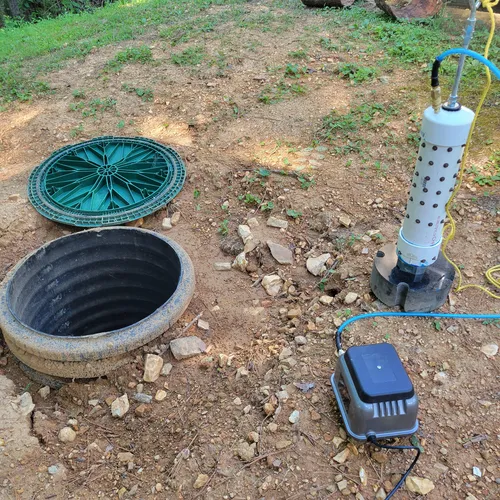
Briggs Septic Service
16842 Southwest Fwy unit 2, Sugar Land, TX 77479
Briggs Septic Service provides comprehensive septic system services in Houston, TX, including septic tank installation, pumping, inspection, repair, drain field installation, and maintenance. They serve both residential and commercial clients, using advanced equipment and adhering to local regulations to ensure quality and environmental responsibility. Their team is fully licensed and certified, offering expertise tailored to the unique soil and land conditions of the area. Briggs Septic Service has years of experience and offers 24/7 emergency service to address urgent septic needs promptly.
Advanced Aerobic Systems
Pasadena, TX
Advanced Aerobic Systems is a septic tank installation, pumping, inspection, and repair company serving Pasadena, TX. They specialize in aerobic septic systems and provide services from permitting and installation to final inspection and maintenance. The company emphasizes quality parts and detailed inspection techniques to reduce long-term maintenance costs and avoid emergency repairs. Established in 1982, Advanced Aerobic Systems has over 20 years of experience and offers a vacuum septic pumping service. Their technicians receive yearly training to maintain industry standards.

Whitt Septic Systems
115 County Rd 291A, Alvin, TX 77511
Whitt Septic Systems is a septic tank pumping, repair, and installation company serving Houston, TX, and parts of Brazoria, Galveston, Fort Bend, and Harris Counties. They provide services for both residential and commercial septic systems, including maintenance contracts, aerobic system repairs and installations, and septic tank pumping through a partner. The company emphasizes individual attention and detailed workmanship for each project.
Understanding the Regulatory Landscape
In Texas, septic systems are formally known as On-Site Sewage Facilities (OSSFs). The Texas Commission on Environmental Quality (TCEQ) sets the statewide rules, which are administered locally in Fort Bend County by the Environmental Health Services division. You cannot simply hire a contractor to dig a hole; the entire process-from soil testing to final inspection-requires permits and oversight. Whether you're building a new home on a lot without municipal sewer access or replacing a failing system, navigating these regulations is the first critical step.
The core principle is that a system must be designed for your specific property. A one-size-fits-all approach doesn't work because soil conditions vary dramatically, even within neighborhoods. The local health department's goal is to prevent groundwater contamination and public health hazards, which is why the process is structured and mandatory 1.
The Step-by-Step Installation Process
1. Site Evaluation and Soil Analysis
This is the non-negotiable starting point. A licensed site evaluator must conduct a thorough soil analysis on your property. This test, often called a percolation or "perc" test, determines the soil's permeability-how quickly water drains through it. The evaluator also checks the depth to the water table and identifies any restrictive layers like heavy clay or rock.
The results of this evaluation dictate everything that follows. Good, permeable soil may allow for a conventional gravity-fed system. Poorly draining or shallow soils will likely require a more advanced aerobic treatment system 2. You cannot obtain a permit without the official findings from this licensed evaluation.
2. System Design and Permit Application
Once the site evaluation is complete, a licensed septic system designer uses the data to create a custom design. This design plan specifies the tank size, drainfield layout, and all components tailored to your soil and your household's estimated wastewater flow (based on bedroom count).
This design package is then submitted to Fort Bend County Environmental Health Services as part of your permit application. The county will review the plans to ensure they comply with all TCEQ standards. A site inspection may also be conducted at this stage before the permit is issued. Never begin excavation before you have the permit in hand.
3. Installation by a Licensed Professional
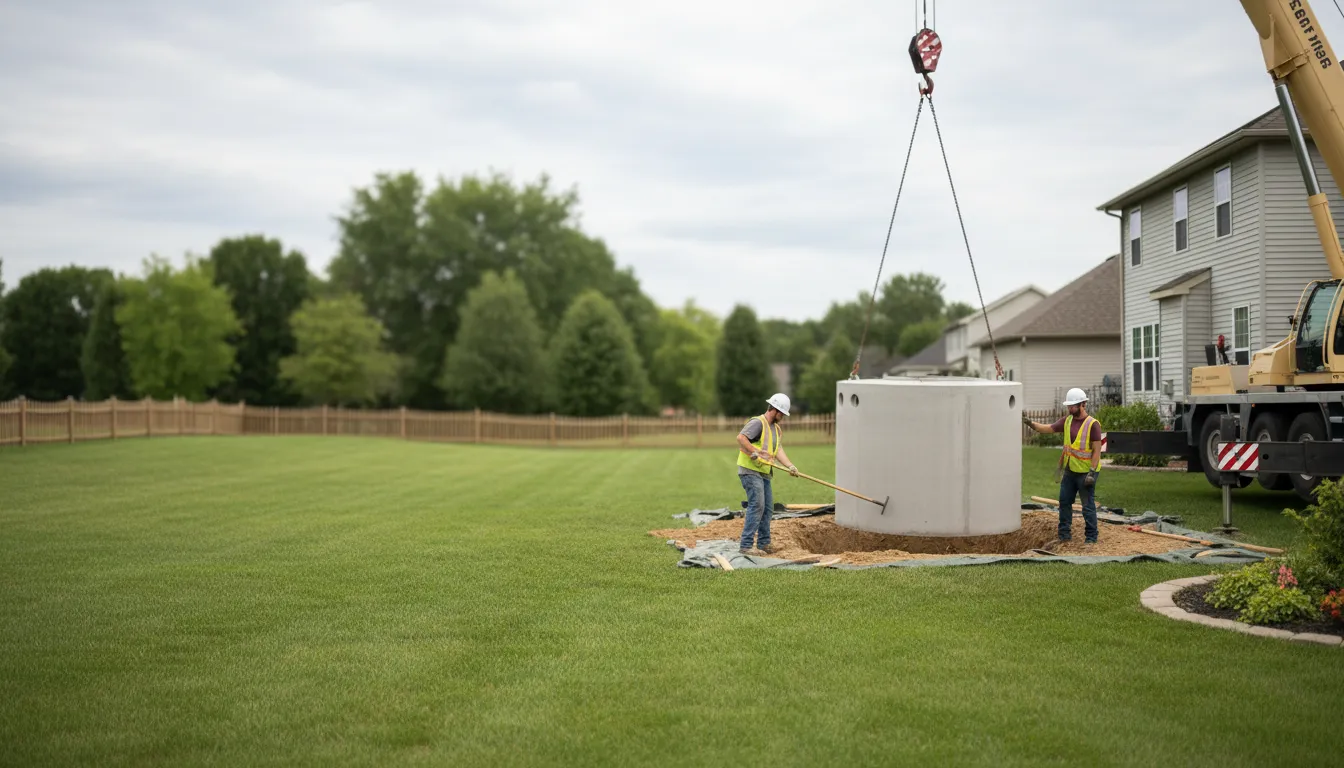
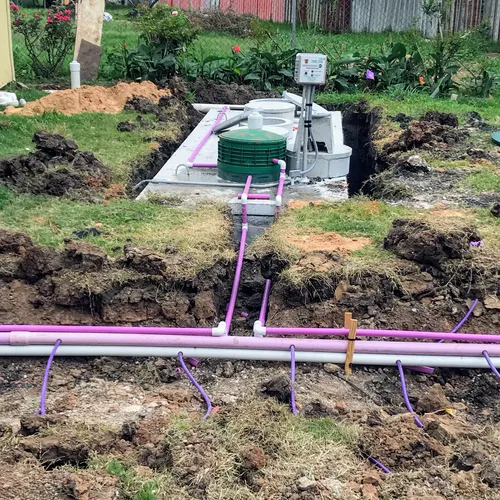
Installation must be performed by a TCEQ-licensed installer. This is a legal requirement. A qualified installer will follow the approved design precisely, handling the excavation, placement of the septic tank, construction of the drainfield or placement of the aerobic unit, and all connecting piping 3.
There are multiple critical inspections during this phase:
- Open Tank Inspection: After the tank is set in the ground but before it is covered, an inspector will verify its placement, the slope of inlet/outlet pipes, and the connections.
- Final Inspection: Once the entire system is installed, a final inspection checks all components, including pumps, alarms, and spray heads for aerobic systems. Only after this final approval can the system be covered and put into operation 4.
Find the perfect septic tank installation & replacement contractors for your needs
Get personalized recommendations and expert advice
Types of Septic Systems Used in Sugar Land
The two primary types of systems installed in our area are defined by the soil conditions found during the site evaluation.
Conventional Gravity Systems: These are typically the most cost-effective option but require suitable soil. They rely on gravity to move liquid waste (effluent) from the tank out into a subsurface drainfield where it percolates through the soil for final treatment 5. They are passive, with no mechanical parts, and generally have lower long-term maintenance needs.
Aerobic Treatment Units (ATUs): These are often required in Sugar Land and surrounding Fort Bend County areas where the soil has poor drainage, is too rocky, or the water table is high. An aerobic system uses oxygen to break down waste more efficiently inside a multi-chambered tank. The treated effluent is then dispersed via a spray field 6. These systems require electricity to run air pumps and spray pumps, and they mandate ongoing maintenance contracts to ensure they function correctly, as per TCEQ rules.
Cost Factors for Installation and Replacement
The total cost for a new septic system or a full system replacement in Sugar Land is influenced by several key factors. It's important to budget for the entire process, not just the physical installation.
- System Type: This is the largest cost determinant. A conventional gravity system generally ranges from $12,000 to $18,000 for a standard residential installation 7 8. An aerobic treatment system, due to its mechanical complexity and additional components, typically ranges from $17,000 to $26,000 or more 7 9.
- Property and Soil Conditions: Difficult sites with poor access, rocky soil, or a high water table will increase excavation and labor costs. If the soil requires significant grading or the drainfield needs to be located far from the home, expenses rise.
- Home Size: The system must be sized based on the number of bedrooms in your home, which correlates to estimated daily wastewater flow. A larger tank and drainfield are needed for a 4-bedroom home than a 2-bedroom home.
- Additional Required Fees: Remember to include costs for the licensed site evaluation (soil test), system design fees, and the county permit fees in your overall budget. For aerobic systems, factor in the cost of the required annual maintenance contract.
When is Full System Replacement Needed?
Understanding when to repair versus replace is crucial. While some issues can be fixed, a full septic tank replacement or drainfield replacement may be necessary if:
- The drainfield is saturated and failing, causing sewage backups or surfacing effluent.
- The existing septic tank is cracked, collapsed, or leaking and cannot be repaired.
- You are significantly expanding your home (adding bedrooms) and the existing system is undersized.
- The system is an old, non-compliant type that cannot be upgraded to meet current standards.
Replacement follows the same permit and installation process as a new installation. The old system must be properly abandoned (often filled with sand or gravel) under county supervision.
Choosing a Qualified Installation Contractor
Selecting the right professional is paramount. Always verify that the contractor holds a current TCEQ license for installation. Ask for references from recent projects in Fort Bend County and confirm they are familiar with the local inspectors and permit process. A reputable installer will gladly pull the required permits, handle the inspection scheduling, and provide a detailed contract outlining the work, the approved system design, and a payment schedule tied to inspection milestones.
Long-Term Care for Your Investment
A new system is a major investment that should last for decades with proper care. For aerobic systems, a maintenance contract is legally required. For conventional systems, it is strongly advised. Regular pumping (typically every 3-5 years), mindful water usage, and avoiding flushing harmful chemicals or materials will protect your drainfield and prevent premature, costly failures. Your installer should provide you with clear guidance on operating and maintaining your specific system type.
Frequently asked questions
Sources
Footnotes
-
Septic System Regulations and Permits: What You Need to Know - https://tidytanksepticservice.com/blog/septic-system-regulations-and-permits-what-you-need-to-know/ ↩
-
Texas Septic System Regulations - https://dillonseptic.com/texas-septic-system-regulations/ ↩
-
Septic Tank Installation Guide: Get It Done Right the First Time - https://www.wepumpitsepticservice.com/how-to-install-a-septic-tank ↩
-
Installing a Septic System at Your Home: What the Process ... - https://brighteyestexas.com/installing-a-septic-system-at-your-home-what-the-process-looks-like/ ↩
-
Basics for Septic Systems - https://www.tceq.texas.gov/assistance/water/fyiossfs.html ↩
-
Texas Septic Systems & OSSF Requirements | 2026 Guide - https://texaslandbrokerage.com/resources/texas-septic-systems-ossf-requirements-guide/ ↩
-
Aerobic Septic System Cost in Texas (Updated 2026) - https://dillonseptic.com/aerobic-septic-system-cost-in-texas/ ↩ ↩2
-
Average Cost to Install Septic System in Texas - https://dillonseptic.com/average-cost-to-install-septic-system-in-texas/ ↩
-
Cost of a Septic System in Texas - https://dillonseptic.com/cost-of-a-septic-system-in-texas/ ↩