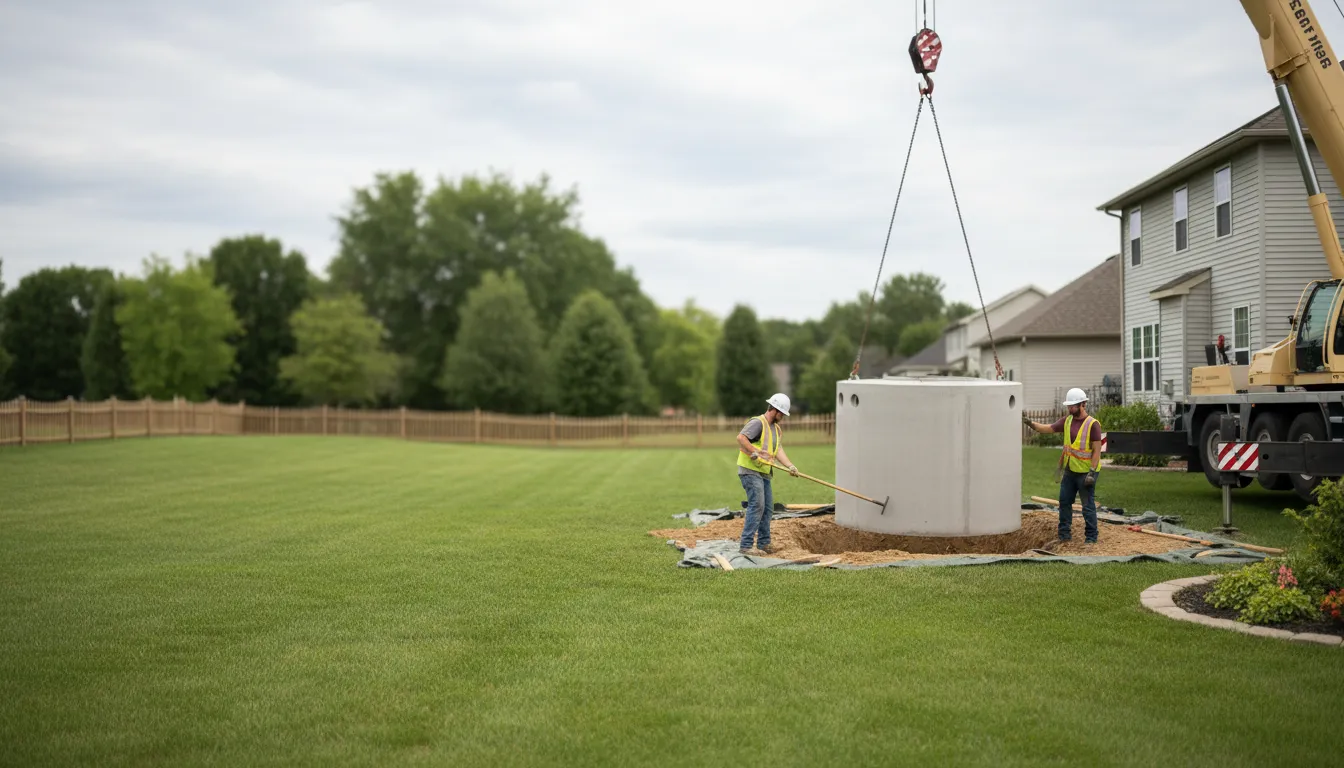
Find the Best Septic Tank Installation & Replacement Contractors for Your Business
No obligation • Fast responses • Nationwide coverage

Why you can trust Septic Spot
Septic Spot is a leading United States resource for understanding and comparing septic services. Our editors review providers using consistent criteria and verify key business details. Listings and scores are independent, and companies cannot pay to influence our content.
Search providers near you
Top Septic Tank Installation & Replacement Contractors in Texas City, Texas Ranked
Installing or replacing a septic system is a significant investment in your property's long-term functionality and environmental health. A properly designed and permitted onsite sewage facility (OSSF) is crucial for safely treating household wastewater and protecting local groundwater. This guide outlines the key steps, regulations, and considerations for septic system work in Texas City, helping you understand the process and connect with qualified local professionals.
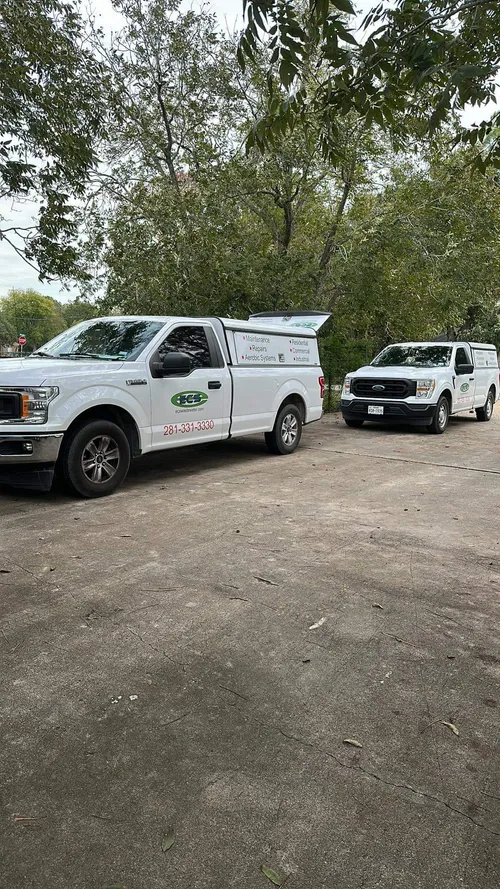
Environmental Construction Services
8916 Quail Valley Dr, Manvel, TX 77578
Environmental Construction Services is a licensed and insured septic system company serving Houston, TX, and surrounding counties. Since 1992, they have provided residential and commercial septic system installation, maintenance, and repair services, specializing in aerobic septic systems. Their technicians are licensed by the Texas Commission on Environmental Quality and are available seven days a week to address septic system needs. The company serves a large area including Brazoria, Fort Bend, Galveston, and Harris counties. Environmental Construction Services also offers maintenance contracts and uses quality parts to help extend the life of septic systems.
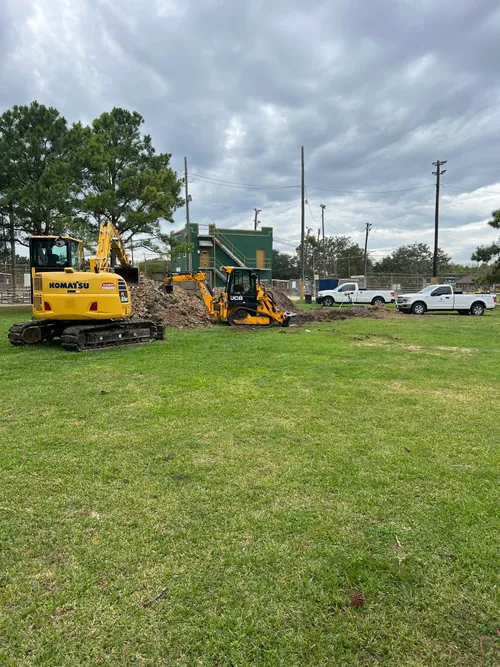
Gulf Coast Aerobic Services
13205 Hwy 6, Santa Fe, TX 77510
Gulf Coast Aerobic Services is a septic tank inspection, repair, and installation company serving Houston, TX, and the Texas Gulf Coast. With over 30 years of experience, they provide services for both commercial and residential properties, including site preparation, excavation, and comprehensive septic system installation. Their expertise covers maintenance and repairs to help keep septic systems functioning effectively.

Whitt Septic Systems
115 County Rd 291A, Alvin, TX 77511
Whitt Septic Systems is a septic tank pumping, repair, and installation company serving Houston, TX, and parts of Brazoria, Galveston, Fort Bend, and Harris Counties. They provide services for both residential and commercial septic systems, including maintenance contracts, aerobic system repairs and installations, and septic tank pumping through a partner. The company emphasizes individual attention and detailed workmanship for each project.
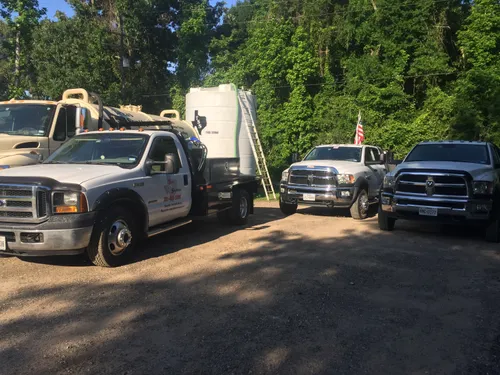
Texas Septic Solutions
Pearland, TX
Texas Septic Solutions provides septic tank installation, pumping, and maintenance services in Pearland, TX. They serve both residential and commercial customers, offering routine septic and aerobic tank maintenance to prevent system failures. Their capabilities include new septic installations, pump outs, parts and sales, as well as drainage system and runoff trench work. The company also handles land clearing, pond services, stump removal, and manufactured home site pads. Texas Septic Solutions offers 24-hour emergency services to address urgent septic needs.
Understanding Local Regulations and Permits
In Texas City, all new septic system installations, major repairs, and replacements require a permit from the local environmental health authority. This is typically the Galveston County Health District or the Jefferson County Health Department, which enforce rules set by the Texas Commission on Environmental Quality (TCEQ) 1 2. You cannot legally begin construction without this permit. The regulatory framework is designed to ensure systems are built correctly to prevent contamination and public health hazards.
A licensed installer must perform the work, unless a homeowner completes an authorized training program to install a system on their primary residence 3. The process starts with submitting a detailed system plan, often created by a Registered Sanitarian or Professional Engineer, for review and approval by the permitting authority 4 5.
The Critical First Step: Site Evaluation and Soil Testing
Before any design can be finalized, a professional must evaluate your property. The cornerstone of this evaluation in Texas is the soil profile analysis. This test involves digging deep pits to examine soil characteristics like texture, structure, and the presence of restrictive layers or a high water table. The results determine the soil's absorptive capacity and dictate the type and size of the drain field or alternative system your property can support.
Historically common "perc" (percolation) tests are less frequently used now in favor of the more comprehensive soil profile analysis 6. This evaluation also identifies location constraints, such as required setbacks from wells (often 100 feet), property lines (often 50 feet), buildings, and waterways.
Designing Your Onsite Sewage System
With the soil data in hand, a system design is created. The design must match the property's conditions and the home's size. Key design factors include:
- System Type: A conventional gravity-fed system may be suitable for well-draining soils. For poor-draining soils or smaller lots, an aerobic treatment unit (ATU) or other alternative system might be necessary.
- Tank Sizing: State rules provide minimum tank capacities based on bedroom count: a 750-gallon tank for 1-2 bedrooms, 1,000 gallons for 3 bedrooms, and 1,250 gallons for 4 bedrooms.
- Drain Field Sizing: The area of the leach field is calculated based on the daily wastewater flow and the soil's absorption rate from the profile analysis.
This engineered plan is what gets submitted for the permit.
The Installation Process and Required Inspections
Once permitted, licensed installers follow the approved plan. The process typically involves excavating for the septic tank and drain field trenches, placing the tank, connecting plumbing from the house, and constructing the distribution network. Critical to this phase are the mandatory inspections conducted by the health department or a licensed inspector 7:
- Pre-Construction/Site Inspection: Verifies the proposed location meets all setback requirements.
- Open Trench Inspection: Occurs after the tank, pipes, and drain field gravel are in place but before they are covered with soil. This is a crucial check for proper construction.
- Final Inspection: After the system is covered and landscaping is restored, the inspector verifies the installation is complete and operational components like pumps or alarms function correctly 8 9.
Find the perfect septic tank installation & replacement contractors for your needs
Get personalized recommendations and expert advice
Cost Considerations for Installation and Replacement
The total cost for a new septic system installation in Texas City varies widely based on system type, soil conditions, and property specifics. Research indicates a standard conventional system typically ranges from approximately $3,500 to $8,500 or more installed 10. More complex aerobic system installations generally cost more, often ranging from $4,000 to over $15,000 10.
These figures are for the physical installation. You must also budget for additional upfront costs:
- Site Evaluation & Design: Professional soil testing and engineering design fees can range from $500 to $1,500.
- Permitting Fees: Paid to the local health department, these often fall between $200 and $500 11.
- Site Preparation: Costs can escalate significantly if extensive tree removal, grading, or rock excavation is required.
Choosing Between a Conventional and Aerobic System
The soil profile analysis will largely determine which system type is viable for your property.
- Conventional Systems: These are often the most cost-effective option where soil conditions allow. They rely on gravity and natural bacterial processes in the tank and drain field.
- Aerobic Treatment Systems (ATS): These systems use an oxygenated environment to break down waste more efficiently. They are required for poor soils, small lots, or areas with high groundwater. A key ongoing requirement for aerobic systems in Texas is a mandatory maintenance contract with a licensed maintenance provider 12. They require more frequent pumping, electrical components, and regular servicing.
Long-Term Maintenance and Care
A new system is a long-term asset that requires proper care. For all systems, this includes having the tank pumped every 3-5 years, conserving water, and avoiding flushing harmful chemicals or non-biodegradable materials. For aerobic systems, state law requires the maintenance contract to ensure pumps, aerators, and alarms are serviced regularly 13 14. Keeping detailed records of all inspections, pumping, and repairs is essential for warranty purposes and if you ever sell your home.
Frequently asked questions
Sources
Footnotes
-
Septic Permits - Environmental Control - Jefferson County TX - https://jeffersoncountytx.gov/env_cntrl/septicpermits.htm ↩
-
What laws in Texas apply to septic systems? - Water School - https://brazos.org/about-us/education/water-school/articleid/349/what-laws-in-texas-apply-to-septic-systems ↩
-
PROCEDURES FOR OBTAINING AN ON-SITE SEWAGE FACILITY CONSTRUCTION PERMIT & LICENSE 1. A person may not construct, alter, re - https://hollywoodpark-tx.gov/wp-content/uploads/2013/01/SEPTIC-PERMIT.pdf ↩
-
Basics for Septic Systems - https://www.tceq.texas.gov/assistance/water/fyiossfs.html ↩
-
South Texas Wastewater - https://stwastewater.com/permits.shtml ↩
-
Soil Profile Analysis Test for Septic Tank System - Texas Onsite - https://texasonsite.com/residentialsepticsystem/soilprofileanalysis.html ↩
-
Getting a Permit for an OSSF - Such as a Septic System - Texas Commission on Environmental Quality - https://www.tceq.texas.gov/permitting/ossf/ossfpermits.html ↩
-
Installing a Septic System at Your Home: What the Process ... - https://brighteyestexas.com/installing-a-septic-system-at-your-home-what-the-process-looks-like/ ↩
-
Septic Inspections Made Easy: What Every Contractor Needs to Know Before Breaking Ground (2025) - https://flengineeringllc.com/septic-inspections-guide-contractors-2025/ ↩
-
average cost of new septic installation? - Facebook - https://www.facebook.com/groups/217535903122864/posts/1094726938737085/ ↩ ↩2
-
What You Should Know About Septic Systems When Building ... - https://riverhillsbuilder.com/septic-systems-hill-country/ ↩
-
B&C CONTRACTING - https://www.angelfire.com/bc3/bcfoundations/septicsystems2.html ↩
-
Maintenance of On-Site Sewage Facilities (Septic Systems) - https://www.tceq.texas.gov/permitting/ossf/ossfmaintenance.html ↩
-
Septic System FAQs - https://newtools.cira.state.tx.us/upload/page/7913/docs/Health/Water%20Quality/Water%20Quality%20FAQs%20%282%29.pdf ↩