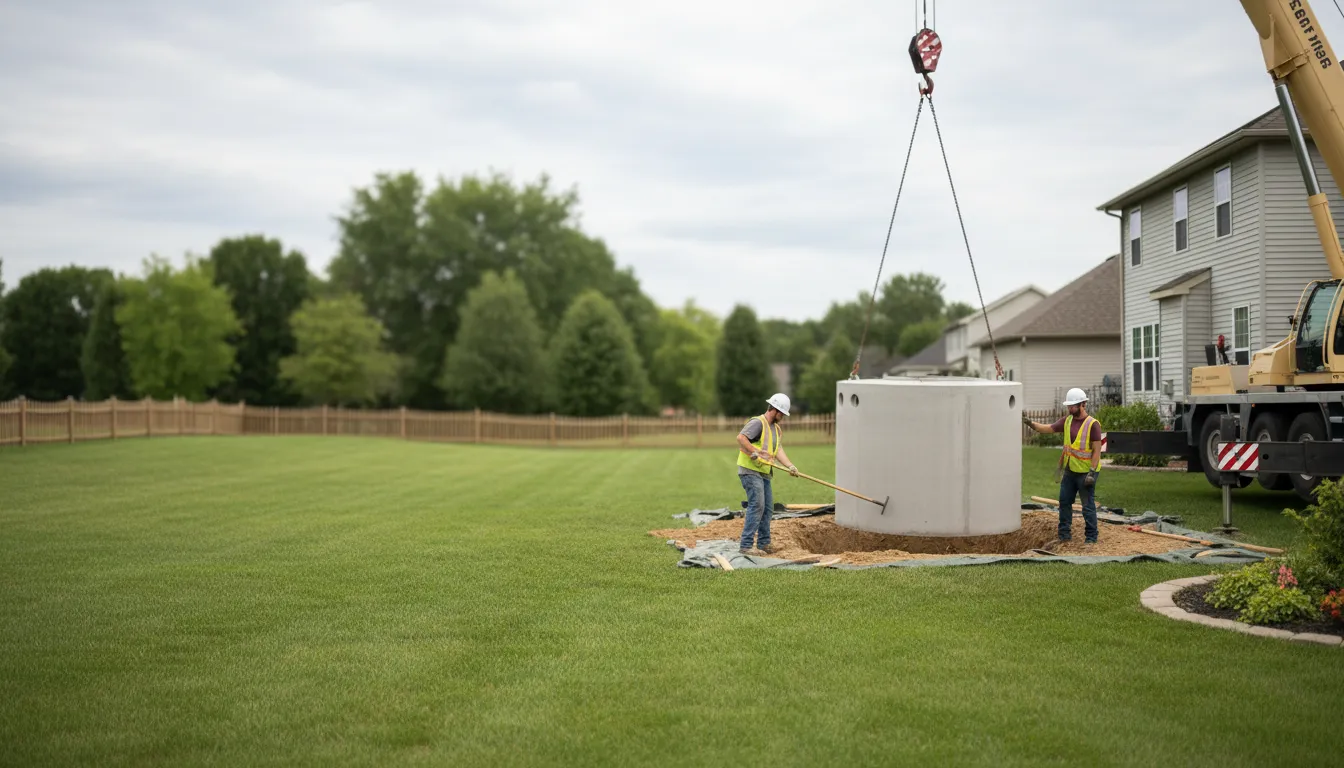
Find the Best Septic Tank Installation & Replacement Contractors for Your Business
No obligation • Fast responses • Nationwide coverage

Why you can trust Septic Spot
Septic Spot is a leading United States resource for understanding and comparing septic services. Our editors review providers using consistent criteria and verify key business details. Listings and scores are independent, and companies cannot pay to influence our content.
Search providers near you
Top Septic Tank Installation & Replacement Contractors in The Colony, Texas Ranked
Installing or replacing a septic system is a significant home infrastructure project that ensures the safe and efficient treatment of household wastewater. For homes in The Colony not connected to municipal sewer lines, a properly designed and permitted septic system is essential for protecting your property value, your family's health, and the local environment. This guide provides a detailed overview of the process, regulations, and costs specific to The Colony, Texas, helping you understand what to expect and how to connect with qualified local professionals for your septic tank installation or system replacement needs.
Straight Shooter Plumbing and Rooter
629 National Dr, Rockwall, TX 75032
Straight Shooter Plumbing and Rooter is a plumbing company serving Dallas, TX, and surrounding Texas communities. They offer a wide range of plumbing services including septic tank installation and repair, sewer line services, drain cleaning, water heater installation, leak detection, and under slab tunneling for sewer and water line repairs. Their expertise in trenchless pipe repair and septic system services supports both residential and commercial needs. The company is family-run, with licensed, bonded, and insured plumbers, and provides a workmanship guarantee. They serve multiple cities across Texas, including Rockwall, Fort Worth, Garland, and Plano.
Royal Flush Septic, Inc.
306 N Ash Dr STE D, Allen, TX 75002
Royal Flush Septic, Inc. is a septic tank installation contractor serving Dallas, TX. Since 2001, they have provided residential and commercial septic system installations across the Dallas-Fort Worth Metroplex. Their services include on-site soil evaluations, system design tailored to client needs, and installation backed by a two-year structural guarantee. The company supports home builders and property managers with septic solutions designed for various property sizes and types.
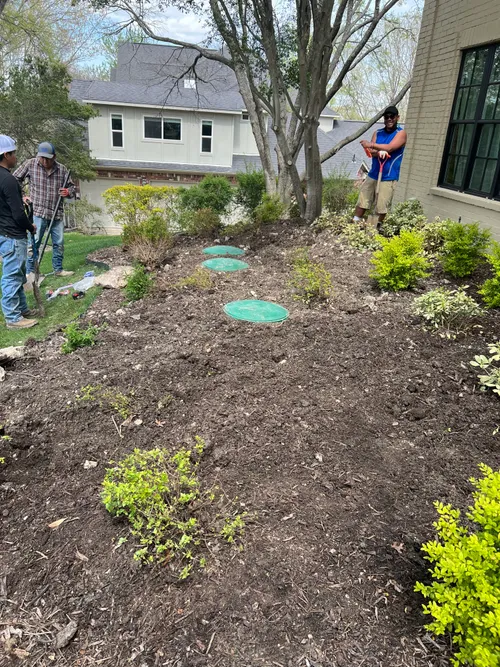
Year Round Septic
Dallas, TX
Year Round Septic is a septic service provider based in Dallas, TX. They specialize in septic tank installation for new construction and replacement projects, septic tank repair, and comprehensive septic tank inspections. The company offers 24/7 emergency services to address urgent septic system issues promptly. They also facilitate regular septic tank pumping for both residential and commercial properties to maintain system functionality and prevent problems.
Total Septic
3300 Maroon Creek Rd, Aubrey, TX 76227
Total Septic is a locally owned and operated company based in Dallas, TX, offering a full range of septic system services including installation, pumping, inspection, and repair. They serve multiple Texas counties such as Collin, Grayson, Denton, Rockwall, Fannin, and Hunt. The company specializes in various septic systems including traditional, aerobic, plastic/poly, and concrete tanks, ensuring each installation meets local codes and site conditions. Total Septic also provides excavation services like land clearing, grading, trenching, and demolition for residential and commercial projects. With decades of combined experience, they manage projects with modern equipment and a focus on compliance and safety.
HomeField Collin County
McKinney, TX
HomeField Collin County provides septic system services in McKinney, TX, including septic tank pumping, inspection, repair, installation, and pump replacement. The company is known for thorough septic system repairs and maintenance, with technicians who explain system components clearly to customers. HomeField Collin County serves residential clients throughout the area, offering knowledgeable and responsive service to address various septic needs.
Understanding Septic System Basics for Texas Homes
A septic system, often called an on-site sewage facility (OSSF) in Texas, is a self-contained wastewater treatment system. It typically consists of a septic tank, where solids settle and begin to decompose, and a drain field (or leach field), where the clarified liquid effluent is dispersed into the soil for final treatment. In The Colony, the specific type of system you can install-whether a conventional gravity system, an aerobic treatment unit (ATU), or another advanced system-is determined by a mandatory site evaluation. This evaluation assesses critical factors like soil composition, lot size, slope, and groundwater depth, all of which are regulated by the Texas Commission on Environmental Quality (TCEQ).
The Mandatory Permit Process in Denton County
Before a single shovel hits the ground, you must secure a permit. In Texas, installing a new septic system or replacing a failing one requires a permit authorized by the TCEQ. For properties in The Colony, this process is typically managed through the local permitting agent, which is often the county's environmental health department (Denton County) or a designated local authority.
A licensed installer will handle the permit application, which must include the results of the site evaluation and the engineered design plans for the proposed system 1. The permit ensures your system complies with all state and local health codes, including strict setback requirements. These setbacks dictate minimum distances the system must be from your home, property lines, water wells (usually 100 feet or more), and other structures 2. It's crucial to note that while some repairs may not require a new permit, they must often be reported to the local authority within 72 hours.
The Critical Role of Site Evaluation and Soil Testing
The foundation of a successful septic installation is a proper site evaluation conducted by a certified site evaluator. This is not a mere formality; it is a state-mandated step that dictates the entire project. The evaluator will perform percolation (perc) tests and deep soil borings to analyze the soil's texture, structure, and absorption rate.
The soil conditions in and around The Colony can vary, but areas with heavy clay soil are common. Clay has a very slow permeability, meaning it does not absorb water quickly. If a standard conventional system is not suitable due to soil type, lot size, or high groundwater, the evaluator's report will specify the need for a more advanced system, such as an aerobic treatment system or a mound system 3. This evaluation directly impacts the system design, permit approval, and overall project cost.
Breakdown of Installation Stages and Inspections
A professional septic system installation follows a sequenced process with built-in quality checks. Understanding these stages helps you know what to expect as the work progresses on your property.
- Site Preparation & Excavation: Once permits are in hand, the installer will mark the location of the tank and drain field and begin excavation. This stage involves careful heavy equipment operation to dig the holes for the tank and the trenches for the drain field lines.
- Tank Placement and Plumbing: The septic tank (typically concrete, plastic, or fiberglass) is lowered into the excavated hole. All inlet and outlet pipes are connected, ensuring proper slope and alignment from the house to the tank and from the tank to the distribution box.
- Pre-Cover Inspection: This is a critical mandatory inspection. Before the tank and any distribution boxes are covered with soil, a county or TCEQ-authorized inspector will visit the site. They verify the tank is level, the pipes are correctly sloped, all connections are watertight, and the installation matches the approved design plans.
- Drain Field Construction and Final Backfill: After passing the pre-cover inspection, the drain field trenches are constructed with gravel and perforated distribution pipes. For aerobic systems, electrical components, pumps, and spray heads are installed. Once everything is verified, the entire system is carefully backfilled.
- Final Inspection: A final inspection is conducted to ensure the completed system, including any pumps, alarms, or sprayers for aerobic systems, is operational and meets all code requirements. Only after this final sign-off is the system considered approved for use.
Find the perfect septic tank installation & replacement contractors for your needs
Get personalized recommendations and expert advice
Cost Factors for Septic Installation in The Colony
The total cost of a septic system installation is rarely a single flat fee; it is the sum of several components. Prices can vary based on system type, soil conditions, lot accessibility, and the specific installer. Based on regional data for Texas, here is a general breakdown of what you might expect 4:
- Permit Fees: Paid to the local authority, these typically range from $300 to $1,200.
- Site Evaluation & System Design: This essential service, performed by a licensed professional, usually costs between $400 and $700.
- System Materials (Tank & Components): For a conventional gravity system, the tank and drain field materials often range from $4,500 to $7,500. More advanced systems like aerobic treatment units have significantly higher material costs.
- Installation Labor & Excavation: The physical installation work for a conventional system, including excavation, placement, and backfilling, can add $4,000 to $6,000 or more to the bill.
When combined, a complete conventional septic system installation in The Colony often falls within a $6,000 to $15,000+ range. Aerobic systems, which are commonly required for challenging sites in the region, frequently exceed $20,000 for a full installation 5 6. It's important to get detailed, written estimates from multiple licensed installers that itemize all these components.
Timeline and the Importance of Hiring a Licensed Professional
From the initial site evaluation to the final inspection, a standard residential septic system installation can often be completed within one to three days of physical work, once all permits are secured 7. However, the overall timeline can be extended by the permit approval process and scheduling inspections.
Perhaps the most important decision you will make is choosing your installer. Texas law requires that septic systems be installed by a licensed installer 8 9. Hiring a licensed professional is non-negotiable. They understand the complex TCEQ regulations, can navigate the permit process efficiently, and ensure the installation passes all mandatory inspections. Using an unlicensed individual can result in permit violations, an improperly functioning system, costly repairs, and even legal issues, ultimately jeopardizing your property's value and safety 9.
Maintaining Your New Septic System
After your new system is installed, proper maintenance is key to its longevity. For conventional systems, this primarily means pumping the septic tank every 3-5 years, depending on household size and usage. Aerobic systems have more frequent maintenance requirements, including quarterly or semi-annual inspections and servicing of the mechanical components. Always follow the maintenance guidelines provided by your installer and the TCEQ to protect your investment and avoid premature system failure 10.
Frequently asked questions
Sources
Footnotes
-
Getting a Permit for an OSSF - Such as a Septic System - Texas Commission on Environmental Quality - https://www.tceq.texas.gov/permitting/ossf/ossfpermits.html ↩
-
SEPTIC SYSTEM LAWS IN TEXAS - https://www.terseptic.com/posts/septic-systems-its-the-law ↩
-
Texas Septic Tank Requirements - Hunker - https://www.hunker.com/12000126/texas-septic-tank-requirements/ ↩
-
Texas Septic System Regulations - https://dillonseptic.com/texas-septic-system-regulations/ ↩
-
Average Cost to Install Septic System in Texas - https://dillonseptic.com/average-cost-to-install-septic-system-in-texas/ ↩
-
Cost of a Septic System in Texas - https://dillonseptic.com/cost-of-a-septic-system-in-texas/ ↩
-
Installing a Septic System at Your Home: What the Process ... - https://brighteyestexas.com/installing-a-septic-system-at-your-home-what-the-process-looks-like/ ↩
-
Septic Permits - Environmental Control - Jefferson County TX - https://jeffersoncountytx.gov/env_cntrl/septicpermits.htm ↩
-
Texas Septic Tank Rules - https://dillonseptic.com/texas-septic-tank-rules/ ↩ ↩2
-
Advice for an Owner of an On-Site Sewage Facility (Septic System) - https://www.tceq.texas.gov/permitting/ossf/ossfadvice.html ↩