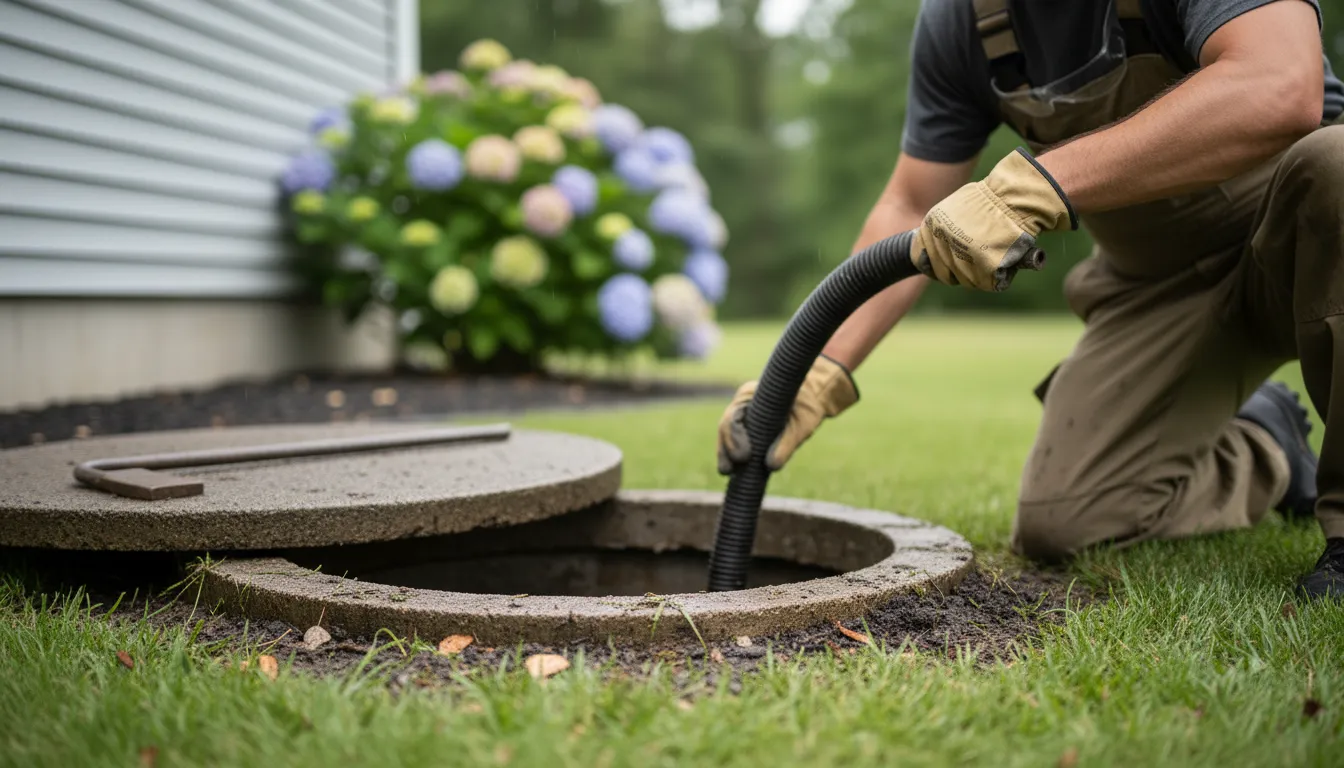
Find the Best Septic Tank Pumping Contractors for Your Business
No obligation • Fast responses • Nationwide coverage

Why you can trust Septic Spot
Septic Spot is a leading United States resource for understanding and comparing septic services. Our editors review providers using consistent criteria and verify key business details. Listings and scores are independent, and companies cannot pay to influence our content.
Search providers near you
Top Septic Tank Pumping Contractors in Beaumont, Texas Ranked
Maintaining your home's septic system is a crucial responsibility for any property owner in Beaumont. Septic tank pumping is the essential process of removing accumulated solids and sludge from your tank to prevent system failure, backups, and costly environmental damage. This service is vital for protecting your property value, your family's health, and the local groundwater. Finding a qualified, licensed professional for this job ensures the work is done safely, effectively, and in compliance with Texas regulations.
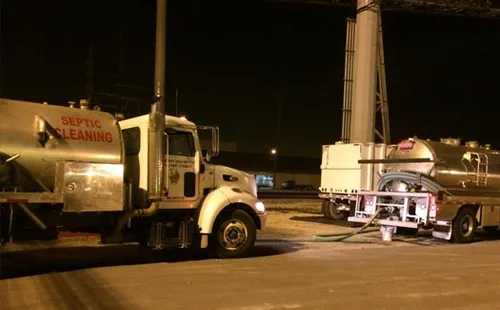
A.S.A.P. Septic Cleaning & Vacuum Truck Services
3760 Hwy 1131, Vidor, TX 77662
A.S.A.P. Septic Cleaning & Vacuum Truck Services is a family-owned company based near Houston, TX, specializing in septic system pumping, repair, and installation. They serve Southeast Texas, including Houston, and offer services such as septic tank pumping, jetting, cleaning, grease trap cleaning, drain services, sewer system repairs, pump replacement, and roto-rooting for clogged lines. The company is licensed by the Texas Commission of Environmental Quality and provides emergency and seven-day-a-week service. They are equipped to install new septic systems or replace existing ones, focusing on maintaining system health to prevent costly damage or replacement.
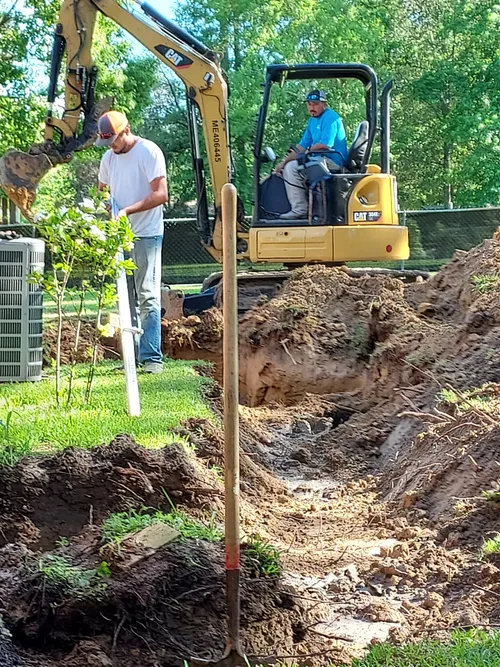
Team Jet of Jet Aeration of Texas LLC
3760 Hwy 1131, Vidor, TX 77662
Team Jet of Jet Aeration of Texas LLC, based in Beaumont, TX, offers comprehensive water and wastewater solutions along with utility construction services. They serve residential, commercial, municipal, industrial, and marine clients, providing septic system installation, repair, and pumping. Their capabilities include vacuum truck services, line jetting, hydro-blasting, and emergency bypass pumping. Established in 1956, the company has over six decades of experience and provides 24/7 disaster and emergency response with trained technicians and equipment ready to deploy within an hour.
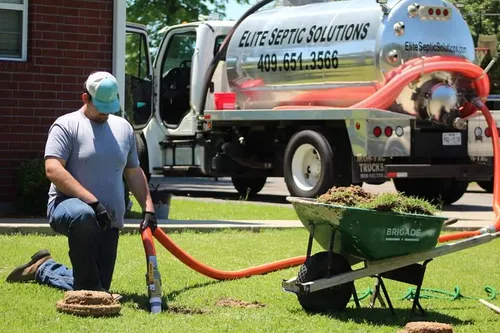
Elite Septic Solutions
2171 Gates Rd, Kountze, TX 77625
Elite Septic Solutions provides septic tank pumping and inspection services in Houston, TX. They focus on maintaining septic systems to prevent common issues such as sluggish drains, foul odors, standing water, and sewage backups. Their services include regular cleaning and thorough inspections to help extend the life of septic systems and avoid costly repairs. Elite Septic Solutions emphasizes the importance of routine maintenance to ensure system health and functionality.
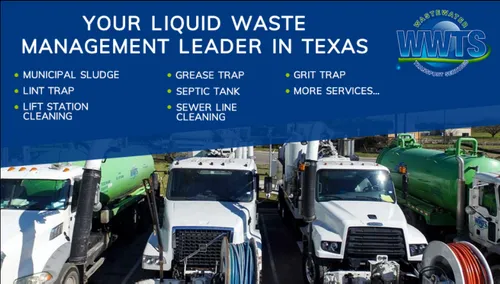
Wastewater Transport Services
4895 Romeda Rd, Beaumont, TX 77705
Wastewater Transport Services is a septic tank pumping company based in Beaumont, TX. They provide non-hazardous liquid waste transportation and disposal services, including municipal sludge hauling, grease trap, grit trap, septic tank, and lift station cleaning and maintenance. Their fleet includes 7,000-gallon tanker units capable of handling various volumes and locations. With over 30 years of industry experience, they operate state-licensed pre-treatment facilities to ensure regulatory compliance and responsible disposal. The company also offers emergency response services around the clock.
Why Regular Septic System Maintenance is Non-Negotiable
Your septic system is an on-site wastewater treatment plant. When functioning correctly, it safely processes all the water and waste from your home. The tank itself holds the solids, allowing liquids to flow out to the drain field. Over time, a layer of sludge builds up at the bottom. If this sludge isn't removed periodically via pumping, it can overflow into the drain field, causing clogs, sewage backups into your home, or pooling wastewater in your yard-an unsanitary and expensive problem to fix. Regular maintenance, including inspections and timely pumping, is your best defense against system failure.
In Texas, the responsibility for maintaining a septic system falls squarely on the property owner 1. Proactive care is not just a recommendation; it's a key part of responsible homeownership. Keeping detailed records of all maintenance, inspections, and pump-outs is highly advised, as this history can be valuable for real estate transactions and for diagnosing any future issues 1.
How Often Should You Pump Your Septic Tank in Beaumont?
The standard guideline for conventional septic systems is to schedule a pump-out every 3 to 5 years. However, this is a general rule, and your household's specific needs may differ. The Texas Commission on Environmental Quality (TCEQ) and other experts emphasize that the only way to know for sure is through regular inspections that measure the sludge and scum layers in your tank.
Several factors can require more frequent septic tank cleaning:
- Household Size: A household with four or more residents will generate more wastewater and solid waste, filling the tank faster. In these cases, pumping every 1 to 2 years may be necessary 2.
- Tank Size: Older or smaller tanks have less capacity and will need service more often.
- Water Usage: High water consumption from frequent laundry loads, long showers, or the use of garbage disposals can push more solids into the tank and shorten the time between necessary pumpings.
- Garbage Disposal Use: Using a garbage disposal significantly increases the amount of solids entering your septic tank, often necessitating more frequent service.
Signs Your System Needs Attention Sooner
Don't wait for a full-blown emergency. Be alert for these warning signs that your tank may be overdue for service:
- Slow drains or gurgling sounds from plumbing fixtures.
- Sewage backups in your home's toilets, showers, or sinks.
- Unpleasant odors around the tank or drain field area.
- Pooling water or unusually lush, green grass over the drain field.
- Standing water or soggy soil around the septic tank itself 3 4.
What to Expect During a Professional Pumping Service
A proper septic service involves more than just vacuuming out the tank. A reputable provider will follow a comprehensive process.
- Locating and Accessing the Tank: The technician will locate your tank and access lids. If you don't have risers (concrete or plastic tubes that bring the lid to ground level), consider having them installed. Risers make future locating, inspection, and pumping much easier, safer, and less disruptive to your yard.
- Initial Inspection: Before pumping, the professional should check the tank's integrity, look for cracks, and ensure the inlet and outlet pipes are not blocked.
- Pumping: Using a large tank truck, all solids, sludge, and liquid are pumped out. The waste is then transported to a licensed treatment facility for proper disposal.
- Post-Pump Inspection: After the tank is empty, a thorough inspection can be performed. This includes checking the baffles (which prevent solids from exiting the tank), the effluent screen (if present), and the overall condition of the tank walls. Effluent screens, which filter particles before water leaves the tank, should be cleaned every 1-2 years during service 5.
- System Evaluation: A good technician will also make observations about your drain field and discuss any concerns or recommendations for ongoing care.
Find the perfect septic tank pumping contractors for your needs
Get personalized recommendations and expert advice
Understanding the Cost of Septic Pumping in Beaumont
The average cost to pump a septic tank in the Beaumont area typically ranges from $300 to $6006 7. This is a baseline, and your final price can vary based on several key factors:
- Tank Size: Larger tanks (e.g., 1,500-gallon) cost more to pump than standard 1,000-gallon tanks.
- Sludge Volume: A severely neglected tank that is overly full will take more time and labor to clean.
- Accessibility: Tanks that are buried deep, located far from the driveway, or obstructed by landscaping, decks, or structures will increase the service time and cost. Easy access with visible risers is the most cost-effective scenario 8.
- Additional Services: Costs will be higher if the service includes inspecting and cleaning the effluent screen, jetting lateral lines, or performing a full diagnostic inspection.
While price is a consideration, the most critical factor is hiring a licensed and registered sludge transporter. In Texas, septic pumpers must be registered with the TCEQ. You can verify a company's license through the TCEQ's online database 9. Using an unlicensed provider puts your system at risk and may be illegal.
Texas Regulations and Your Septic System
Texas state law does not mandate a specific statewide pumping schedule, but it does enforce regulations on who can transport and dispose of septic waste. Local counties or municipalities may have their own ordinances, so it's wise to check with Jefferson County or the City of Beaumont for any local requirements.
The TCEQ provides strong guidelines for maintenance. They recommend that aerobic treatment units (ATUs), a common type of system in some areas, be inspected according to the manufacturer's instructions, which often means several times a year 10. For conventional systems, the Texas Water Resources Institute (TWRI) recommends a professional inspection at least every 3 years, which will inform the pumping schedule.
Inspections should verify:
- The integrity of the tank lid and walls.
- Proper liquid levels (to check for leaks or reverse flow).
- That inlet and outlet pipes are clear 11 12.
Maintaining Your System Between Pumpings
You can extend the life of your septic system and lengthen the time between necessary pumpings with good habits.
- Conserve Water: Fix leaky faucets and toilets, and spread out laundry loads over the week.
- Mind What You Flush: Only human waste and toilet paper should go down the toilet. Never flush wipes (even "flushable" ones), feminine hygiene products, dental floss, diapers, or cooking grease.
- Use Septic-Safe Cleaners: Harsh chemicals can kill the beneficial bacteria in your tank that break down waste.
- Protect Your Drain Field: Never park vehicles or build structures over it. Direct rainwater drainage away from the area.
Frequently asked questions
Sources
Footnotes
-
Septic Tank Laws in Texas - https://dillonseptic.com/septic-tank-laws-in-texas/ ↩ ↩2
-
HOW OFTEN SHOULD YOU BE PUMPING YOUR SEPTIC TANK? - https://www.sandiegocounty.gov/content/dam/sdc/dpw/WATERSHED_PROTECTION_PROGRAM/WatershedRebates/SRP/PDF/Chart-Septic-Large.pdf ↩
-
Septic Systems | Department of Environmental Protection - https://www.pa.gov/agencies/dep/residents/my-water/septic-systems ↩
-
Septic Tank Pumping Frequency: Crucial Maintenance Guide - https://septic911.com/septic-tank-pumping-frequency/ ↩
-
Discover the Recommended Septic Tank Pumping Frequency: 5 Facts! - https://www.unitedsewerservice.com/recommended-septic-tank-pumping-frequency/ ↩
-
Understanding the Average Cost to Pump a Septic Tank - https://www.scorpionsepticservices.com/blog/understanding-the-average-cost-to-pump-a-septic-tank ↩
-
Septic Tank Pumping Cost: Guide & Pricing in 2025 - https://www.splashplumbing.com/how-much-does-it-cost-to-pump-septic-tank-understanding-pricing-and-factors-involved/ ↩
-
What Affects the Cost of Septic Pumping? - https://www.septicblue.com/what-affects-the-cost-of-septic-pumping ↩
-
Maintenance of On-Site Sewage Facilities (Septic Systems) - https://www.tceq.texas.gov/permitting/ossf/ossfmaintenance.html ↩
-
On-Site Sewage Facilities (Septic Systems): General Information - Texas Commission on Environmental Quality - www.tceq.texas.gov - https://www.tceq.texas.gov/permitting/ossf/ossfgeneral.html ↩
-
Septic System - Texas Water Resources Institute - https://twri.tamu.edu/wp-content/uploads/2024/04/em-126-septic-system-maintenance-inspection-pocket-guide.pdf ↩
-
Does Texas Require Septic Inspection - TexInspec - https://texinspec.com/does-texas-require-septic-inspection/ ↩