Find the Best Septic Tank Pumping Contractors for Your Business
No obligation • Fast responses • Nationwide coverage

Why you can trust Septic Spot
Septic Spot is a leading United States resource for understanding and comparing septic services. Our editors review providers using consistent criteria and verify key business details. Listings and scores are independent, and companies cannot pay to influence our content.
Search providers near you
Top Septic Tank Pumping Contractors in Denton, Texas Ranked
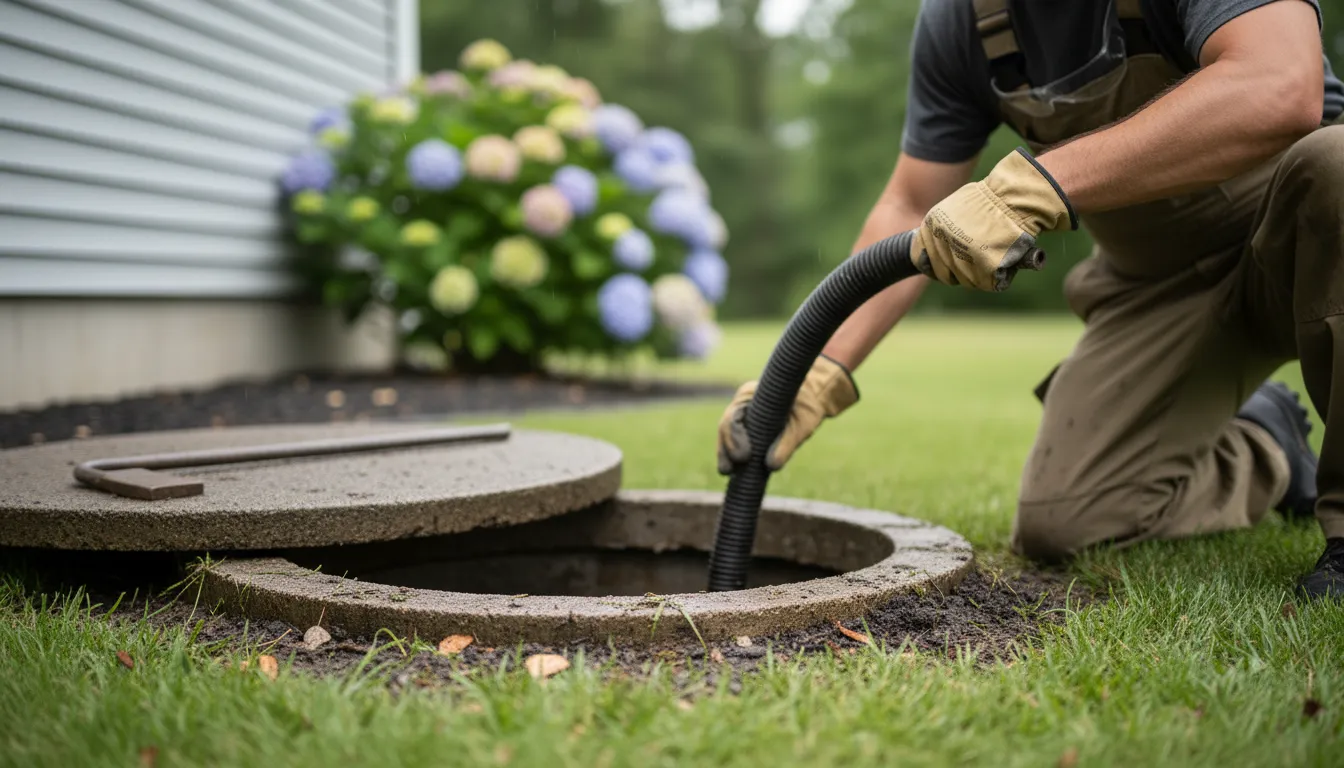
Maintaining your septic system is a crucial responsibility for any homeowner not connected to a municipal sewer line. Regular septic tank pumping removes accumulated solids, preventing system backups, costly repairs, and environmental contamination. This guide provides essential information on septic system maintenance, local regulations, and service expectations to help Denton residents find qualified local professionals for this vital home care task.

B & B Pumping
7520 Moran Rd, Azle, TX 76020
B & B Pumping is a septic tank pumping company serving Fort Worth, TX, and the surrounding DFW area. They provide septic care services designed to maintain and protect residential and commercial septic systems. With decades of experience, B & B Pumping focuses on reliable septic tank pumping to help keep systems running smoothly.
Tri-County Pumping LLC
10964 Blue Sky Dr, Haslet, TX 76052
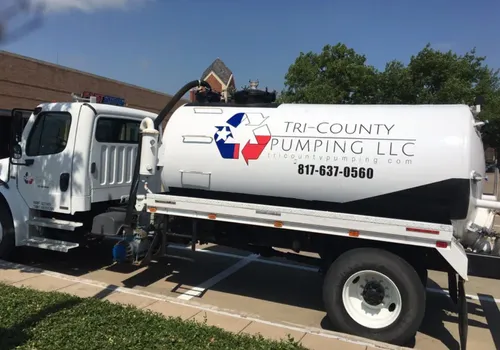
Tri-County Pumping LLC is a family-owned septic tank pumping company based in Fort Worth, TX. They provide licensed services for both industrial and residential clients, specializing in non-hazardous industrial liquid waste and septic pumping. Their team includes college-degreed and state-licensed professionals who focus on compliance and proper waste management. Tri-County Pumping serves multiple counties including Tarrant, Denton, Wise, Parker, Hood, Johnson, and Dallas. With over 30 years of leadership experience in global operations, engineering, and logistics management, they bring expertise to their service delivery.
USA Septic and Sewer Cleaning
4661 Ray White Rd, Fort Worth, TX 76244
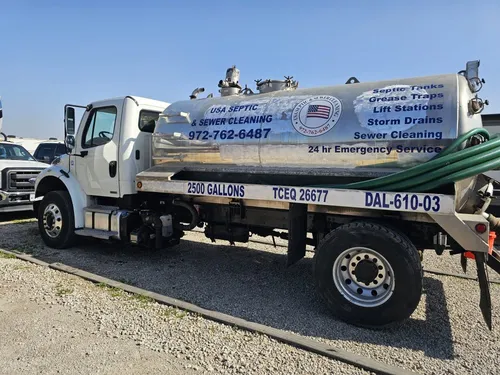
USA Septic and Sewer Cleaning is a licensed septic service provider based near Dallas, TX, serving Fort Worth, Keller, and Tarrant County. They offer septic tank pumping, inspection, system repair, lift station maintenance, and grease trap cleaning for residential and commercial clients. The company provides 24/7 emergency septic and lift station repair services to address backups, overflows, and pump failures promptly. Their team uses advanced equipment to maintain system efficiency and compliance, helping prevent costly repairs and blockages.
Discount Septic Services
Fort Worth, TX
Discount Septic Services provides septic tank pumping and repair services in Fort Worth, TX, and surrounding counties including Tarrant, Denton, and Wise. They serve both residential and commercial properties with trained and certified specialists. The company offers emergency septic services to address urgent needs promptly. With over five years of experience serving Wise County and nearby areas, Discount Septic focuses on clear communication and upfront pricing to assist homeowners and businesses with septic system maintenance and repairs.

Total Septic
3300 Maroon Creek Rd, Aubrey, TX 76227
Total Septic is a locally owned and operated company based in Dallas, TX, offering a full range of septic system services including installation, pumping, inspection, and repair. They serve multiple Texas counties such as Collin, Grayson, Denton, Rockwall, Fannin, and Hunt. The company specializes in various septic systems including traditional, aerobic, plastic/poly, and concrete tanks, ensuring each installation meets local codes and site conditions. Total Septic also provides excavation services like land clearing, grading, trenching, and demolition for residential and commercial projects. With decades of combined experience, they manage projects with modern equipment and a focus on compliance and safety.
Understanding Your Septic System in Denton
A septic system, or On-Site Sewage Facility (OSSF), is a private wastewater treatment system common in many parts of Denton County. It consists of a tank where solids settle and begin to decompose, and a drain field where liquid effluent is filtered into the soil. For this system to work effectively, the tank must be pumped periodically to remove the sludge and scum that cannot break down. Neglecting this service is the leading cause of system failure, which can lead to sewage backing up into your home or surfacing in your yard.
In Texas, septic systems are regulated by both state and county authorities. The Texas Commission on Environmental Quality (TCEQ) sets the overarching rules, while the Denton County Public Health Department's Environmental Health Division enforces regulations for systems in unincorporated areas. Whether you have a conventional anaerobic system or a more complex aerobic treatment unit, understanding local guidelines is the first step to proper care.
How Often Should You Pump Your Septic Tank?
Pumping frequency is not one-size-fits-all; it depends on your tank size, household size, and system type. Denton County generally recommends that septic tanks be pumped every 2 to 3 years to maintain functionality and prevent failure. Some state guidelines, like those from the TCEQ, may suggest a range of 3 to 5 years for conventional systems under ideal conditions 1 2.
However, several factors can necessitate more frequent service:
- Household Size: A larger household (more than 5 people) produces more wastewater and solids, filling the tank faster. A small 500-gallon tank serving a family of four may need pumping every 1 to 2 years 3.
- Tank Size: Knowing your tank's capacity is essential. Smaller tanks require more frequent pumping.
- System Type: Aerobic systems, which use oxygen to treat wastewater and are common in North Texas soils, often have different maintenance requirements, including more frequent inspections and potentially more regular pumping cycles.
- Water Usage: Excessive water use from laundry, long showers, or leaky fixtures can overwhelm the system, reducing treatment time and requiring more frequent pumping.
The most reliable method is to have your tank inspected annually. A professional can measure the sludge and scum layers to give you a precise recommendation for when pumping is needed 4.
Special Considerations for Aerobic Septic Systems
Aerobic Treatment Units (ATUs) are a common sight in Denton County due to local soil conditions. These systems inject air into the treatment chamber, fostering bacteria that break down waste more efficiently than conventional anaerobic systems. This comes with stricter maintenance rules.
Texas law requires that all aerobic systems have a valid maintenance contract with a licensed provider 5 6. These systems must be inspected by a qualified professional at least once every four months. If the system is equipped with remote monitoring capability, inspections may be extended to every six months 7. These inspections often include checking air pumps, spray heads, and chlorinators, and they are critical for keeping the system operating within state permits. Pumping for an aerobic system is typically part of this comprehensive maintenance plan.
The Inspection: What Happens During Service
A thorough septic service involves more than just pumping out the tank. A proper inspection during pumping is your best defense against future problems. When you hire a professional, they should:
- Locate and uncover the tank access lids.
- Visually inspect the inlet and outlet baffles or tees for blockages or damage.
- Measure the sludge and scum layers before pumping to assess your system's health.
- Pump out all solids and liquids from the tank.
- Inspect the tank interior for cracks, leaks, or structural issues after pumping.
- Evaluate the drain field for signs of failure, such as overly lush grass or surfacing effluent.
For conventional systems, this inspection typically coincides with the pumping service every 2-3 years. For aerobic systems, it's part of the quarterly or semi-annual maintenance visit. Always request a report detailing the findings, including sludge levels and any concerns noted.
Find the perfect septic tank pumping contractors for your needs
Get personalized recommendations and expert advice
Understanding Costs for Septic Pumping in Denton
The cost to pump a septic tank in the Denton area varies primarily based on tank size and accessibility. Here is a general breakdown of what you might expect 8:
- Small Tank (under 1,000 gallons): $250 - $350
- Medium Tank (1,000 - 1,500 gallons): $300 - $400
- Large Tank (1,500 - 2,000+ gallons): $400 - $500+
These are base prices for standard pumping. Your final cost may be higher if the tank is difficult to locate or access, if the filter needs cleaning, or if there are other complications. It's always wise to get detailed quotes from several licensed providers. Remember, for aerobic systems, pumping is usually included in the cost of an annual maintenance contract, which is a required ongoing expense.
Permits and Regulations for Denton County Homeowners
Any work on your septic system beyond routine pumping and inspection likely requires a permit. The Denton County Public Health Department requires permits for the installation, repair, alteration, or expansion of any OSSF 9 10. This ensures the work meets state and local health and environmental standards.
Before hiring a company for installation or major repair, verify they will handle the permitting process. Working without a permit can result in fines and may complicate the sale of your property later. Always use a licensed installer or repair technician who is familiar with Denton County's specific requirements.
Maintaining Your System Between Pumpings
Proper care between professional services extends the life of your entire septic system and helps avoid emergencies.
- Conserve Water: Spread out laundry loads and fix leaky faucets and toilets promptly.
- Mind What You Flush: Only human waste and toilet paper should go down the drain. Never flush wipes (even "flushable" ones), feminine hygiene products, dental floss, cooking grease, or chemicals.
- Protect the Drain Field: Never park vehicles or build structures over the drain field. Direct rainwater drainage away from this area.
- Keep Records: Maintain a file of all inspection reports, pumping receipts, permits, and a diagram of your system's location.
By following these guidelines and adhering to a regular pumping schedule, you protect your home's value, your family's health, and the local environment.
Frequently asked questions
Sources
Footnotes
-
On-Site Sewage Facilities (Septic Systems): General Information - Texas Commission on Environmental Quality - www.tceq.texas.gov - https://www.tceq.texas.gov/permitting/ossf/ossfgeneral.html ↩
-
Septic Systems | Department of Environmental Protection - https://www.pa.gov/agencies/dep/residents/my-water/septic-systems ↩
-
Optimizing Septic Tank Pumping Frequency for Households - https://www.unitedsewerservice.com/frequency-of-septic-tank-pumping-for-different-household-sizes/ ↩
-
How Often Should a Septic Tank Be Inspected and Pumped - https://plumbingauthority.ca/how-often-septic-tank-inspected-and-pumped/ ↩
-
Maintenance of On-Site Sewage Facilities (Septic Systems) - https://www.tceq.texas.gov/permitting/ossf/ossfmaintenance.html ↩
-
Texas Septic System Regulations - https://dillonseptic.com/texas-septic-system-regulations/ ↩
-
The Ultimate Guide to Aerobic Septic System Maintenance ... - https://epicseptic.com/the-ultimate-guide-to-aerobic-septic-system-maintenance-repairs-in-central-texas/ ↩
-
Cost to Pump Septic Tank: Tips to Save on Cleaning Fees - https://ivanssiteservices.com/blog/cost-to-pump-septic-tank-what-to-expect-and-how-to-save/ ↩
-
Septic System Maintenance & Management | Denton County, TX - https://www.dentoncounty.gov/660/Septic-System-Maintenance-Management ↩
-
On-Site Sewage Facilities (OSSF) a.k.a "Septic Systems" - https://www.dentoncounty.gov/DocumentCenter/View/1441/What-You-Must-Know-PDF ↩