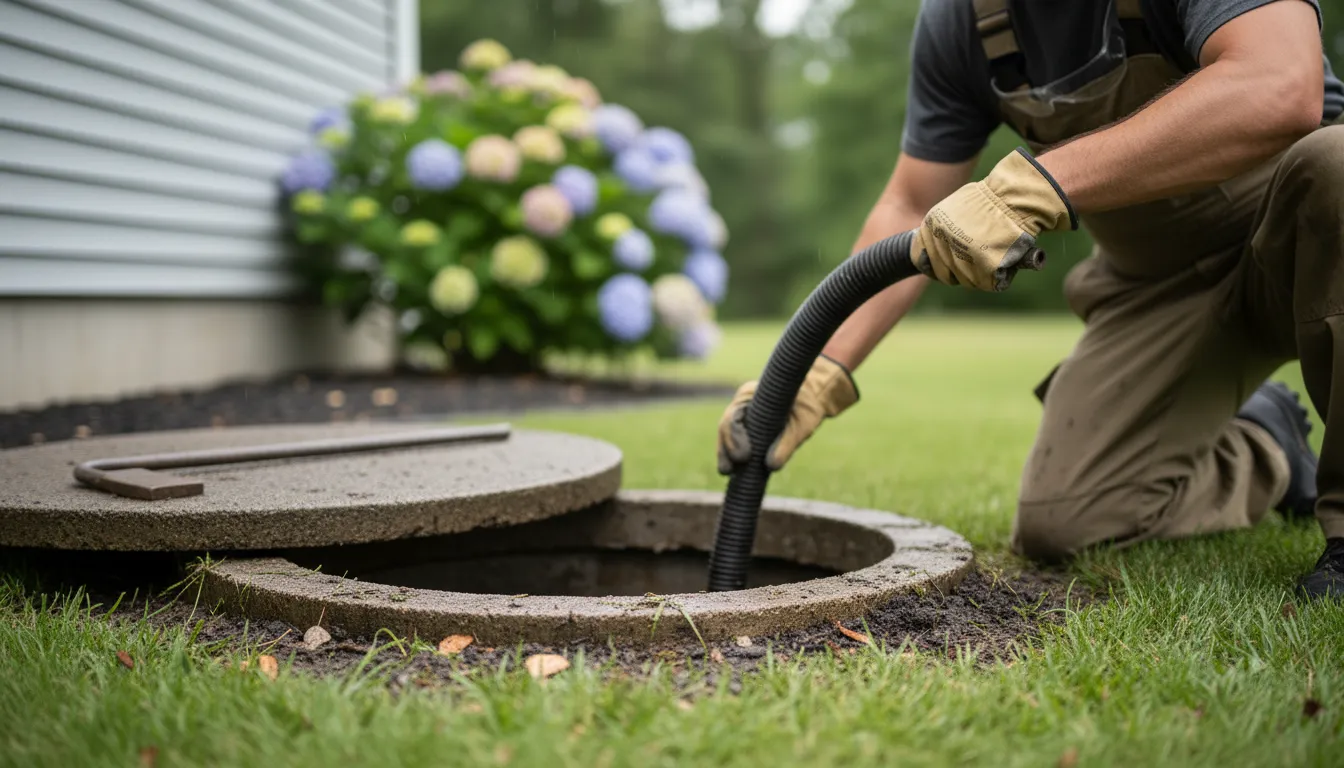
Find the Best Septic Tank Pumping Contractors for Your Business
No obligation • Fast responses • Nationwide coverage

Why you can trust Septic Spot
Septic Spot is a leading United States resource for understanding and comparing septic services. Our editors review providers using consistent criteria and verify key business details. Listings and scores are independent, and companies cannot pay to influence our content.
Search providers near you
Top Septic Tank Pumping Contractors in Lubbock, Texas Ranked
Maintaining your septic system is a crucial responsibility for homeowners in Lubbock who are not connected to the municipal sewer. Septic tank pumping is the essential service of removing accumulated solids and sludge from your tank to prevent system failure, backups, and environmental contamination. This guide explains why regular maintenance matters, outlines local recommendations and costs, and helps you understand how to find qualified local professionals to ensure your system operates smoothly for years to come.
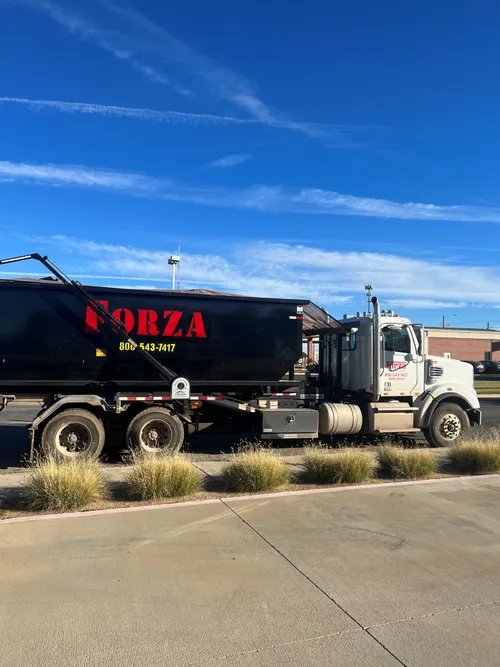
Forza Site Services Dumpster Rental & Portable Toilets
2515 86th St, Lubbock, TX 79423
Forza Site Services Dumpster Rental & Portable Toilets is a locally owned and family-operated company based in Lubbock, TX. They provide a range of site services including roll-off dumpster rentals, portable restrooms, and septic pumping. Their service area covers the Permian Basin, West Texas, and Eastern New Mexico, with specific septic service available in Lubbock and nearby cities. Forza specializes in equipment for construction sites, oilfield, and renewable energy sectors, offering capabilities such as aboveground septic tanks and concrete washouts. The company emphasizes eco-friendly waste management practices and maintains 24/7 availability to support their customers' needs.
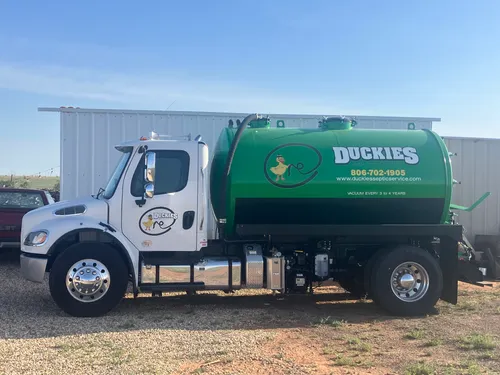
Duckies Septic Service
130 Leon, Lubbock, TX 79407
Duckies Septic Service is a family-owned company based in Lubbock, TX, offering a range of septic system services. They provide septic tank pumping, vacuuming, sewer pipe jetting, new septic system installations, and plumbing repairs. Serving Lubbock, Smyer, and surrounding areas, they bring over 17 years of plumbing experience to the septic industry. Their licensed team focuses on efficient and reliable solutions tailored to residential septic needs.

Berryhill Sewer Service Inc.
3421 N Loop 289, Lubbock, TX 79415
Berryhill Sewer Service Inc. is a family-owned septic tank pumping company serving Lubbock, TX, and the surrounding West Texas areas. Established in 1946, this veteran-owned business offers a range of services including septic pumping, grease trap and mud pit pumping, portable toilet rentals, and holding tanks for commercial construction. The company is licensed, insured, and Gatefeed certified, providing reliable septic system maintenance with nearly 80 years of experience. They also offer discounts for veterans and first responders and provide free same-day service estimates with next-day local service availability.
Understanding Your Septic System
A septic system is an on-site wastewater treatment structure, commonly used in rural and suburban areas like many parts of Lubbock County. The system typically consists of a large underground tank and a drain field. Wastewater from your home flows into the tank, where solids settle to the bottom as sludge, and oils and grease float to the top as scum. The liquid effluent in the middle layer then flows out into the drain field, where it is further treated by the soil.
The septic tank pumping process involves a professional using a large vacuum truck to remove all the contents of the tank-sludge, scum, and liquid. This prevents the solids from overflowing into the drain field, which can clog the soil and cause a costly system failure. Regular septic service is not just about removing waste; it's a proactive measure to protect your property value and the local groundwater.
Recommended Pumping Frequency for Lubbock Homes
How often you need to schedule septic tank cleaning depends on several factors, including tank size, household size, and overall water usage. General guidelines suggest pumping every 3 to 5 years for a conventional system. However, local experts and state agencies provide more specific advice for Texas conditions.
In Lubbock, septic tanks should generally be pumped every 3 to 5 years. However, more frequent septic tank maintenance is often necessary. For households with many occupants or those using a garbage disposal, which adds more solids, pumping every 1 to 3 years is recommended. Smaller tanks (under 750 gallons) also require more frequent attention to avoid overloading.
Key Factors Influencing Your Schedule:
- Household Size: More people generate more wastewater and solids.
- Tank Size: A smaller tank fills with sludge faster.
- Water Usage: Excessive water from laundry, long showers, or leaks can push solids out of the tank prematurely.
- Garbage Disposal Use: Disposals significantly increase the amount of solids entering the tank.
Signs Your Septic Tank Needs Pumping
Don't wait for a disaster. Be aware of these warning signs that indicate your tank may be full and requires immediate septic pumping service:
- Slow Drains: Sinks, showers, and toilets that drain slowly, especially if plunging doesn't help.
- Foul Odors: Unpleasant sewage smells inside your home or around the tank and drain field area.
- Gurgling Sounds: Noises coming from your plumbing pipes.
- Sewage Backup: Wastewater backing up into household drains.
- Lush, Wet Drain Field: An area of grass over the drain field that is unusually green, spongy, or wet when the rest of the yard is dry.
If you notice any of these signs, it's important to contact a professional for an inspection and likely a pump-out as soon as possible to prevent more extensive damage 1.
Aerobic Treatment Unit (ATU) Maintenance
Many homes in the Lubbock area utilize Aerobic Treatment Units (ATUs). These systems use oxygen to break down waste more efficiently and typically discharge treated effluent via a sprinkler system. They require a higher level of septic system maintenance.
Texas regulations generally require that aerobic systems are inspected by a licensed maintenance provider at least three to four times per year 2 3. These inspections check mechanical components like aerators, pumps, and alarms. Pumping an aerobic tank may also be needed more frequently based on sludge depth and manufacturer specifications. Due to these requirements, maintaining an ATU often involves a professional service contract and is typically more costly than maintaining a conventional system 4.
What to Expect: The Pumping Process and Cost
Understanding the septic tank pumping cost and process can help you plan for this necessary expense. When a technician arrives, they will locate and uncover your tank's access lids. They will then insert a large hose and vacuum all material from the tank into their truck. A thorough professional may also briefly inspect the tank's baffles and inlet/outlet pipes for issues.
In Lubbock, pumping costs typically range between $290 and $7005 6. The final price depends on:
- Tank Size and Capacity: Larger tanks cost more to pump.
- Amount of Solids: Tanks that are severely overdue will have more solidified sludge, which can be more labor-intensive to remove.
- Accessibility: If the tank lids are buried deep or under obstacles, there may be an extra charge to dig them up.
- System Type: As noted, pumping an aerobic system may be at the higher end of the range due to added complexity.
For a very small tank (under 750 gallons), some services may offer lower pricing, potentially in the $150 to $250 range, but this is less common for standard residential systems 7 8.
Find the perfect septic tank pumping contractors for your needs
Get personalized recommendations and expert advice
Texas and Local Regulations
Homeowners in Texas are responsible for maintaining their On-Site Sewage Facilities (OSSFs), commonly known as septic systems. The Texas Commission on Environmental Quality (TCEQ) regulates these systems. Key regulations and recommendations include:
- Licensed Pumpers: Always use a registered sludge transporter to pump your tank. You can verify a company's credentials via the searchable TCEQ database.
- Inspection Intervals: TCEQ recommends inspecting conventional systems every 1 to 3 years 9. For aerobic systems, the required inspection frequency is set by the manufacturer and is typically 3-4 times annually.
- Drain Field Protection: Never drive, park, or build structures over your drain field. Compacting the soil can ruin its ability to treat wastewater.
- Proper Waste Disposal: Only human waste and toilet paper should be flushed. Avoid chemicals, grease, diapers, and wipes, even if labeled "flushable."
Choosing a Service Provider in Lubbock
Selecting the right company for septic tank emptying is important. Look for providers who are:
- Licensed and Insured: Confirm they are registered with the TCEQ as sludge transporters.
- Local and Experienced: A company familiar with Lubbock's soil types and common system designs.
- Transparent: Willing to provide a clear, upfront estimate and explain what their service includes.
- Reputable: Check online reviews and ask for references from neighbors.
A good service visit should include not just pumping, but also a basic visual check of your tank's components and a conversation about your system's health and any observed issues.
Long-Term System Care and Prevention
Beyond periodic pumping, you can extend the life of your septic system with smart habits:
- Conserve Water: Spread out laundry loads and fix leaky faucets to avoid hydraulically overloading the system.
- Landscape Carefully: Plant only grass over the drain field; tree roots can cause major damage.
- Keep Records: Maintain a log of all pumping, inspections, and repairs.
- Plan for Inspection: Even if not pumping, consider having a conventional system inspected every few years to catch small problems early.
Proper septic system care is an investment that prevents emergencies and protects your home's sanitation infrastructure.
Frequently asked questions
Sources
Footnotes
-
Maintenance of On-Site Sewage Facilities (Septic Systems) - https://www.tceq.texas.gov/permitting/ossf/ossfmaintenance.html ↩
-
Texas Septic System Regulations - https://dillonseptic.com/texas-septic-system-regulations/ ↩
-
Septic System - Texas Water Resources Institute - https://twri.tamu.edu/wp-content/uploads/2024/04/em-126-septic-system-maintenance-inspection-pocket-guide.pdf ↩
-
Frequent Questions on Septic Systems | US EPA - https://www.epa.gov/septic/frequent-questions-septic-systems ↩
-
Local Guide to Septic Tank Pumping in Lubbock, TX - https://lubbockseptictankpumping.com/septic-tank-pumping-in-lubbock-tx/ ↩
-
Septic Pumping in Lubbock, TX - WasteDoor - https://wastedoor.com/texas/lubbock/septic-pumping ↩
-
How Much Does It Cost to Pump a Septic Tank? - https://www.wholesalesepticsupply.com/blogs/news/how-much-does-it-cost-to-pump-a-septic-tank ↩
-
Septic Tank Pumping Cost: Guide & Pricing in 2025 - Splash Plumbing - https://www.splashplumbing.com/how-much-does-it-cost-to-pump-septic-tank-understanding-pricing-and-factors-involved/ ↩
-
On-Site Sewage Facilities (Septic Systems): General Information - Texas Commission on Environmental Quality - www.tceq.texas.gov - https://www.tceq.texas.gov/permitting/ossf/ossfgeneral.html ↩