Find the Best Septic Tank Pumping Contractors for Your Business
No obligation • Fast responses • Nationwide coverage

Why you can trust Septic Spot
Septic Spot is a leading United States resource for understanding and comparing septic services. Our editors review providers using consistent criteria and verify key business details. Listings and scores are independent, and companies cannot pay to influence our content.
Search providers near you
Top Septic Tank Pumping Contractors in College Station, Texas Ranked
Maintaining your septic system is a crucial responsibility for homeowners in College Station. Regular septic tank pumping and inspection are essential to prevent system failures, protect your property value, and safeguard local groundwater. This guide provides a detailed overview of septic system maintenance, local regulations, and what to expect from professional services, helping you make informed decisions for your home's wastewater treatment.
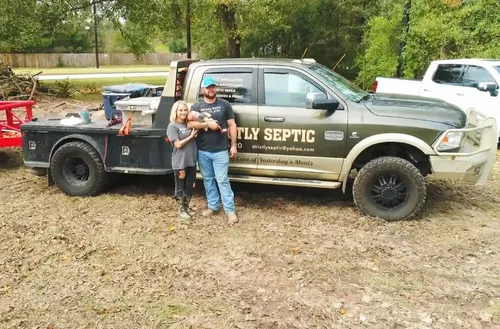
Strictly Septic Service
8874 FM 1696, Bedias, TX 77831
Strictly Septic Service is a family-owned company based in Bedias, TX, serving Houston and nearby communities within a 35-mile radius, including parts of Grimes, Madison, Walker, Leon, Brazos, and Robertson counties. They provide a full range of septic services such as installation, inspection, pumping, maintenance, and repair for residential and commercial systems. Their capabilities include custom septic system design and eco-friendly waste disposal methods that comply with local regulations. With decades of industry experience, Strictly Septic Service offers personalized solutions and guidance through permitting and inspections to ensure efficient septic system operation.
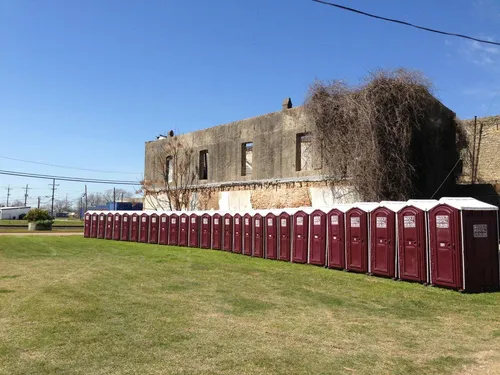
Madole Rental
7641 SH 30, Anderson, TX 77830
Madole Rental is a family-owned septic tank pumping company based near College Station, TX. They provide a range of services including septic pumping, grease trap pumping, RV pumping, and holding tank rentals. The company has over 35 years of experience serving a wide area including Madisonville, Midway, Huntsville, Washington, Anderson, Plantersville, and many other nearby communities. They also offer luxury portable toilets and event rentals suitable for construction sites, festivals, and tailgating parties.

Aerobic System Inspection & Maintenance
4700 Elmo Weedon Rd suite 116, College Station, TX 77845
Aerobic System Inspection & Maintenance is a septic tank pumping, inspection, repair, and installation company serving College Station, TX. They specialize in maintaining and installing aerobic septic systems, with factory certification on most brands. The company has been serving the Brazos Valley area for over eleven years, providing services such as septic system design, troubleshooting, repairs, maintenance, excavation, and pumping. They also offer consulting and supply septic chlorine tablets and parts.
Understanding Your Septic System in Brazos County
Most homes in the College Station area rely on On-Site Sewage Facilities (OSSFs), commonly known as septic systems. These systems are private wastewater treatment plants for properties not connected to a municipal sewer line. A typical system includes a septic tank, where solids settle and begin to decompose, and a drain field (or leach field), where treated liquid effluent is dispersed into the soil. Proper maintenance, centered on timely septic tank cleaning and septic system inspection, is the key to a long-lasting, trouble-free system. Neglect can lead to backups, foul odors, and costly environmental damage.
Local Regulations: What College Station Homeowners Need to Know
Septic system maintenance in Texas is governed by the Texas Commission on Environmental Quality (TCEQ), with local enforcement often handled at the county level. For Brazos County and College Station, specific rules apply to ensure public health and environmental protection.
- Mandatory Inspection Frequency: The City of College Station explicitly recommends that all septic systems be inspected by a licensed professional at least every three years. This inspection is separate from and in addition to routine pumping.
- Recommended Pumping Schedule: While inspection is required every three years, the actual need for septic tank emptying varies. The standard guidance is to pump your tank every 3 to 5 years 1 2. However, this depends heavily on tank size and household usage.
- Aerobic System Requirements: Many homes in the area have aerobic treatment systems (ATUs). These systems, which use oxygen to break down waste more efficiently, have stricter maintenance mandates. They often require professional servicing every 3 to 4 months to check aerators, spray heads, and alarms to remain compliant with TCEQ regulations.
Failing to adhere to these schedules can result in system malfunctions and potential violations. Keeping records of all maintenance and inspections is highly advised.
The Professional Septic Pumping Process
Knowing what happens during a service visit can help you prepare and ensure the job is done correctly. A standard septic tank pumping service involves several key steps:
- Locating and Uncovering the Tank: The technician will locate the tank's access lids, which may require some digging if they are buried.
- Initial Inspection: Before pumping, a quick visual check of the inlet and outlet baffles and the tank's water level can reveal potential issues.
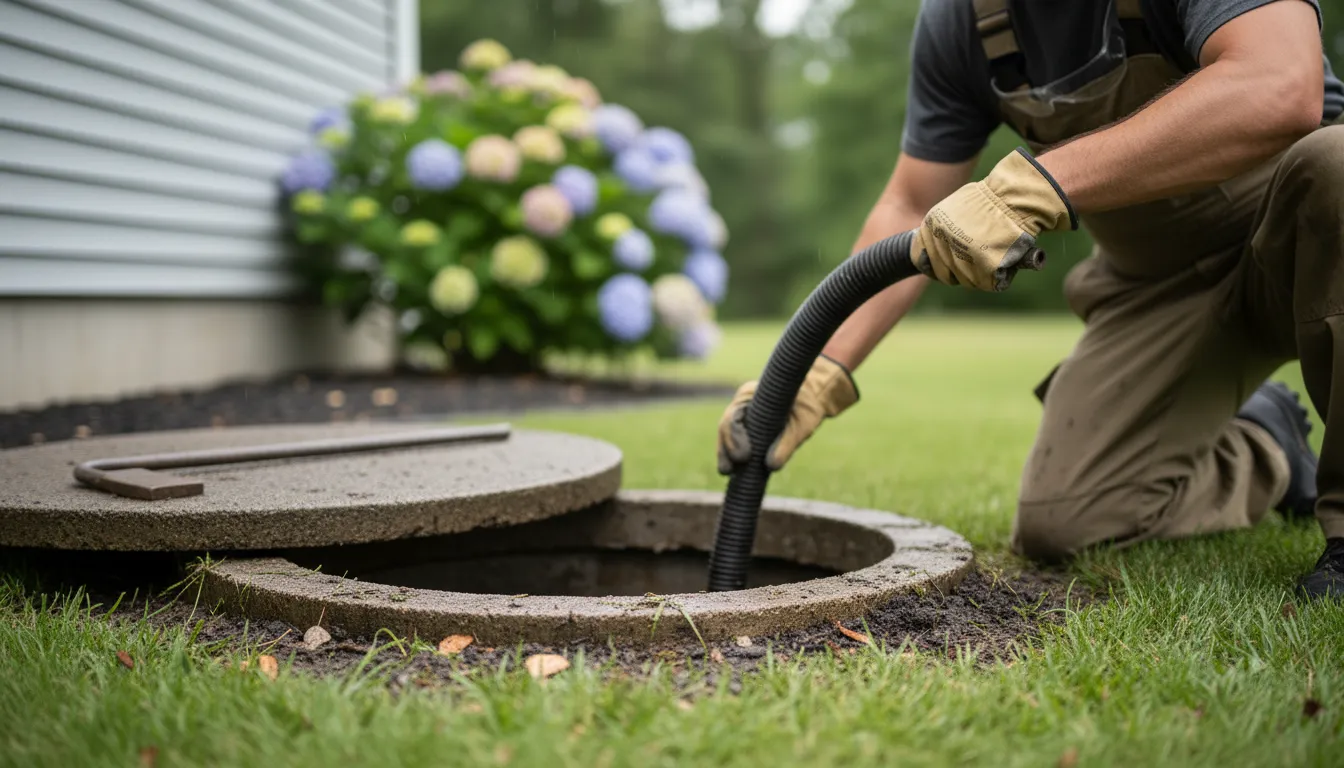
- Pumping and Vacuuming: A large truck-mounted hose is inserted into the tank to vacuum out all solids and sludge, completely emptying the septic tank.
- System Rinse (Optional): Some providers may rinse the tank walls with clean water to dislodge remaining scum and debris, which is then vacuumed out.
- Final Inspection & Advice: After pumping, the technician should inspect the empty tank for cracks, baffle integrity, and the condition of any effluent filter. They will then replace the lids securely and provide recommendations for your next service.
A thorough provider will also visually assess your drain field for signs of surfacing effluent or soggy ground, which indicate potential failure.
What Does a Comprehensive Septic Inspection Cover?
A professional inspection goes far beyond just checking the tank level. When you schedule a septic system inspection in College Station, the licensed professional should evaluate several critical components 3:
- Tank Integrity: Checking for cracks, leaks, and the condition of baffles and tees that prevent solids from escaping into the drain field.
- Effluent Filter: Cleaning and assessing the filter (if present) that provides an additional barrier to protect the drain field.
- Aerobic System Components: For ATUs, this includes testing the aerator or air pump, checking spray heads or drip irrigation emitters for clogs, and verifying that all alarms (for high water, pump failure, etc.) are operational 4.
- Drain Field Evaluation: Looking for signs of failure, such as overly lush vegetation, soggy soil, or unpleasant odors in the yard.
- Dosing Tanks & Pumps: Ensuring pumps, floats, and electrical components in systems with lift or dosing stations are functioning properly.
This detailed inspection is your best defense against unexpected and expensive repairs.
Find the perfect septic tank pumping contractors for your needs
Get personalized recommendations and expert advice
Cost of Septic Services in College Station
The cost to pump a septic tank in the College Station area is not fixed and depends primarily on the tank's size and its accessibility. Based on local industry data, you can expect the following general price ranges 5 6:
- Small Tanks (1,000 gallons or less): $250 - $350
- Medium Tanks (1,000 - 1,500 gallons): $300 - $400
- Large Tanks (1,500 - 2,000 gallons): $400 - $500
Additional costs may apply for initial digging if lids are buried, for repairing or replacing damaged components like baffles or filters, or for inspecting and servicing aerobic system mechanical parts. Always request a detailed estimate before work begins.
Maintaining Your System Between Professional Visits
Professional septic tank servicing is essential, but what you do daily has a huge impact. Follow these tips to keep your system healthy:
- Conserve Water: Fix leaks and spread out laundry loads to avoid hydraulically overloading the system.
- Mind What You Flush: Only human waste and toilet paper should go down the drain. Never flush wipes (even "flushable" ones), feminine hygiene products, dental floss, or cooking grease.
- Use Septic-Safe Products: Choose toilet paper that breaks down easily and use mild, biodegradable cleaning products. Avoid harsh chemicals, antibacterial soaps, and excessive bleach.
- Protect Your Drain Field: Never park vehicles or build structures over it. Plant only grass or shallow-rooted vegetation over the field to prevent root intrusion and aid in evaporation 7.
Signs Your Septic Tank Needs Immediate Attention
Don't wait for your scheduled maintenance if you notice any of these warning signs. Contact a septic professional promptly if you experience:
- Slow drains or gurgling plumbing fixtures throughout the house.
- Sewage backups in toilets, showers, or sinks.
- Unpleasant odors around the house or yard, particularly near the tank or drain field.
- Exceptionally lush, green grass or soggy, spongy soil over the drain field.
- An alarm sounding from your aerobic system control panel.
Addressing these issues quickly can prevent a full system failure, which is far more disruptive and expensive to repair.
Choosing a Local Septic Service Provider
When selecting a company for septic tank maintenance or septic system repair, consider the following:
- Licensing & Insurance: Ensure the company is licensed by the TCEQ as a Registered Maintenance Company (RMC) and carries proper insurance.
- Local Experience: Choose a provider familiar with Brazos County soil conditions and local regulations.
- Range of Services: Look for a company that offers pumping, inspections, repairs, and installation for future needs.
- References & Reviews: Check online reviews and ask for references from past customers in the College Station area.
- Detailed Reporting: After service, you should receive a detailed report of findings, any issues detected, and recommendations for future care.
Frequently asked questions
Sources
Footnotes
-
On-Site Sewage Facilities | City of College Station - https://www.cstx.gov/business-development/engineering/on-site-sewage-facilities/ ↩
-
What's the Recommended Schedule for Septic Pumping? - https://allproseptictexas.com/2020/12/whats-the-recommended-schedule-for-septic-pumping/ ↩
-
Texas OSSF Inspection Requirements: Complete Guide for 2025 - https://www.fieldbaseos.com/blog/texas-ossf-inspection-requirements.html ↩
-
The Ultimate Guide to Aerobic Septic System Maintenance & ... - https://epicseptic.com/the-ultimate-guide-to-aerobic-septic-system-maintenance-repairs-in-central-texas/ ↩
-
Cost to Pump Septic Tank: Tips to Save on Cleaning Fees - https://ivanssiteservices.com/blog/cost-to-pump-septic-tank-what-to-expect-and-how-to-save/ ↩
-
How Much Does It Cost to Pump a Septic Tank? - https://www.wholesalesepticsupply.com/blogs/news/how-much-does-it-cost-to-pump-a-septic-tank ↩
-
Frequently Asked Questions | On-Site Sewage Facilities (OSSF) - https://ossf.tamu.edu/frequently-asked-questions/ ↩