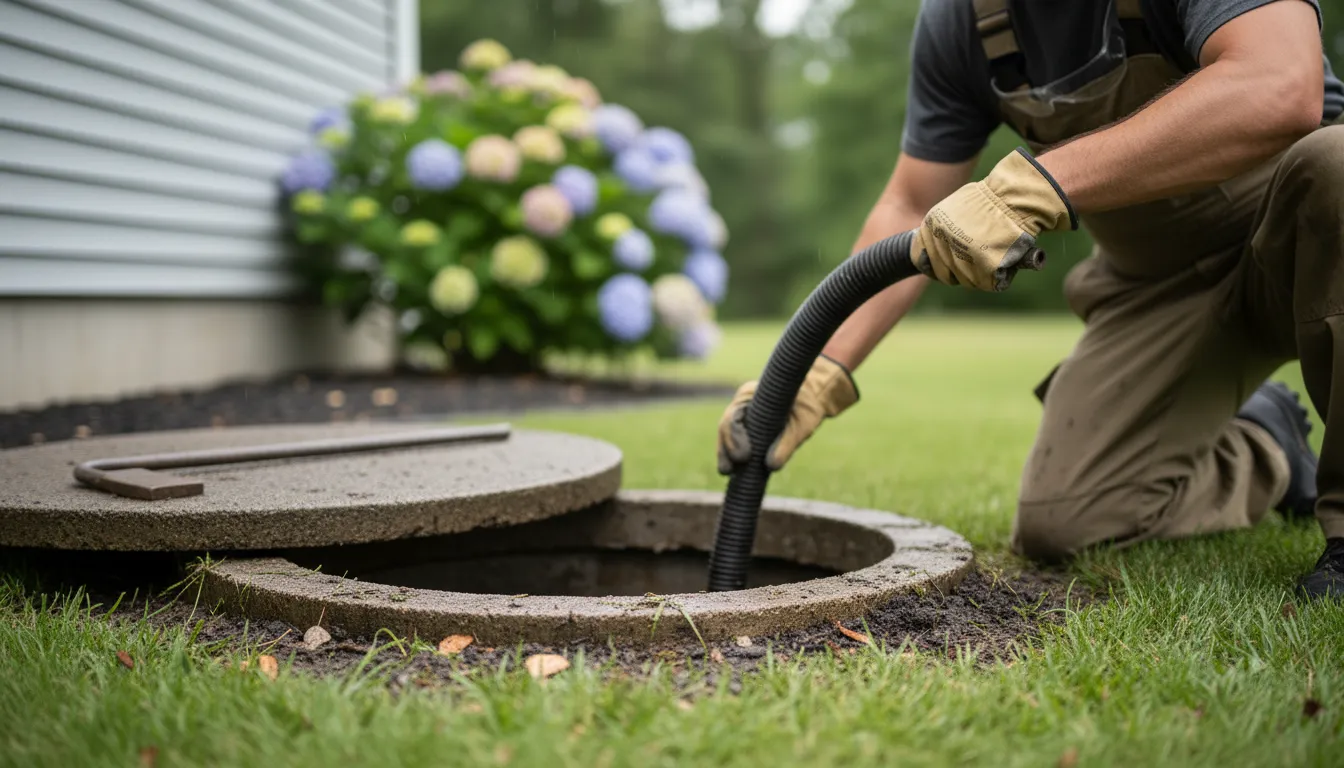
Find the Best Septic Tank Pumping Contractors for Your Business
No obligation • Fast responses • Nationwide coverage

Why you can trust Septic Spot
Septic Spot is a leading United States resource for understanding and comparing septic services. Our editors review providers using consistent criteria and verify key business details. Listings and scores are independent, and companies cannot pay to influence our content.
Search providers near you
Top Septic Tank Pumping Contractors in San Antonio, Texas Ranked
Maintaining your septic system is a critical responsibility for any homeowner not connected to a municipal sewer line. Septic tank pumping is the essential process of removing accumulated solids and sludge from your tank to prevent system failure, backups, and costly environmental damage. This service matters because a well-maintained system protects your property value, your family's health, and local groundwater. For San Antonio residents, navigating local Bexar County regulations and finding a qualified professional is key. The information here is designed to help you understand the process, timing, and local requirements for septic maintenance so you can make informed decisions for your home.
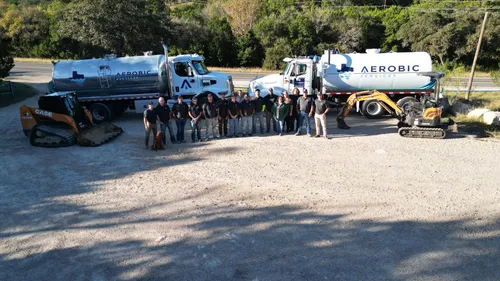
Aerobic Services
15188 FM306, Canyon Lake, TX 78133
Aerobic Services is a septic tank pumping and installation company serving San Antonio, TX, and the surrounding Central Texas area. They offer residential and commercial septic system services including installation, maintenance, and pumping to ensure proper wastewater management. Established in 1999, Aerobic Services has over 20 years of experience in the wastewater industry and is recognized as one of the larger wastewater companies in Texas.
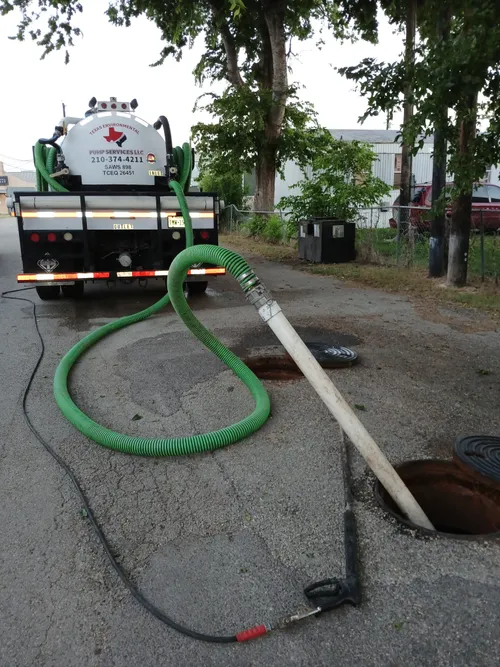
Texas Environmental Pump Services LLC
San Antonio, TX
Texas Environmental Pump Services LLC is a family-owned septic and grease pumping company based in San Antonio, TX. They serve both residential and commercial customers, including homes, restaurants, and businesses. The company is licensed by the Texas Commission on Environmental Quality (TCEQ) and offers septic tank and grease trap pumping, routine maintenance, and preventive inspections. They provide emergency and after-hours services to support their community when needed.
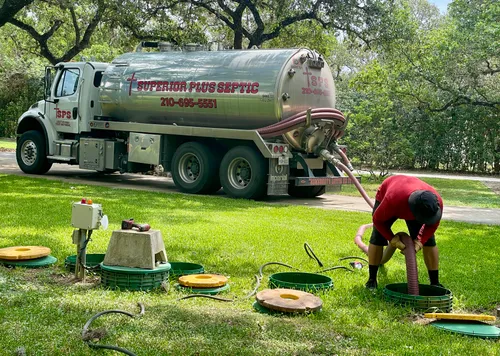
Superior Plus Septic Service
San Antonio, TX
Superior Plus Septic Service provides septic tank pumping and inspection services in San Antonio, TX, and surrounding areas including Helotes, New Braunfels, Schertz, Boerne, and Universal City. The company has been operating since 2001 and offers residential septic system maintenance, including riser lid installation and aerobic system pumping. They use industry-leading tools and techniques and are fully insured. Superior Plus Septic Service also offers 24/7 availability for septic emergencies, ensuring timely support when needed.
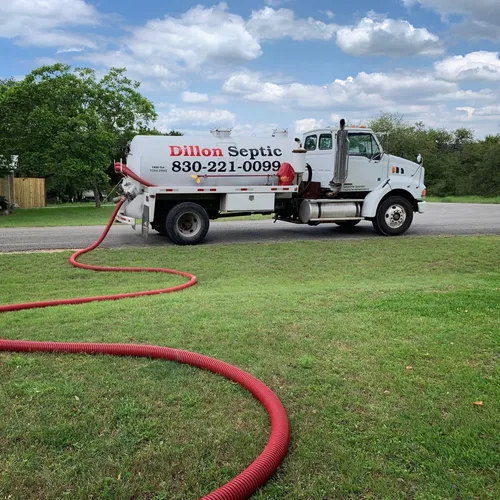
Dillon Septic
136 Sycamore Cir, Spring Branch, TX 78070
Dillon Septic offers a full range of septic services including pumping, inspections, repairs, and new installations for residential and commercial properties in San Antonio, TX. The company has years of experience and a skilled team that handles all aspects of septic system care, ensuring efficient and reliable operation. Dillon Septic is licensed and trained to provide maintenance, emergency repairs, and complete system installations with a focus on clear communication and tailored solutions.

DryNow Restoration & Plumbing
136 Sycamore Cir, Spring Branch, TX 78070
DryNow Restoration & Plumbing provides septic system services in San Antonio, TX, covering residential and commercial properties. The company offers a full range of septic solutions including pumping, inspections, repairs, and new installations. Their team is experienced in maintaining and restoring septic systems to ensure proper function and safety. DryNow Restoration & Plumbing emphasizes personalized service and clear communication to address each customer's specific needs.
Understanding Your Septic System and Maintenance Needs
A septic system is an on-site wastewater treatment facility, commonly referred to as an On-Site Sewage Facility (OSSF) in Texas. It consists of a watertight tank where solids settle and begin to decompose, and a drainfield where the treated liquid effluent is dispersed into the soil. Over time, the solids that cannot be broken down accumulate as sludge at the tank's bottom. If this layer becomes too thick, it can flow into the drainfield, causing clogs, sewage backups into your home, and system failure. Regular septic system pumping is the most important preventative measure you can take.
The need for maintenance isn't just about convenience; it's a legal requirement. In Texas, septic systems are regulated by the Texas Commission on Environmental Quality (TCEQ), and local counties like Bexar enforce additional rules. Proper upkeep ensures your system operates safely without contaminating groundwater, which is a shared resource in our community.
Recommended Pumping Frequency for San Antonio Homes
How often should you schedule septic tank cleaning? While a general rule exists, your household's specific characteristics determine the ideal schedule.
- Standard Guideline: For a typical household in San Antonio, septic tanks should be pumped every 3 to 5 years. This is the baseline recommended by experts and state guidelines.
- Key Determining Factor: The most accurate method is to have the sludge and scum levels measured by a licensed technician during an inspection. Pumping is recommended when solids occupy 25-33% of the tank's total liquid capacity.
- Household Variables: Your family size and water usage dramatically impact the schedule. A large family or a home with garbage disposals and high water use will fill the tank faster, potentially requiring pumping every 1-2 years. Conversely, a smaller household with a large tank may extend the interval beyond five years 1.
- Bexar County's 5-Year Rule: A crucial local regulation mandates that owners of standard aerobic treatment systems (Type II) must renew their Operation Permit every five years. A key component of this renewal is submitting a maintenance report, which is typically a pumping receipt from a licensed provider. This makes a 5-year service call a regulatory necessity for many homeowners.
Skipping regular maintenance is a gamble. A failed drainfield can cost tens of thousands of dollars to replace, far exceeding the cost of routine pumping.
What to Expect: The Septic Pumping Process
When you hire a professional for septic tank service, they follow a standardized process to ensure thorough, safe, and compliant work.
- Locating & Accessing the Tank: The technician will locate the tank and its access lids (manholes). Texas regulations require systems to have operational inspection or cleanout ports over the inlet and outlet 2. If lids are buried, they may need to be excavated.
- Initial Inspection: Before pumping, a good technician will perform a brief visual inspection of the tank's interior, inlet, and outlet baffles for damage or blockages.
- Pumping: Using a large tank truck with a powerful vacuum hose, all liquid and solid waste is pumped out of the tank. The material is then transported to an approved wastewater treatment facility for disposal.
- Post-Pump Inspection & Advice: After the tank is empty, the technician can better inspect the tank's structure. They should also provide advice on your system's condition and note any potential issues, such as root intrusion or baffle damage.
- Providing Documentation: You will receive a detailed receipt or service report. Keep this document. It serves as proof of maintenance for Bexar County permit renewal and for your own home records.
Find the perfect septic tank pumping contractors for your needs
Get personalized recommendations and expert advice
Cost of Septic Pumping in San Antonio
The price for septic tank pumping in San Antonio is not fixed but varies based on several factors. Understanding these can help you interpret quotes.
- Average Cost Range: Typical pumping costs in the area range from $375 to $750 3 4.
- Primary Cost Factors:
- Tank Size: Larger tanks (e.g., 1,500-gallon) hold more waste and take longer to pump, costing more than a standard 1,000-gallon tank.
- Accessibility: If the tank lids are buried deep or located under a deck, patio, or landscaping, extra labor for excavation will increase the price.
- Condition of the Tank: Tanks that are overly full or have hardened sludge may require additional effort or even a special jetting process to break up the material.
- Additional Services: The base pumping fee often excludes repairs, filter cleaning, or drainfield inspections, which are billed separately.
While cost is a consideration, the most important factor is hiring a licensed septic service technician. They have the training to perform the job correctly and in compliance with TCEQ regulations, and their work will be recognized by Bexar County officials 5 6.
Best Practices for Septic System Care
Pumping is essential, but day-to-day care extends your system's life and maximizes time between service calls.
- Conserve Water: Spread out laundry loads, fix leaky faucets, and install high-efficiency fixtures. Sudden large volumes of water can overwhelm the tank.
- Mind What You Flush: Only human waste and toilet paper should go down the drain. Never flush wipes (even "flushable" ones), feminine hygiene products, dental floss, grease, coffee grounds, or chemicals like paint thinner. These clog the system and kill the beneficial bacteria.
- Protect the Drainfield: Never drive or park vehicles on the drainfield, as the weight compacts the soil and crushes pipes. Plant trees and large shrubs far away from the area to prevent root intrusion. Keep roof drains and sump pumps directed away from the drainfield.
- Optimal Pumping Timing: It's often recommended to schedule pumping during drier seasons. An empty tank is buoyant, and a high groundwater table during rainy periods can increase the risk of tank flotation or shifting 7.
Local Regulations and Compliance in Bexar County
San Antonio homeowners must adhere to both state and county septic system rules.
- TCEQ Oversight: The Texas Commission on Environmental Quality sets the baseline standards for design, installation, and maintenance of all OSSFs.
- Bexar County Health Department: The county's On-Site Sewage Facilities program administers and enforces these rules locally. They issue permits for new installations, repairs, and operation 8.
- The Critical Permit: Most standard aerobic systems require a County Operation Permit. As noted, renewing this permit every five years is mandatory, and a pumping receipt is a standard part of the renewal application. Failing to renew can result in penalties.
- Professional Requirement: All inspections, repairs, and pumping must be performed by a technician licensed by the TCEQ. Using an unlicensed individual may result in work that is not recognized for permit purposes and could void system warranties.
Staying proactive with maintenance and documentation is the simplest way to ensure compliance and avoid issues with county authorities.
Frequently asked questions
Sources
Footnotes
-
Septic Systems | Department of Environmental Protection - https://www.pa.gov/agencies/dep/residents/my-water/septic-systems ↩
-
30 Tex. Admin. Code § 285.32 - Criteria for Sewage Treatment ... - https://www.law.cornell.edu/regulations/texas/30-Tex-Admin-Code-SS-285-32 ↩
-
Septic System - Texas Water Resources Institute - https://twri.tamu.edu/wp-content/uploads/2024/04/em-126-septic-system-maintenance-inspection-pocket-guide.pdf ↩
-
How Much Does a Septic Tank Cleaning Cost in 2025? - https://swenvironmental.com/how-much-does-a-septic-tank-cleaning-cost-in-2025-a-complete-guide-for-homeowners/ ↩
-
On-Site Sewage Facilities (Septic Systems): General Information - https://www.tceq.texas.gov/permitting/ossf/ossfgeneral.html ↩
-
Texas Septic Tank Rules - https://dillonseptic.com/texas-septic-tank-rules/ ↩
-
What's the Recommended Schedule for Septic Pumping? - https://allproseptictexas.com/2020/12/whats-the-recommended-schedule-for-septic-pumping/ ↩
-
On-Site Sewage Facilities | Bexar County, TX - Official Website - https://www.bexar.org/3218/On-Site-Sewage-Facilities ↩