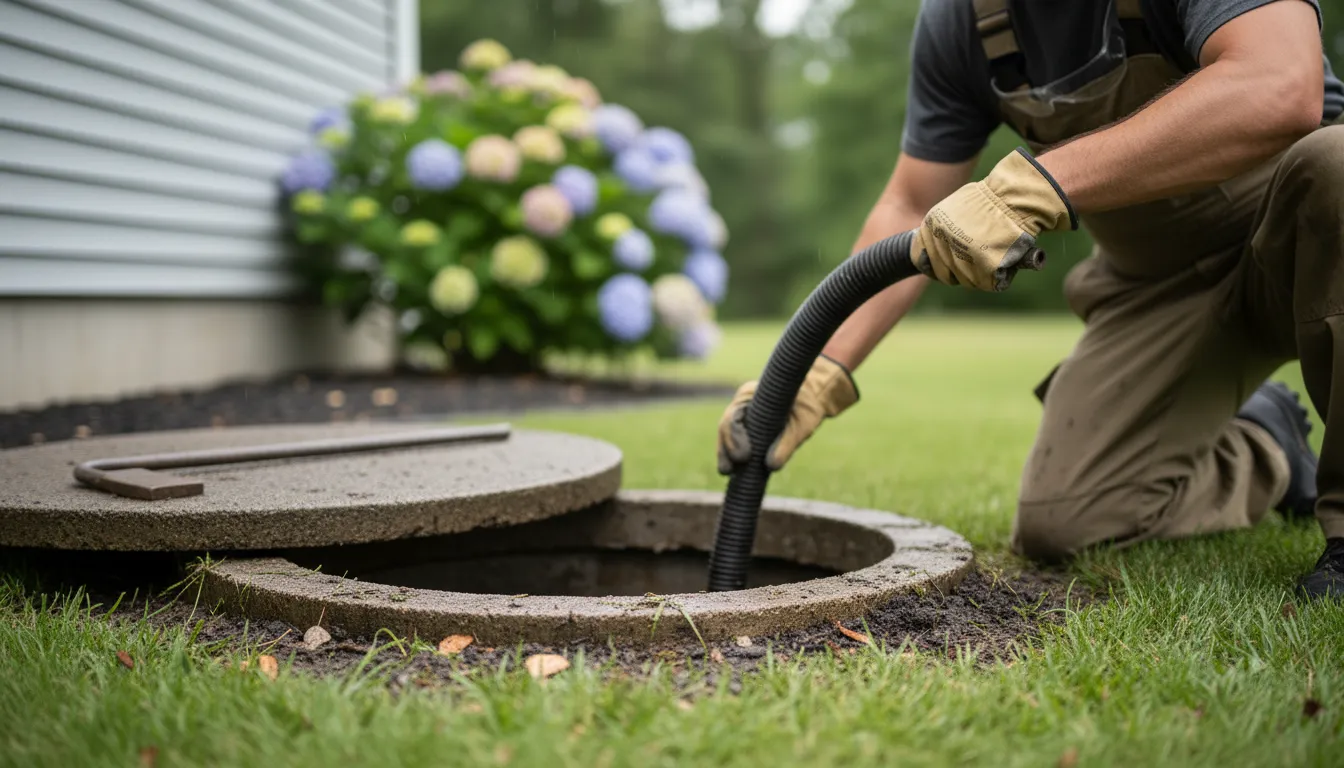
Find the Best Septic Tank Pumping Contractors for Your Business
No obligation • Fast responses • Nationwide coverage

Why you can trust Septic Spot
Septic Spot is a leading United States resource for understanding and comparing septic services. Our editors review providers using consistent criteria and verify key business details. Listings and scores are independent, and companies cannot pay to influence our content.
Search providers near you
Top Septic Tank Pumping Contractors in Tyler, Texas Ranked
Maintaining a healthy septic system is a crucial responsibility for homeowners not connected to municipal sewer lines. Septic tank pumping is the essential service of removing accumulated solids from your tank to prevent backups, odors, and costly system failure. For Tyler residents, understanding local guidelines and finding a reliable service provider ensures your system functions properly for years, protecting your property and the local environment. This guide provides the key information you need to schedule maintenance and evaluate local septic service companies.
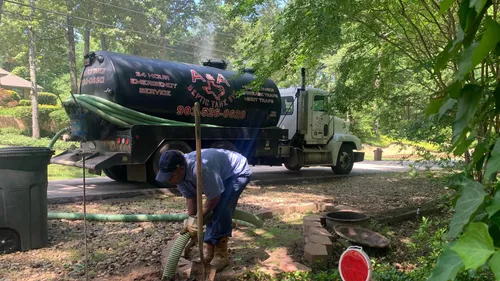
A & A Septic Tank Service
1331 W Elm St, Tyler, TX 75702
A & A Septic Tank Service is a family-owned company serving Tyler, TX, specializing in septic tank pumping and installation. They provide a variety of services including aerobic system pumping, lift station pumping, and grease trap cleaning. With expertise in septic system installation tailored to property needs, they have been operating since 2001. The company also offers emergency call services throughout their service area.
Rub-A-Dub Plumbing
13213 State Hwy 155 Ste A, Tyler, TX 75703
Rub-A-Dub Plumbing is a plumbing company based in Tyler, TX, offering a range of services including septic tank pumping, inspection, repair, and installation. They serve Tyler and surrounding areas such as Lindale, Longview, Athens, and Cedar Creek Lake. With over 25 years of experience, Rub-A-Dub Plumbing provides comprehensive septic system services and is equipped to handle plumbing emergencies with 24/7 availability. Their technicians undergo continuous training and background checks to ensure skilled and trustworthy service.
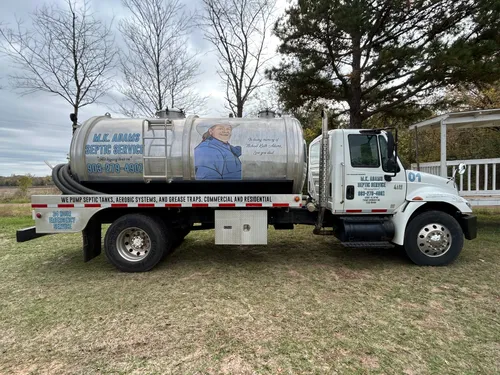
M.K. Adams Septic Service
Tyler, TX
M.K. Adams Septic Service is a licensed septic tank pumping, installation, repair, and maintenance company based in Tyler, TX. The business is operated by Melania Adams, who named the company in honor of her late father's trucking business. They provide a full range of septic services throughout the Tyler area, including system installation and repair. M.K. Adams Septic Service holds state certifications for septic system installation and maintenance, ensuring compliance with Texas regulations.
C9 Septic & Irrigation
23283 County Rd 448, Lindale, TX 75771
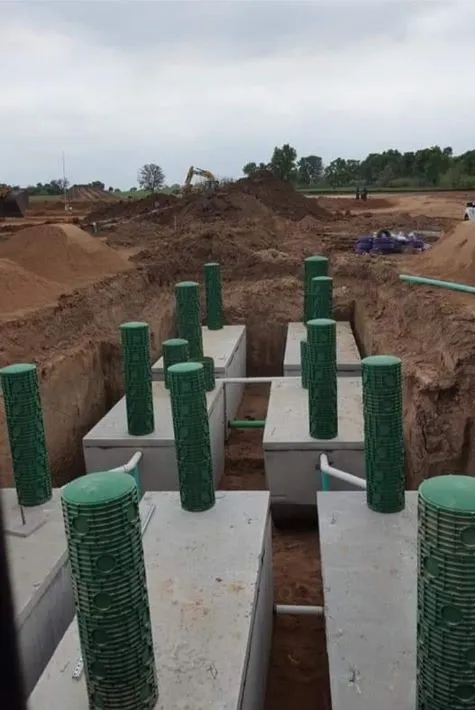
C9 Septic & Irrigation is a family-owned business serving Tyler, TX, and surrounding East Texas counties since 2020. They provide a range of septic services including installation, pumping, repairs, and inspections for both residential and commercial properties. The company is licensed and certified by the Texas Commission on Environmental Quality, offering site evaluations and maintenance contracts to ensure septic systems meet local standards. Additionally, they provide irrigation system design and installation, along with landscaping services. The owner is actively involved on-site to oversee projects and maintain service quality.
Marco Septic Service
Tyler, TX
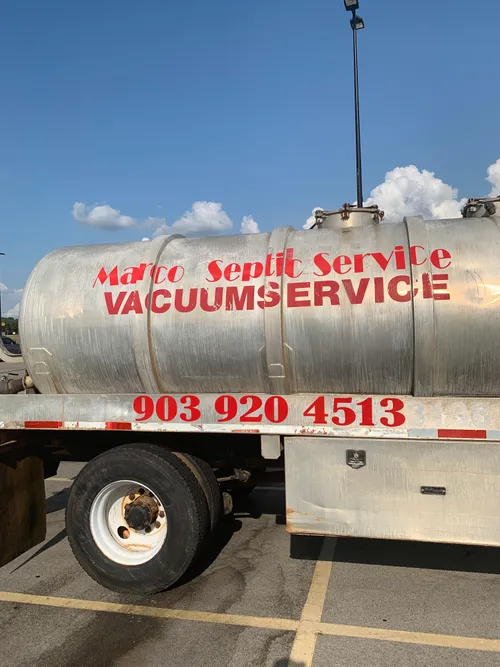
Marco Septic Service provides comprehensive septic system services in Tyler, TX, including septic tank pumping, inspection, repair, and installation. The company handles all aspects of septic system maintenance and repair, ensuring systems are durable and environmentally safe. Marco Septic Service covers Tyler and surrounding areas such as New Chapel Hill, Liberty, and Whitehouse. The business emphasizes professional handling of repairs and installations to prevent leaks and extend system lifespan.
Why Regular Septic Maintenance is Essential in Smith County
Your septic system is a silent workhorse, treating all the wastewater from your home. When a tank isn't pumped periodically, solids (sludge and scum) build up beyond capacity. This can force solids into the drain field, clogging the soil and leading to sewage backing up into your home or surfacing in your yard. Regular septic system pumping is the most effective preventative measure you can take. In Tyler's varied soil conditions, a failing drain field can be exceptionally expensive to repair or replace. Proactive maintenance is always more affordable than emergency repairs or a full system replacement.
Recommended Pumping Frequency for Tyler Homes
How often you need to pump your tank isn't one-size-fits-all; it depends on your household size, tank capacity, and water usage. General guidelines from the Texas Commission on Environmental Quality (TCEQ) suggest septic tanks should be pumped every 3 to 5 years. However, several factors common in East Texas households can necessitate more frequent service.
- Average Households: For a typical family of four with a standard 1,000-gallon tank, the 3-5 year guideline is a good starting point 1.
- High Usage or Small Tanks: If your home has more residents, uses a garbage disposal frequently, or has a smaller-than-average tank, you should plan for septic cleaning every 2-3 years 2 3.
- Aerobic Treatment Systems: Many newer homes in the area utilize aerobic systems, which introduce oxygen to break down waste more efficiently. These systems have mechanical components and often require more frequent maintenance, typically under an annual service contract with a licensed provider.
The most accurate way to determine your schedule is to have your sludge and scum levels measured during an inspection.
What to Expect: The Pumping and Inspection Process
A professional septic tank service involves more than just removing waste. A thorough provider will follow a process that ensures your entire system is evaluated.
- Locating and Accessing the Tank: The technician will locate your tank and risers. Texas regulations require tanks to have accessible inspection and cleanout ports, which makes this process smoother 4.
- Inspecting the System: Before pumping, a good technician will inspect the tank's inlet and outlet baffles to ensure they are intact and clear. They will also check for signs of cracks, leaks, or root intrusion. This inspection is a critical part of the service.
- Pumping the Tank: Using a vacuum truck, all liquid and solid waste is pumped from the tank. The waste is then transported to a licensed disposal facility, as required by Texas law for registered sludge transporters.
- Post-Service Evaluation: After pumping, the technician may run water to check the flow from the house to the tank and can offer observations about your drain field's condition based on liquid levels.
Understanding Costs for Septic Pumping in Tyler
The cost for septic tank emptying in Tyler is relatively consistent. For a standard 1,000-gallon tank, the average price is around $268 5. Most homeowners can expect the price to fall within a range of $246 to $290 for this core service 5. Remember, this is a baseline. Your final cost may be higher if your tank is larger, if the access ports are buried and need to be dug up, if you require additional repairs, or if you add a comprehensive inspection service. Always ask for a detailed estimate before work begins.
Find the perfect septic tank pumping contractors for your needs
Get personalized recommendations and expert advice
How to Choose a Reliable Service Provider
Selecting the right company for your septic system maintenance is important. Here are key points to consider:
- Licensing and Insurance: Always verify the company is licensed by the state of Texas to transport and dispose of septage. Ask for proof of insurance to protect yourself from liability.
- Local Experience: A company familiar with Smith County's soil types and common system designs will be more efficient and can offer better long-term advice.
- Services Offered: Some companies specialize only in pumping, while others offer full-service maintenance, inspections, repairs, and installation. Choosing a full-service provider can simplify your long-term care.
- Reviews and References: Check online reviews and ask for references from recent customers in the Tyler area.
Best Practices for Homeowners Between Pumpings
You can extend the time between necessary pumpings and protect your system's health with smart habits.
- Conserve Water: Spread out laundry loads and fix leaky faucets to avoid overwhelming the system.
- Mind What You Flush: Only human waste and toilet paper should go down the drain. Never flush wipes (even "flushable" ones), feminine hygiene products, diapers, or paper towels 6 7.
- Dispose of Grease and Chemicals Properly: Never pour cooking grease, oil, or harsh chemicals (like paint thinner or bleach in large quantities) down the drain. These can kill the essential bacteria in your tank and contaminate groundwater 8.
- Keep Detailed Records: Maintain a file with every inspection report, pumping receipt, and diagram of your system's location. This is invaluable for future service and if you sell your home 9 10.
Local Regulations and Resources in Tyler
Homeowners in Tyler and Smith County must adhere to Texas state regulations governed by the TCEQ. It's your responsibility to ensure your system is properly maintained. For the most current rules, especially regarding new installations or major repairs, you can consult the Smith County Environmental Health Department or the TCEQ website directly 11. Always use licensed professionals for any work on your system, as improper handling can lead to environmental contamination and significant fines.
Frequently asked questions
Sources
Footnotes
-
Texas Septic Tank Rules - https://dillonseptic.com/texas-septic-tank-rules/ ↩
-
Septic Systems | Department of Environmental Protection - https://www.pa.gov/agencies/dep/residents/my-water/septic-systems ↩
-
Texas Septic System Regulations - https://dillonseptic.com/texas-septic-system-regulations/ ↩
-
30 Tex. Admin. Code § 285.32 - Criteria for Sewage Treatment ... - https://www.law.cornell.edu/regulations/texas/30-Tex-Admin-Code-SS-285-32 ↩
-
Tyler Septic Systems Costs & Prices - ProMatcher Cost Report - https://septic-systems.promatcher.com/cost/tyler-tx-septic-systems-costs-prices.aspx ↩ ↩2
-
Septic Tank Laws in Texas - https://dillonseptic.com/septic-tank-laws-in-texas/ ↩
-
Higher Level Treatment System - https://www.jeffco.us/4802/Higher-Level-Treatment-System ↩
-
Septic system maintenance and environmental impact - Facebook - https://www.facebook.com/groups/PLANFallRiver/posts/1446530129360853/ ↩
-
Septic System - Texas Water Resources Institute - https://twri.tamu.edu/wp-content/uploads/2024/04/em-126-septic-system-maintenance-inspection-pocket-guide.pdf ↩
-
Does Texas Require Septic Inspection - TexInspec - https://texinspec.com/does-texas-require-septic-inspection/ ↩
-
On-Site Sewage Facilities (Septic Systems): General Information - Texas Commission on Environmental Quality - www.tceq.texas.gov - https://www.tceq.texas.gov/permitting/ossf/ossfgeneral.html ↩