Find the Best Septic Tank Pumping Contractors for Your Business
No obligation • Fast responses • Nationwide coverage

Why you can trust Septic Spot
Septic Spot is a leading United States resource for understanding and comparing septic services. Our editors review providers using consistent criteria and verify key business details. Listings and scores are independent, and companies cannot pay to influence our content.
Search providers near you
Top Septic Tank Pumping Contractors in El Paso, Texas Ranked
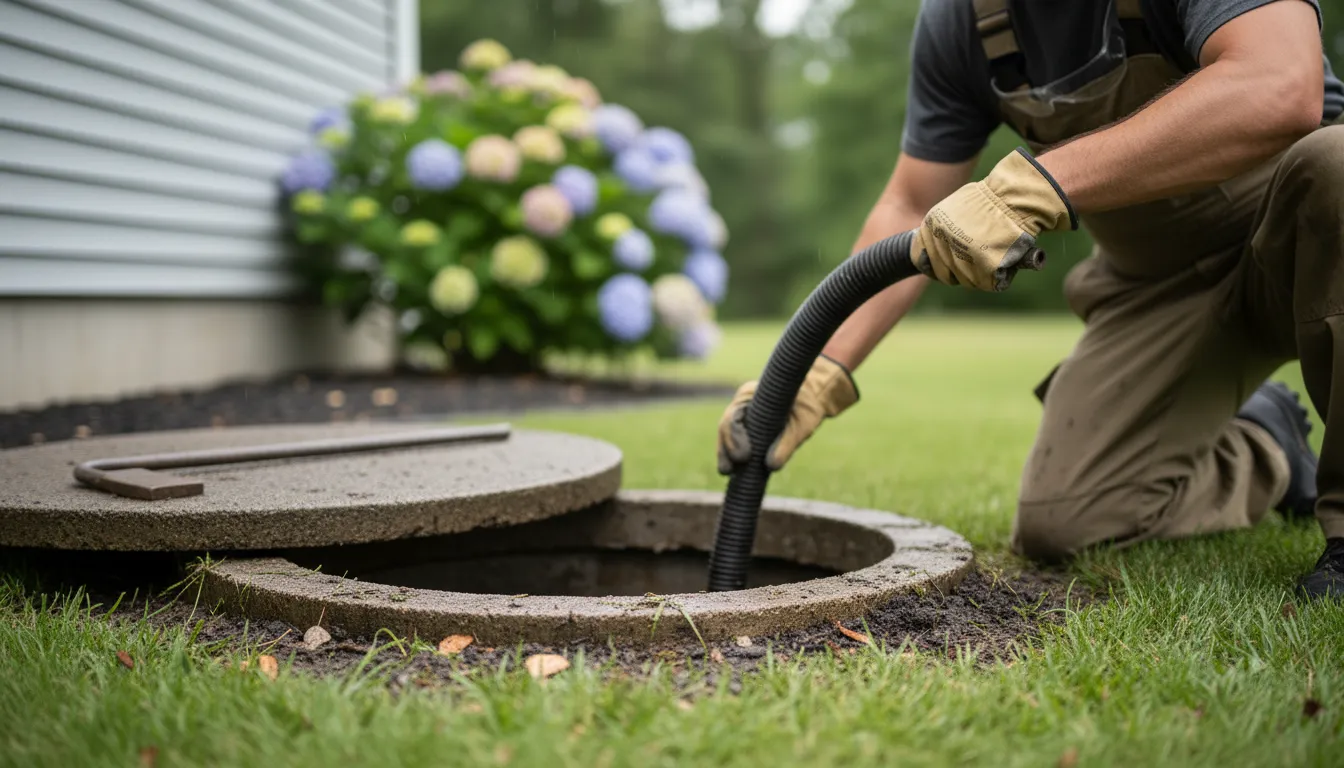
Maintaining your septic system is a critical responsibility for any El Paso homeowner not connected to the municipal sewer. Septic tank pumping is the essential process of removing accumulated solids from your tank to prevent system failure, environmental contamination, and costly repairs. This guide explains why regular septic maintenance matters in our region, outlines local regulations, and helps you understand how to find qualified professionals to keep your system functioning properly for years to come.
Brunson's Pump Service
9365 Escobar Dr Bldg A, El Paso, TX 79907
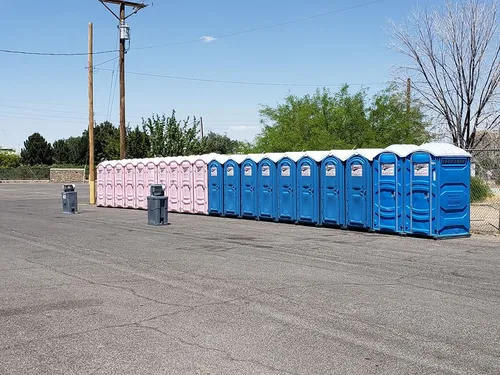
Brunson's Pump Service is a septic tank pumping company located in El Paso, TX. They offer a range of portable sanitation services including porta potty rentals, luxury restroom trailers, handwashing stations, temporary fence rentals, and septic tank pumping. Serving construction sites, outdoor events, and emergency situations in El Paso and surrounding areas, they bring over 25 years of experience to their work. Brunson's Pump Service is known for providing clean, well-maintained units and has an A+ rating from the BBB.
Ivans Site Services
1010 Horizon Blvd, Socorro, TX 79927
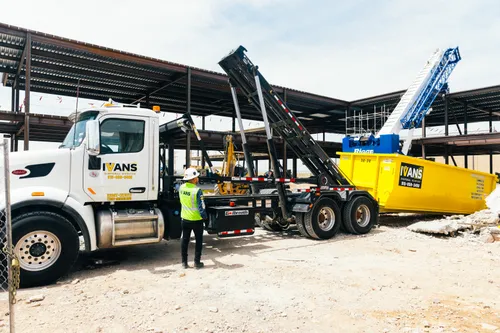
Ivans Site Services is a family-run, woman-owned company based in El Paso, TX, offering a comprehensive range of site services including septic tank pumping, portable sanitation, waste management, fencing, and construction equipment rentals. Serving El Paso and surrounding areas, the company provides OSHA-approved portable toilets, hand washing stations, and pumping services for septic, grease, and sand traps. With over 30 years of experience since 1990, Ivans Site Services emphasizes quality equipment and responsible environmental practices to support safe and efficient project sites.
Why Septic System Maintenance is Non-Negotiable in El Paso
An On-Site Sewage Facility (OSSF), commonly known as a septic system, is a self-contained wastewater treatment plant on your property. In areas of El Paso County without centralized sewer lines, these systems are vital. The arid climate and specific soil conditions in our region make proper care even more important. A failing system can lead to sewage backing up into your home, polluting groundwater, or creating unhealthy conditions in your yard. Regular pumping and inspection are the best defenses against these problems, protecting your home's value and your family's health.
Understanding Pumping Frequency: It's Not One-Size-Fits-All
The most common question homeowners have is, "How often should I pump my septic tank?" While a general rule of thumb suggests every 3 to 5 years, the exact schedule for your El Paso home depends on several key factors1 2.
- Tank Size and Household Size: This is the primary driver. A 1,000-gallon tank serving a family of four will typically need cleaning every 2.5 to 3 years 3. Smaller tanks or larger households generate waste faster, potentially requiring service every 1-2 years4.
- Overall Water Usage: Excessive water from long showers, frequent laundry loads, or leaky fixtures overwhelms the tank, reducing settling time and speeding up sludge accumulation.
- What Goes Down the Drain: Garbage disposals significantly increase solid waste. Flushing non-biodegradable items like wipes, feminine hygiene products, or cooking grease can clog the system and necessitate more frequent pump-outs.
The only reliable way to know your tank's status is to have it inspected by a licensed professional. They can measure the sludge and scum layers to give you a precise recommendation.
The Cost of Septic Tank Pumping in El Paso
Investing in routine pumping is far less expensive than dealing with a failed drain field or major repair. In the El Paso area, the typical cost for a standard residential septic tank pumping service ranges from $300 to $6005 6. This price can vary based on:
- Tank Size and Accessibility: Larger tanks cost more to pump. If the tank's access ports are buried or difficult for trucks to reach, the price may increase.
- Condition of the Tank: If the tank hasn't been pumped in many years, the solidified sludge may require additional labor or specialized equipment.
- Additional Services: Most pumping visits include a basic inspection of the tank's components. You may incur extra fees for a full system inspection, repairing a damaged baffle, or locating the tank if its location is unknown.
Find the perfect septic tank pumping contractors for your needs
Get personalized recommendations and expert advice
Local Regulations and Permits in El Paso County
El Paso County Public Health (EPCPH) oversees On-Site Sewage Facilities to ensure they are designed, installed, and maintained properly to protect public health and water quality. Homeowners should be aware of several key regulations:
- Permits and Applications: Any new septic system installation or major repair requires a permit. As per county documents, a residential septic permit costs $190, with an additional $300 fee for site plan review7. All applications must be submitted by a state-licensed installer8 7.
- Inspection Requirements: For new systems, especially in areas like the Highway 24 West corridor, the county may require "profile pits" to be open for soil inspection during the permitting process. Furthermore, for aerobic treatment units (ATUs), state law requires that maintenance providers report inspection results directly to the local permitting authority (El Paso County)9.
- Professional Licensing: Always verify that the company you hire is licensed by the Texas Commission on Environmental Quality (TCEQ) to perform OSSF maintenance, pumping, and repair10. This ensures they understand state and local codes.
Best Practices to Extend Time Between Pumpings
You can take an active role in maintaining your system's health and efficiency, which can help lengthen the time between necessary pumpings.
- Conserve Water: Spread out laundry loads, fix dripping faucets and running toilets promptly, and consider installing water-efficient fixtures.
- Mind What You Flush: Only human waste and toilet paper should go down the toilet. Avoid flushing chemicals, paints, oils, medications, cat litter, and any so-called "flushable" wipes.
- Use Garbage Disposals Sparingly: Compost food scraps instead. Using a disposal frequently can double the rate of solid accumulation in your tank11.
- Protect Your Drain Field: Never park vehicles or build structures over the drain field. Keep roof drains, sump pumps, and other surface water away from the area to prevent saturation.
- Keep Detailed Records: Maintain a log of all pumping dates, inspections, repairs, and the system's design (known as the "as-built" diagram). This is invaluable for troubleshooting and for future homeowners.
Signs Your Septic Tank Needs Immediate Attention
Don't wait for a complete failure. Contact a septic service professional if you notice any of these warning signs:
- Slow Drains: Sinks, showers, and toilets that drain slowly, especially if gurgling sounds are present.
- Unpleasant Odors: Sewage smells inside your home or around the yard near the tank or drain field.
- Soggy Lawn: Unexpectedly lush, wet, or spongy grass over the drain field, particularly when it hasn't rained.
- Sewage Backup: The most severe sign-wastewater backing up into household drains.
Finding a Reliable Septic Service Provider
Choosing the right company is crucial. Look for providers who:
- Hold a current TCEQ license for OSSF maintenance.
- Have strong local references and a good reputation in the El Paso community.
- Provide clear, written estimates before beginning work.
- Can explain the process and your system's condition in terms you understand.
- Offer a range of services, including pumping, inspection, and repairs.
Frequently asked questions
Sources
Footnotes
-
Septic Tank Laws in Texas - https://dillonseptic.com/septic-tank-laws-in-texas/ ↩
-
Septic Systems | Department of Environmental Protection - https://www.pa.gov/agencies/dep/residents/my-water/septic-systems ↩
-
Discover the Recommended Septic Tank Pumping Frequency: 5 Facts! - https://www.unitedsewerservice.com/recommended-septic-tank-pumping-frequency/ ↩
-
How Long Should You Wait Between Septic Pumping Services? - https://allproseptictexas.com/2025/02/how-long-should-you-wait-between-septic-pumping-services/ ↩
-
Septic Tank Pumping Frequency: Crucial Maintenance Guide - https://septic911.com/septic-tank-pumping-frequency/ ↩
-
Understanding the Average Cost to Pump a Septic Tank - https://www.scorpionsepticservices.com/blog/understanding-the-average-cost-to-pump-a-septic-tank ↩
-
El Paso County On-Site Sewage Facility Department - https://www.epcounty.com/publicworks/documents/Application%20Process.pdf ↩ ↩2
-
Onsite Wastewater Treatment Systems - https://www.elpasocountyhealth.org/licenses-permits-inspections-water-testing/onsite-wastewater-treatment-systems/ ↩
-
Basics for Septic Systems - https://www.tceq.texas.gov/assistance/water/fyiossfs.html ↩
-
On-Site Sewage Facilities (Septic Systems): General Information - https://www.tceq.texas.gov/permitting/ossf/ossfgeneral.html ↩
-
HOW OFTEN SHOULD YOU BE PUMPING YOUR SEPTIC TANK? - https://www.sandiegocounty.gov/content/dam/sdc/dpw/WATERSHED_PROTECTION_PROGRAM/WatershedRebates/SRP/PDF/Chart-Septic-Large.pdf ↩