
Find the Best Septic Tank Pumping Contractors for Your Business
No obligation • Fast responses • Nationwide coverage

Why you can trust Septic Spot
Septic Spot is a leading United States resource for understanding and comparing septic services. Our editors review providers using consistent criteria and verify key business details. Listings and scores are independent, and companies cannot pay to influence our content.
Search providers near you
Top Septic Tank Pumping Contractors in Fort Worth, Texas Ranked
Maintaining your septic system is a critical responsibility for any homeowner not connected to a municipal sewer line. Septic tank pumping is the essential service of removing accumulated solids from your tank to prevent system failure, costly repairs, and environmental contamination. For residents of Fort Worth, understanding local regulations, recommended maintenance schedules, and how to connect with qualified professionals is key to protecting your property and investment.

B & B Pumping
7520 Moran Rd, Azle, TX 76020
B & B Pumping is a septic tank pumping company serving Fort Worth, TX, and the surrounding DFW area. They provide septic care services designed to maintain and protect residential and commercial septic systems. With decades of experience, B & B Pumping focuses on reliable septic tank pumping to help keep systems running smoothly.
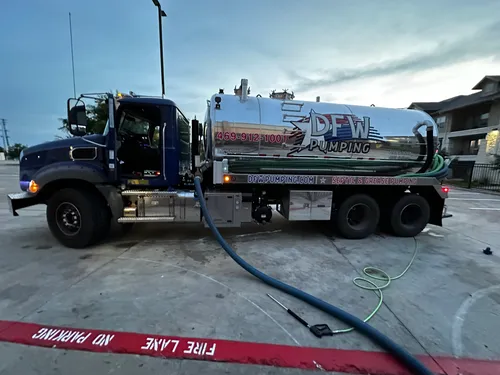
DFW Septic and Grease Services
4881 Montgomery Rd, Midlothian, TX 76065
DFW Septic and Grease Services provides septic tank pumping and inspection services in Dallas, TX. They serve both residential and commercial properties across multiple counties including Ellis, Tarrant, Dallas, Rockwall, Kaufman, Henderson, Navarro, Johnson, and Hill. Their services include septic system cleaning, grease trap maintenance, and thorough onsite inspections for various facilities such as restaurants, retirement homes, and grocery stores. The company offers expert advice and waste collection to help maintain efficient septic systems.
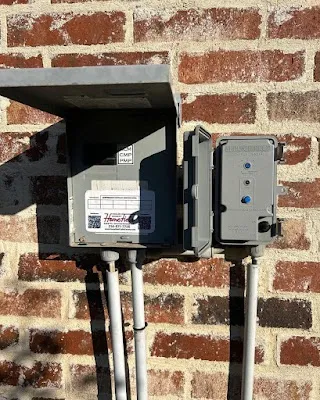
HomeField Parker County
617 Pine St, Aledo, TX 76008
HomeField Parker County is a septic service provider based in Fort Worth, TX, offering comprehensive septic system solutions for both residential and commercial clients. Their services include septic tank pumping, inspections, repairs, installations, drain field replacement, and system design. They also provide real estate septic inspections and maintenance plans to help customers stay compliant with local regulations. HomeField Parker County serves Parker, Johnson, and Hood counties, bringing local expertise to every job. Their team is equipped to handle emergency septic repairs and routine maintenance, ensuring systems operate efficiently and meet current standards.
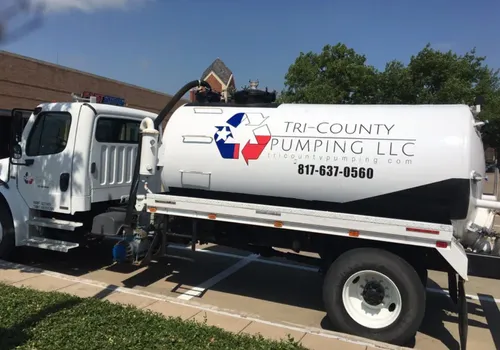
Tri-County Pumping LLC
10964 Blue Sky Dr, Haslet, TX 76052
Tri-County Pumping LLC is a family-owned septic tank pumping company based in Fort Worth, TX. They provide licensed services for both industrial and residential clients, specializing in non-hazardous industrial liquid waste and septic pumping. Their team includes college-degreed and state-licensed professionals who focus on compliance and proper waste management. Tri-County Pumping serves multiple counties including Tarrant, Denton, Wise, Parker, Hood, Johnson, and Dallas. With over 30 years of leadership experience in global operations, engineering, and logistics management, they bring expertise to their service delivery.
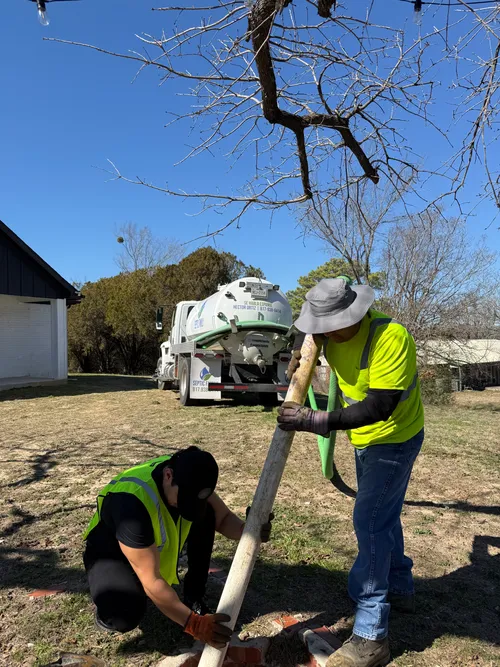
Septic family
545 Harrold St apt 7001, Fort Worth, TX 76107
Septic Family is a septic tank pumping, cleaning, repair, and installation company serving Dallas, TX, and surrounding areas including Fort Worth and multiple nearby communities. The company specializes in both conventional and aerobic septic systems, offering maintenance contracts, installations, and repairs. With 17 years of experience, Septic Family provides bilingual services in English and Spanish and is available 24/7 for septic system needs.
Why Regular Septic Maintenance is Non-Negotiable
Your septic system is a self-contained wastewater treatment plant on your property. When functioning correctly, it safely processes household waste. However, when solids (sludge and scum) are allowed to build up beyond capacity, they can flow into the drain field, clogging the soil and causing sewage to back up into your home or pool on your lawn. This creates a health hazard and can lead to repair bills in the thousands of dollars. Routine septic tank cleaning is the most effective way to avoid these disasters. In Texas, the Texas Commission on Environmental Quality (TCEQ) regulates these on-site sewage facilities (OSSFs) to protect groundwater, a vital resource for the state.
How Often Should You Pump Your Septic Tank in Fort Worth?
The standard recommendation for most residential properties is to schedule septic tank pumping every 3 to 5 years 1. However, this is a general guideline. The exact frequency for your Fort Worth home depends on several key factors:
- Household Size: A home with five or more occupants generates significantly more wastewater and solid waste. For large households, pumping every 2 to 3 years is often necessary to keep the system healthy 2.
- Tank Size: A 1,000-gallon tank will fill with solids faster than a 1,500-gallon tank serving the same number of people. Knowing your tank's capacity is the first step in creating a maintenance plan.
- Overall Wastewater Volume: Garbage disposals, frequent laundry loads, and excessive water use can all accelerate the accumulation of solids in your tank, requiring more frequent service.
The only way to know for sure is through an annual inspection, where a professional measures the sludge and scum layers 3 4.
The Critical Role of Annual Inspections
Think of an annual septic system inspection like a yearly physical for your home's wastewater system. It's a proactive measure that can identify small issues before they become catastrophic failures. During an inspection, a licensed technician will:
- Locate and access the tank and drain field.
- Measure the levels of sludge and scum to determine if pumping is needed.
- Check the structural integrity of the tank, including the baffles and outlet tees.
- Inspect the effluent filter (if present), which must meet specific standards like NSF International Standard 46 5.
- For aerobic systems, inspect and service the aerator, alarm, and spray heads.
Aerobic treatment systems (ATS), common in areas where soil conditions require them, have mechanical components that demand more attention. These systems often require quarterly maintenance visits from a licensed provider to ensure the aerator and pumps are functioning correctly 6 7.
Find the perfect septic tank pumping contractors for your needs
Get personalized recommendations and expert advice
Understanding Septic Service Costs in Fort Worth
The cost of septic maintenance is an investment in your property's longevity. In Fort Worth, prices for routine pumping typically range from $290 to $700, with an average cost around $423 8. Several variables influence the final price:
- Tank Size and Accessibility: Pumping a standard 1,000-gallon tank generally costs between $325 and $700. A larger 1,500-gallon tank ranges from $450 to $1,100 9. Tanks that are buried deep, under landscaping, or difficult for trucks to access may incur additional charges.
- Condition of the System: A well-maintained tank pumped on schedule is straightforward. However, a system that hasn't been serviced in 7+ years may have excessive, hardened sludge, requiring more labor and time, with costs potentially reaching $450 to $1,200 10.
- Type of Service: Emergency or after-hours calls for a septic backup will always cost significantly more than a scheduled, routine appointment.
While price is a consideration, the most important factor is hiring a licensed professional. In Texas, septic service providers must be licensed by the TCEQ to ensure they comply with state regulations for proper waste disposal and system handling 11 12. Using an unlicensed individual can void system warranties, lead to improper disposal, and potentially cause regulatory issues for the homeowner.
What to Expect During a Professional Pumping Service
When you hire a reputable, licensed provider for septic tank servicing, you can expect a thorough process:
- Locating the Tank: The technician will locate the tank lids, which may require some probing if they are buried.
- Initial Inspection: The lids are opened to visually inspect the inlet and outlet baffles and the overall condition inside the tank.
- Pumping: A large hose is inserted, and a vacuum truck removes all liquid and solid waste from the tank. This material is transported to an approved treatment facility.
- Post-Pumping Inspection: After the tank is empty, the technician can perform a more detailed inspection of the tank's walls, baffles, and the effluent filter, cleaning the filter if necessary.
- System Advice: A good technician will provide feedback on the system's health, note any concerns (like root intrusion or baffle damage), and recommend a date for your next pumping based on what they observed.
Protecting Your Drain Field
The drain field (or leach field) is the most expensive component of your septic system to replace. Proper septic tank maintenance is the primary way to protect it. Never pour grease, chemicals, or non-biodegradable items down your drains. Avoid parking or building over the drain field, and divert rainwater runoff away from it. Remember, if the drain field fails due to clogging from solids that should have been pumped out, the only solution is often a complete and very costly replacement.
Choosing the Right Service Provider in Fort Worth
Selecting a qualified company for your septic tank emptying and maintenance is crucial. Always verify that the company holds a current license from the TCEQ. Look for established local companies with positive reviews that emphasize education and transparency. They should be willing to explain what they are doing, show you what they find, and provide a clear, detailed invoice for the work performed. A trustworthy provider views their service as a partnership to help you maintain a functioning, compliant system for years to come.
Frequently asked questions
Sources
Footnotes
-
On-Site Sewage Facilities (Septic Systems): General Information - Texas Commission on Environmental Quality - www.tceq.texas.gov - https://www.tceq.texas.gov/permitting/ossf/ossfgeneral.html ↩
-
How Often to Pump a Septic Tank - Clear River Environmental - https://clearriverenvironmental.com/how-often-to-pump-a-septic-tank/ ↩
-
Fort Worth TX Septic System Service - https://jlgsepticllc.com/service-areas/texas/fort-worth/ ↩
-
Septic Tanks - Preventative Routine Maintenance - https://des.sc.gov/permits-regulations/septic-tanks/homeowner-resources/septic-tanks-preventative-routine-maintenance ↩
-
30 Tex. Admin. Code § 285.34 - Other Requirements | State Regulations - https://www.law.cornell.edu/regulations/texas/30-Tex-Admin-Code-SS-285-34 ↩
-
Texas OSSF Inspection Requirements: Complete Guide for 2025 - https://www.fieldbaseos.com/blog/texas-ossf-inspection-requirements.html ↩
-
All About Septic Tank Plumbing | Benbrook, TX - https://benjaminfranklinplumbingfortworth.com/plumbing-blog/all-about-septic-tank-plumbing-benbrook-tx/ ↩
-
How Much Does It Cost to Pump a Septic Tank? [2026 Data] | Angi - https://www.angi.com/articles/how-much-does-septic-tank-pumping-cost.htm ↩
-
Septic Tank Pumping Cost: Guide & Pricing in 2025 - Splash Plumbing - https://www.splashplumbing.com/how-much-does-it-cost-to-pump-septic-tank-understanding-pricing-and-factors-involved/ ↩
-
Septic Pumping Cost by State: 2024 Complete Price Guide - https://wastedoor.com/article/septic-pumping-cost-by-state ↩
-
Basics for Septic Systems - https://www.tceq.texas.gov/assistance/water/fyiossfs.html ↩
-
Texas Septic System Regulations - https://dillonseptic.com/texas-septic-system-regulations/ ↩