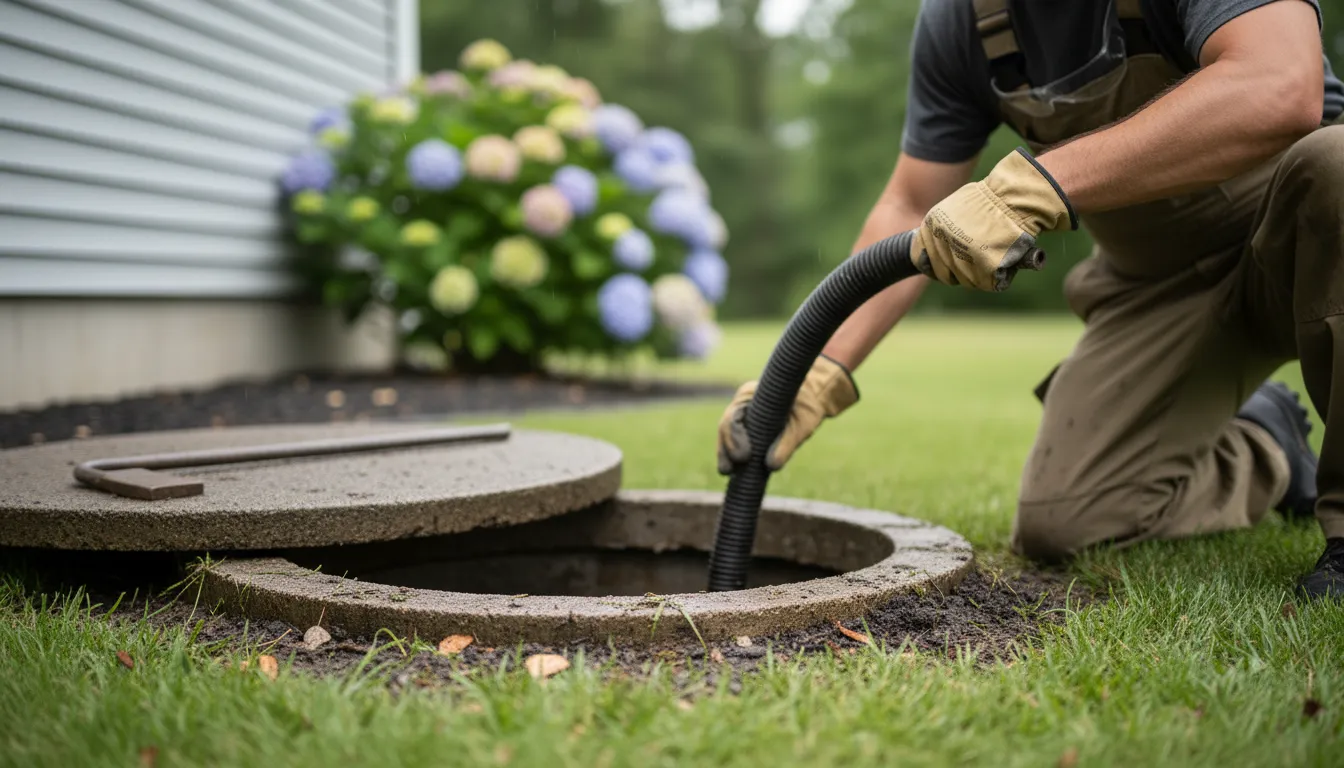
Find the Best Septic Tank Pumping Contractors for Your Business
No obligation • Fast responses • Nationwide coverage

Why you can trust Septic Spot
Septic Spot is a leading United States resource for understanding and comparing septic services. Our editors review providers using consistent criteria and verify key business details. Listings and scores are independent, and companies cannot pay to influence our content.
Search providers near you
Top Septic Tank Pumping Contractors in Grand Prairie, Texas Ranked
Maintaining your septic system is a crucial responsibility for homeowners in Grand Prairie. Septic tank pumping is the essential process of removing accumulated sludge and scum from your tank to prevent system failure, environmental contamination, and costly repairs. This service ensures your On-Site Sewage Facility (OSSF) operates efficiently, protecting your property and public health. The following information will help you understand local requirements, find qualified professionals, and make informed decisions about your system's care.
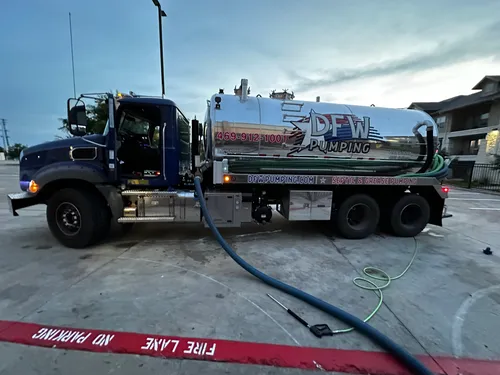
DFW Septic and Grease Services
4881 Montgomery Rd, Midlothian, TX 76065
DFW Septic and Grease Services provides septic tank pumping and inspection services in Dallas, TX. They serve both residential and commercial properties across multiple counties including Ellis, Tarrant, Dallas, Rockwall, Kaufman, Henderson, Navarro, Johnson, and Hill. Their services include septic system cleaning, grease trap maintenance, and thorough onsite inspections for various facilities such as restaurants, retirement homes, and grocery stores. The company offers expert advice and waste collection to help maintain efficient septic systems.
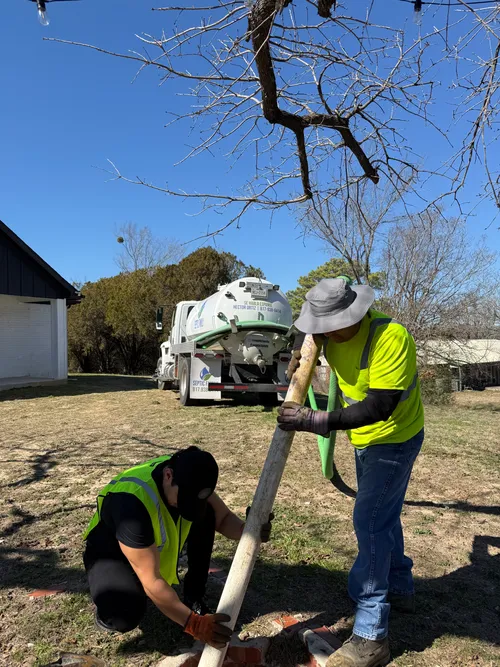
Septic family
545 Harrold St apt 7001, Fort Worth, TX 76107
Septic Family is a septic tank pumping, cleaning, repair, and installation company serving Dallas, TX, and surrounding areas including Fort Worth and multiple nearby communities. The company specializes in both conventional and aerobic septic systems, offering maintenance contracts, installations, and repairs. With 17 years of experience, Septic Family provides bilingual services in English and Spanish and is available 24/7 for septic system needs.
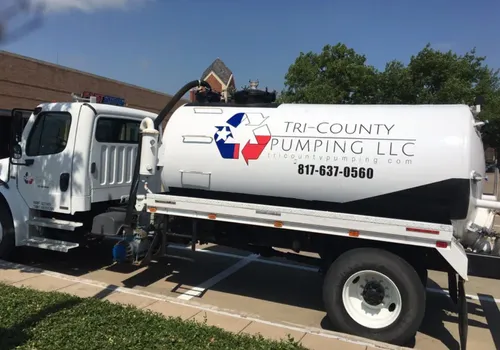
Tri-County Pumping LLC
10964 Blue Sky Dr, Haslet, TX 76052
Tri-County Pumping LLC is a family-owned septic tank pumping company based in Fort Worth, TX. They provide licensed services for both industrial and residential clients, specializing in non-hazardous industrial liquid waste and septic pumping. Their team includes college-degreed and state-licensed professionals who focus on compliance and proper waste management. Tri-County Pumping serves multiple counties including Tarrant, Denton, Wise, Parker, Hood, Johnson, and Dallas. With over 30 years of leadership experience in global operations, engineering, and logistics management, they bring expertise to their service delivery.
Burleson Septic Cleaning
2410 SW Hulen St, Burleson, TX 76028
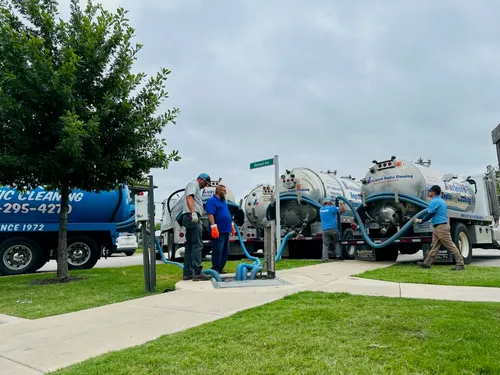
Burleson Septic Cleaning is a family-owned septic service provider based near Dallas, TX, serving Tarrant and Johnson Counties. Since 1972, they have offered residential and commercial septic tank pumping, system cleaning, and repair services. Their team uses state-of-the-art commercial vacuum trucks and specializes in lift station maintenance and repair. With over 50 years of experience, Burleson Septic Cleaning provides true 24/7 emergency service with live operators to handle septic issues anytime.
USA Septic and Sewer Cleaning
4661 Ray White Rd, Fort Worth, TX 76244
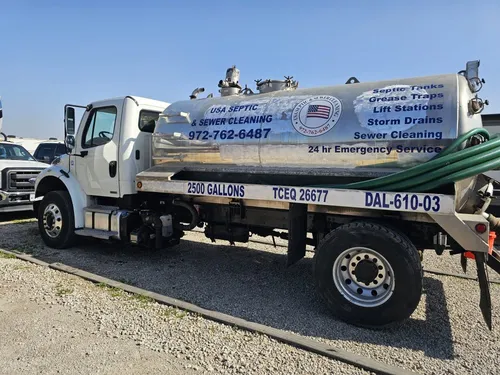
USA Septic and Sewer Cleaning is a licensed septic service provider based near Dallas, TX, serving Fort Worth, Keller, and Tarrant County. They offer septic tank pumping, inspection, system repair, lift station maintenance, and grease trap cleaning for residential and commercial clients. The company provides 24/7 emergency septic and lift station repair services to address backups, overflows, and pump failures promptly. Their team uses advanced equipment to maintain system efficiency and compliance, helping prevent costly repairs and blockages.
Understanding Your Septic System in Grand Prairie
In Grand Prairie, residential wastewater for homes not connected to municipal sewer lines is treated by an On-Site Sewage Facility, commonly known as a septic system. This system relies on a buried tank where solids settle and begin to decompose, while the treated liquid effluent flows out to a drain field for further filtration into the soil. Proper maintenance, with regular septic tank cleaning at its core, is mandated by both the City of Grand Prairie and the Texas Commission on Environmental Quality (TCEQ) to protect groundwater and prevent nuisances.
The city's Public Health and Environmental Quality Department actively oversees these systems to ensure community health and environmental safety. Neglecting your system can lead to sewage backups into your home, foul odors, and contamination of local waterways, which can result in significant fines and remediation costs. Understanding the components and legal requirements for your specific system type is the first step toward responsible ownership.
How Often Should You Pump Your Septic Tank?
Pumping frequency is not one-size-fits-all. The City of Grand Prairie recommends that septic tanks be inspected at least once a year and pumped when necessary, with a typical interval of every 2 to 3 years for standard treatment tanks 1. Broader guidelines from the TCEQ and EPA suggest a range of 3 to 5 years, depending on several key household factors 2 3.
Several variables can shorten the time between necessary pump-outs:
- Household Size: More people generate more wastewater and solid waste, filling the tank faster.
- Tank Size: Smaller tanks (e.g., 750 gallons) require more frequent pumping than larger ones (1,000-1,500 gallons).
- Total Wastewater Generated: High water usage from laundry, long showers, and frequent toilet flushing increases the tank's load.
- Use of a Garbage Disposal: Disposals significantly increase the amount of solids and grease entering the tank, accelerating sludge buildup 4 5.
Aerobic Treatment Systems, which use oxygen to break down waste, have different needs. These systems require more frequent professional maintenance visits-typically 3 to 4 times per year-to inspect mechanical components like aerators and pumps, though the tank itself may not need pumping as often 6.
The Inspection: A Critical Companion to Pumping
An annual inspection by a licensed professional is a non-negotiable part of septic system care in Texas. This inspection is separate from, and often precedes, the decision to pump. During a thorough inspection, the service provider will:
- Locate and access the tank and drain field.
- Measure the levels of sludge and scum to determine if pumping is needed.
- Check for cracks, leaks, or structural damage in the tank.
- Inspect inlet and outlet baffles to ensure they are intact.
- For aerobic systems, test and inspect the aerator, pump, alarms, and other mechanical parts 7 8.
Homeowners with aerobic systems that have electronic monitors may qualify for reduced city reporting to every six months, but professional maintenance must still occur quarterly 9. Always keep detailed records of all inspections and pumpings; these documents are vital for compliance, troubleshooting, and if you sell your home.
What Does Septic Tank Pumping Cost in Grand Prairie?
The cost to pump out a septic tank in the Grand Prairie area varies based on tank size, accessibility, and job conditions. On average, most homeowners can expect to pay between $350 and $650 for a standard residential pumping service.
Here's a more detailed breakdown based on tank capacity:
- Small Tanks (Up to 750 gallons): $150 - $250
- Standard Tanks (1,000 gallons): $350 - $650
- Large Tanks (1,250 - 1,500 gallons): $450 - $850 10 11
Be aware that additional factors can increase the total cost:
- Emergency Service: Requiring service outside normal business hours can add a 50% to 100% premium.
- Difficult Access: If the tank is buried deep, under a deck, or far from where the service truck can park, you may incur an extra $250 to $350 for additional labor and hose.
- Excessive Grease or Solids: Tanks that have been severely neglected, leading to hardened sludge or thick grease layers, may require extra time and effort, potentially adding $400 to $900 to the bill 12 13.
Find the perfect septic tank pumping contractors for your needs
Get personalized recommendations and expert advice
Choosing a Qualified Service Provider
Not all liquid waste haulers are equal. For your protection and to ensure regulatory compliance, you must use a hauler registered with the Texas Commission on Environmental Quality (TCEQ). When evaluating local septic pumping companies, consider the following:
- Verify TCEQ Registration: Ask for their TCEQ registration number and confirm their status.
- Check for Insurance: Ensure they carry liability insurance to cover any accidental damage to your property.
- Ask About Inspection Services: A reputable provider will offer a full inspection and detailed report, not just a quick pump-out.
- Get Detailed Estimates: A written estimate should outline all costs, including fees for inspection, pumping, and any potential extras for access or disposal.
- Local Reputation: Look for companies familiar with Grand Prairie's specific codes and soil conditions.
Best Practices for System Health After Pumping
Pumping is a major maintenance task, but day-to-day habits determine your system's long-term health. Follow these guidelines to extend the life of your septic system:
- Conserve Water: Spread out laundry loads and fix leaky faucets to avoid overwhelming the drain field.
- Mind What You Flush: Only human waste and toilet paper should go down the toilet. Never flush wipes (even "flushable" ones), feminine hygiene products, dental floss, or chemicals.
- Avoid Chemical Additives: Commercial septic additives, enzymes, or "magic bullets" are not necessary for a properly functioning system and can sometimes harm the natural bacterial balance or contaminate groundwater 14 15.
- Protect the Drain Field: Never drive or park vehicles, build structures, or plant trees over the drain field area. Keep roof drains and sump pumps directed away from it.
- Use Septic-Safe Cleaners: Minimize the use of harsh antibacterial soaps, bleach, and heavy-duty cleaners that can kill the beneficial bacteria in your tank 16.
Local Resources and Compliance
The City of Grand Prairie's Public Health and Environmental Quality Department is your primary local resource for questions about septic system rules, permitting, and maintenance requirements. They can provide guidance and ensure your system meets all city codes.
For more information, you can contact the department at 972-237-8055 or visit their offices at 300 W. Main Street, 2nd Floor in Grand Prairie 17. Keeping your system in compliance isn't just about avoiding fines-it's about being a good neighbor and steward of the local environment in Grand Prairie.
Frequently asked questions
Sources
Footnotes
-
Septic Tank Laws in Texas - https://dillonseptic.com/septic-tank-laws-in-texas/ ↩
-
How to Care for Your Septic System | US EPA - https://www.epa.gov/septic/how-care-your-septic-system ↩
-
How often should I get my septic system pumped? - https://www.facebook.com/groups/562934644102912/posts/2234516700278023/ ↩
-
On-Site Sewage Facilities (Septic Systems): General Information - https://www.tceq.texas.gov/permitting/ossf/ossfgeneral.html ↩
-
How Often Should You Pump Your Septic Tank: 3 Factors Solved - https://www.frasiers.com/blog/sewage-tank-pump-frequency/ ↩
-
Maintenance of On-Site Sewage Facilities (Septic Systems) - https://www.tceq.texas.gov/permitting/ossf/ossfmaintenance.html ↩
-
Basics for Septic Systems - https://www.tceq.texas.gov/assistance/water/fyiossfs.html ↩
-
Determining Cesspool Pumping Frequency: 4 Essential Guidelines - https://jetcesspoolservice.com/determining-the-ideal-cesspool-pumping-frequency-a-comprehensive-guide/ ↩
-
Texas Septic System Regulations - https://dillonseptic.com/texas-septic-system-regulations/ ↩
-
How Much Does It Cost to Pump a Septic Tank? - https://www.wholesalesepticsupply.com/blogs/news/how-much-does-it-cost-to-pump-a-septic-tank ↩
-
How often to pump septic tank family of 2 - https://dillonseptic.com/how-often-to-pump-septic-tank-family-of-2/ ↩
-
How Much Does It Cost to Pump a Septic Tank? - https://dillonseptic.com/how-much-does-it-cost-to-pump-a-septic-tank/ ↩
-
How Much Does It Cost to Pump a Septic Tank in Dallas, TX? - https://www.angi.com/articles/how-much-does-septic-tank-pumping-cost/tx/dallas ↩
-
On-Site Sewage - City of Grand Prairie - https://www.gptx.org/Departments/Public-Health-and-Environmental-Quality/Environmental-Quality/Permits-Policies/On-Site-Sewage ↩
-
Texas Septic Tank Rules - https://dillonseptic.com/texas-septic-tank-rules/ ↩
-
Untitled - https://www.cityofkingsville.com/wp-content/uploads/2021/03/doc00628120210329131346.pdf ↩
-
Health Permit - City of Grand Prairie - https://www.gptx.org/Departments/Public-Health-and-Environmental-Quality/Environmental-Quality/Permits-Policies/Food-Service-Permits/Health-Permits ↩