Find the Best Septic Tank Pumping Contractors for Your Business
No obligation • Fast responses • Nationwide coverage

Why you can trust Septic Spot
Septic Spot is a leading United States resource for understanding and comparing septic services. Our editors review providers using consistent criteria and verify key business details. Listings and scores are independent, and companies cannot pay to influence our content.
Search providers near you
Top Septic Tank Pumping Contractors in Dallas, Texas Ranked
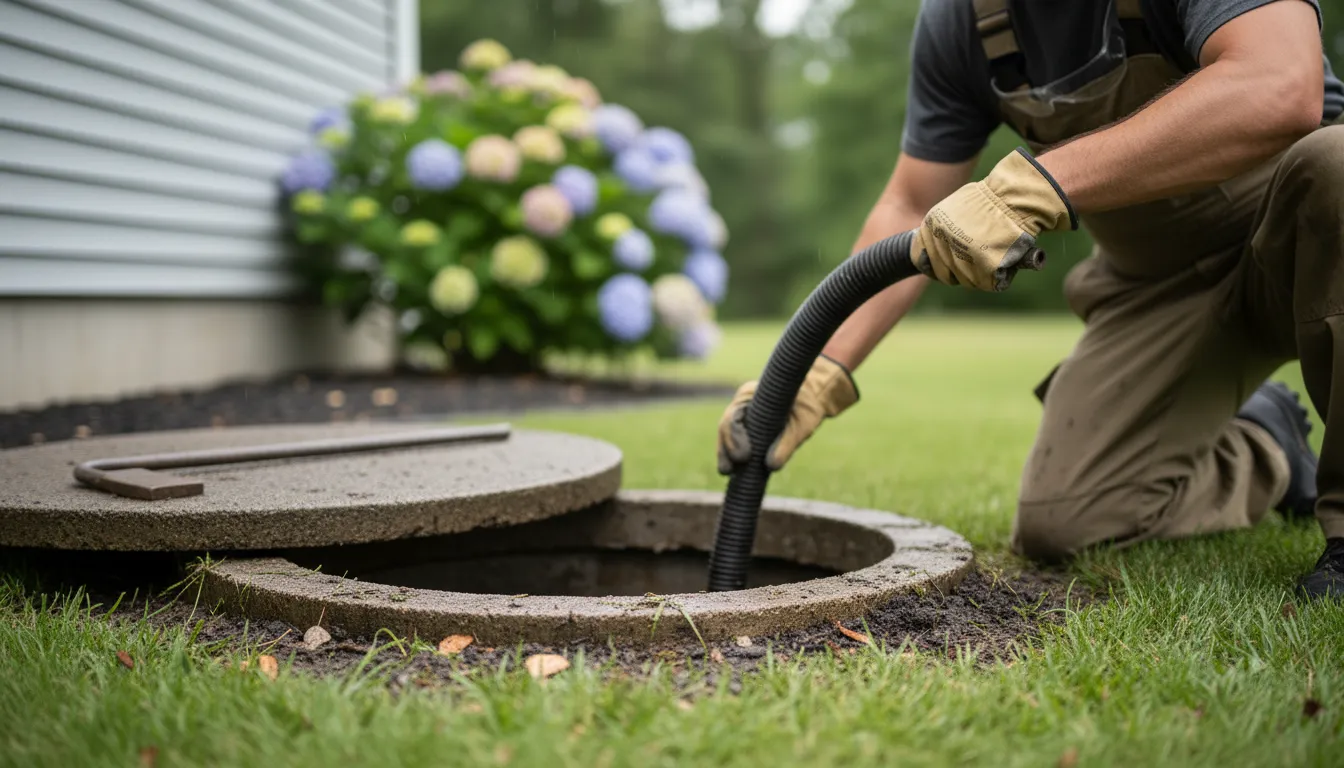
Maintaining a healthy septic system is a critical responsibility for any Dallas homeowner not connected to a municipal sewer line. Septic tank pumping is the essential service of removing accumulated solids and scum from your tank to prevent system failure, backups, and costly environmental damage. This guide explains why regular septic maintenance matters, outlines local regulations and costs, and helps you understand what to look for when scheduling this vital service for your property.
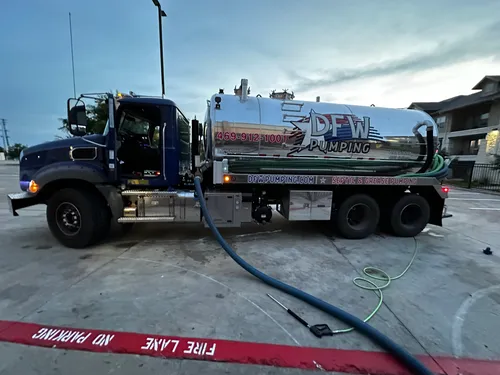
DFW Septic and Grease Services
4881 Montgomery Rd, Midlothian, TX 76065
DFW Septic and Grease Services provides septic tank pumping and inspection services in Dallas, TX. They serve both residential and commercial properties across multiple counties including Ellis, Tarrant, Dallas, Rockwall, Kaufman, Henderson, Navarro, Johnson, and Hill. Their services include septic system cleaning, grease trap maintenance, and thorough onsite inspections for various facilities such as restaurants, retirement homes, and grocery stores. The company offers expert advice and waste collection to help maintain efficient septic systems.

Bacon Plumbing Heating Air Electric
2055 Kristy Ln, Rockwall, TX 75032
Bacon Plumbing Heating Air Electric is a full-service company based in Dallas, TX, offering plumbing, HVAC, electrical, sewer, and septic services. Founded in 2011, they serve the Dallas-Fort Worth metroplex and Houston areas with a team of licensed and insured professionals. The company provides 24/7 emergency services and backs their work with various warranties, including a 25-year warranty on full sewer re-pipes. Their expertise includes septic tank pumping and comprehensive plumbing solutions.
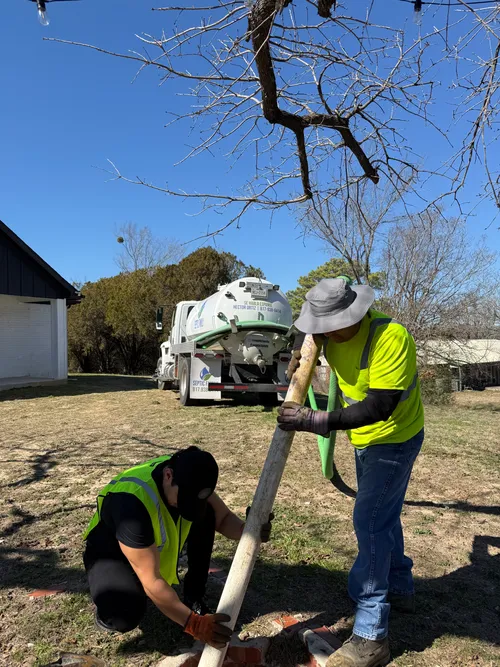
Septic family
545 Harrold St apt 7001, Fort Worth, TX 76107
Septic Family is a septic tank pumping, cleaning, repair, and installation company serving Dallas, TX, and surrounding areas including Fort Worth and multiple nearby communities. The company specializes in both conventional and aerobic septic systems, offering maintenance contracts, installations, and repairs. With 17 years of experience, Septic Family provides bilingual services in English and Spanish and is available 24/7 for septic system needs.
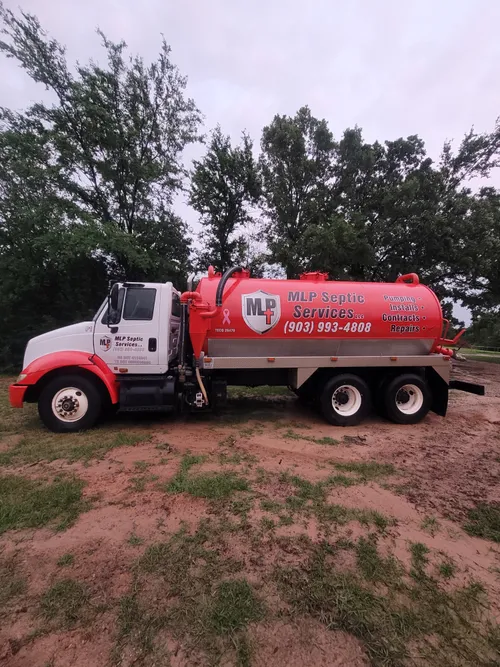
MLP Septic Services
747 vz, Co Rd 1906, Fruitvale, TX 75127
MLP Septic Services is a septic tank pumping, repair, and installation company serving Dallas, TX. They offer services for both residential and commercial properties, including conventional septic system installation, ongoing maintenance contracts, repairs, and pumping. With over 15 years of experience in the sewer water industry, MLP Septic Services focuses on maintaining the proper function and longevity of septic systems.
Burleson Septic Cleaning
2410 SW Hulen St, Burleson, TX 76028
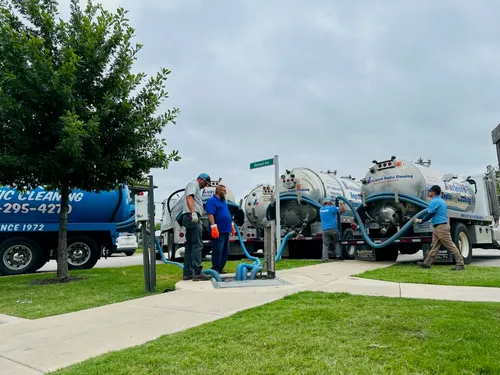
Burleson Septic Cleaning is a family-owned septic service provider based near Dallas, TX, serving Tarrant and Johnson Counties. Since 1972, they have offered residential and commercial septic tank pumping, system cleaning, and repair services. Their team uses state-of-the-art commercial vacuum trucks and specializes in lift station maintenance and repair. With over 50 years of experience, Burleson Septic Cleaning provides true 24/7 emergency service with live operators to handle septic issues anytime.
Why Regular Septic System Pumping is Non-Negotiable
Your septic system is a silent workhorse, treating all the wastewater from your home. Over time, solids settle as sludge at the bottom, and lighter materials like fats and oils float to the top as scum. If these layers aren't periodically removed via pumping, they can clog the outlet pipe, overflow into the drain field, and cause a complete system failure. A failed system can lead to sewage backing up into your home, foul odors, and contamination of your yard and local groundwater. Regular septic service is the most effective way to protect your home's value, your family's health, and the local environment.
Recommended Pumping Frequency for Dallas Homes
How often you need to schedule septic cleaning depends on several household factors. For an average household in Dallas, the general recommendation is to pump your septic tank every 3 to 5 years 1. However, this is just a baseline. High-usage households or those with smaller tanks may need service more frequently, potentially every 1 to 2 years 1. A useful rule of thumb is to plan for pumping for every 1,000 gallons of tank capacity your home uses annually 2. The most reliable indicator is an inspection: it's time to pump when the combined sludge and scum layers reach about 30% of the tank's total liquid capacity 3.
Key factors that increase pumping frequency include:
- Household Size: More people generate more wastewater and solids.
- Tank Size: A smaller tank fills up faster.
- Garbage Disposal Use: Disposals significantly increase the solid waste entering the tank.
- Water Usage: Excessive water from long showers, frequent laundry, or leaks can overwhelm the system.
Understanding the Cost of Septic Pumping in Dallas
The cost for professional septic tank pumping in Dallas is influenced by tank size, accessibility, and how long it's been since the last service. Based on recent local data, homeowners can expect an average cost of around $314, with a typical range falling between $246 and $383 4 5. For more complex jobs or very large tanks, prices can range from as low as $175 up to $1,000 6. It's important to get itemized estimates, as the final price may include additional fees for locating the tank lid, digging it up, or minor repairs discovered during the service.
Find the perfect septic tank pumping contractors for your needs
Get personalized recommendations and expert advice
The Critical Role of Professional Inspections
Pumping is often paired with a thorough inspection, which is a cornerstone of proper septic system maintenance. In Texas, routine checks of the entire system are recommended at a minimum of every 3 years. A comprehensive inspection goes beyond just checking sludge levels. A qualified professional will also:
- Assess the condition of the drain field for signs of ponding or surfacing effluent.
- Test high-water alarms and aerator pumps (for aerobic systems).
- Examine the tank's structural integrity, inlet, and outlet baffles 7 8.
- Ensure all tanks have proper inspection or cleanout ports 9.
These inspections can identify small issues-like a failing pump or a clogged filter-before they escalate into expensive emergencies.
Texas and Dallas County Regulations You Should Know
Septic systems, known officially as On-Site Sewage Facilities (OSSF), are regulated in Texas by the Texas Commission on Environmental Quality (TCEQ) 10. Homeowners are responsible for maintaining their systems to prevent nuisances and public health hazards. A key requirement for homes with aerobic treatment systems is that they must be under a maintenance contract with a licensed provider. This provider is required to inspect the system and submit reports to the local permitting authority every 4 months (or every 6 months if the system has approved electronic monitoring) 11.
When you need to hire a service, you can verify a company's credentials by using the TCEQ's online database to find registered sludge transporters authorized to work in the Dallas area.
Signs Your Dallas Home Needs Septic Attention
Don't wait for a disaster. Be proactive and watch for these warning signs that your system needs pumping or repair:
- Slow Drains: Sinks, showers, and toilets that drain slowly, especially throughout the house.
- Sewage Odors: Unpleasant smells in your yard, particularly near the drain field or tank.
- Gurgling Sounds: Strange noises coming from your plumbing.
- Lush, Wet Grass: Spongy ground or unusually green, fast-growing grass over the drain field.
- Sewage Backup: The most severe sign-wastewater backing up into household drains.
If you notice any of these signs, contact a professional immediately to assess the situation.
Choosing a Reliable Septic Service Provider
Selecting the right company for your septic pumping and maintenance is crucial. Look for providers who are licensed, insured, and have strong local references. They should be willing to explain the process, provide a clear, written estimate, and answer all your questions. A reputable service will not only pump the tank but also perform a basic inspection and note any potential concerns for your records. Always ensure the company properly disposes of the septage at a licensed facility, as required by law.
Maintaining Your System Between Pumpings
You can extend the time between necessary pumpings and protect your system's longevity with good habits:
- Conserve Water: Fix leaks and spread out laundry loads to avoid hydraulically overloading the system.
- Mind What You Flush: Only human waste and toilet paper should go down the toilet. Avoid flushing wipes (even "flushable" ones), feminine hygiene products, diapers, and paper towels.
- Use the Trash Can: Never pour cooking grease, oil, or coffee grounds down the drain. Avoid using chemical drain cleaners.
- Protect the Drain Field: Never park vehicles or build structures over the drain field. Keep roof drains and sump pumps directed away from it.
Frequently asked questions
Sources
Footnotes
-
On-Site Sewage Facilities (Septic Systems): General Information - Texas Commission on Environmental Quality - www.tceq.texas.gov - https://www.tceq.texas.gov/permitting/ossf/ossfgeneral.html ↩ ↩2
-
Pumping Septic Tanks - Dallas County - https://www.dallascountyiowa.gov/DocumentCenter/View/1101/Septic-Tank-Maintenance-PDF ↩
-
5 Factors for Septic Tank Pumping Frequency - https://www.wrenvironmental.com/blog/2025/november/5-key-factors-that-influence-septic-pumping-freq/ ↩
-
How Much Does It Cost to Pump a Septic Tank in Dallas, TX? - https://www.angi.com/articles/how-much-does-septic-tank-pumping-cost/tx/dallas ↩
-
Anytime Septic of Dallas Releases New Guide to Help ... - https://www.patriotledger.com/press-release/story/27215/anytime-septic-of-dallas-releases-new-guide-to-help-homeowners-identify-septic-tank-pumping-needs/ ↩
-
Septic Systems | Department of Environmental Protection - https://www.pa.gov/agencies/dep/residents/my-water/septic-systems ↩
-
Texas OSSF Inspection Requirements: Complete Guide for 2025 - https://www.fieldbaseos.com/blog/texas-ossf-inspection-requirements.html ↩
-
30 Tex. Admin. Code § 285.32 - Criteria for Sewage Treatment ... - https://www.law.cornell.edu/regulations/texas/30-Tex-Admin-Code-SS-285-32 ↩
-
Does Texas Require Septic Inspection - TexInspec - https://texinspec.com/does-texas-require-septic-inspection/ ↩
-
Understanding the TCEQ: What Texas Homeowners Need to Know ... - https://brighteyestexas.com/understanding-the-tceq-what-texas-homeowners-need-to-know-about-septic-system-regulations/ ↩
-
Maintenance of On-Site Sewage Facilities (Septic Systems) - https://www.tceq.texas.gov/permitting/ossf/ossfmaintenance.html ↩