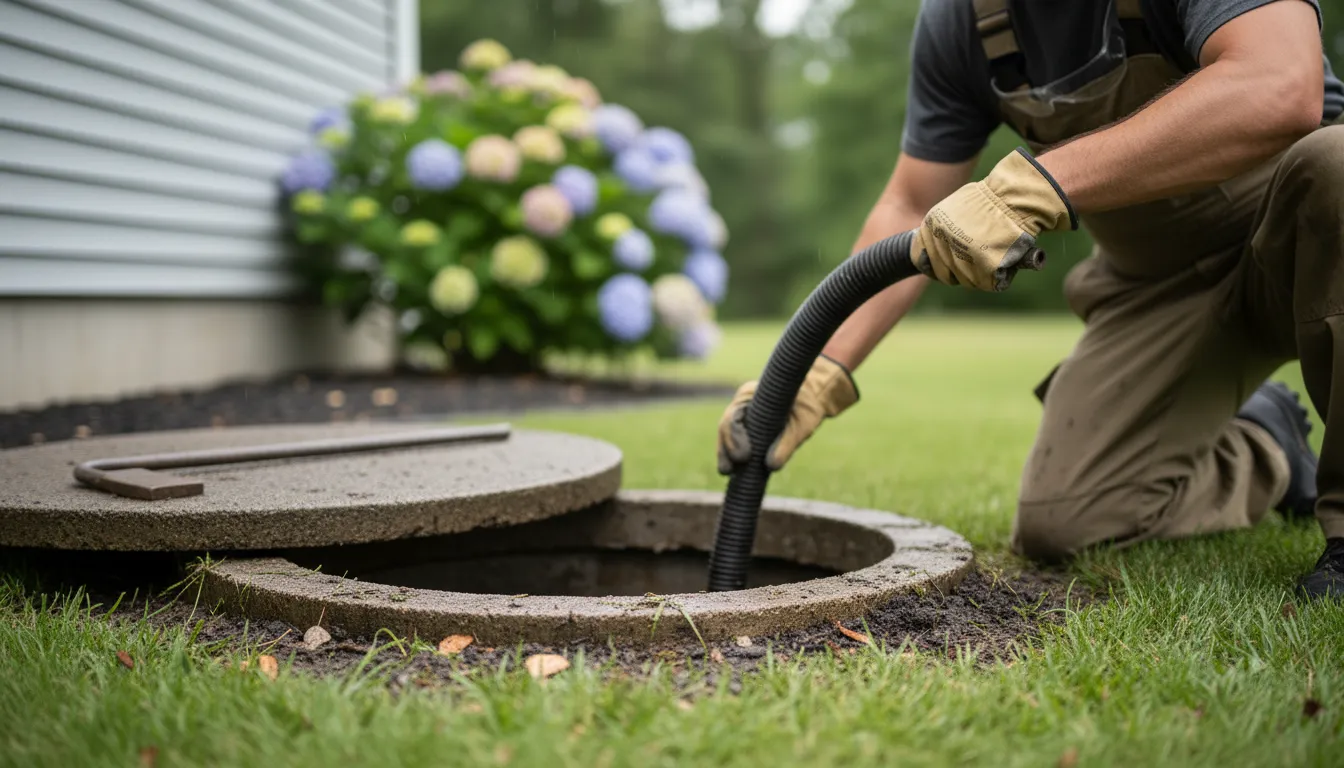
Find the Best Septic Tank Pumping Contractors for Your Business
No obligation • Fast responses • Nationwide coverage

Why you can trust Septic Spot
Septic Spot is a leading United States resource for understanding and comparing septic services. Our editors review providers using consistent criteria and verify key business details. Listings and scores are independent, and companies cannot pay to influence our content.
Search providers near you
Top Septic Tank Pumping Contractors in Houston, Texas Ranked
Maintaining a healthy septic system is a crucial, yet often overlooked, responsibility for Houston homeowners. Septic tank pumping is the essential process of removing accumulated sludge and scum from your tank to prevent system failure, backups, and costly environmental damage. This guide explains why regular septic service is vital in our region, outlines what to expect, and helps you understand how to find qualified local professionals to keep your system functioning properly for years to come.
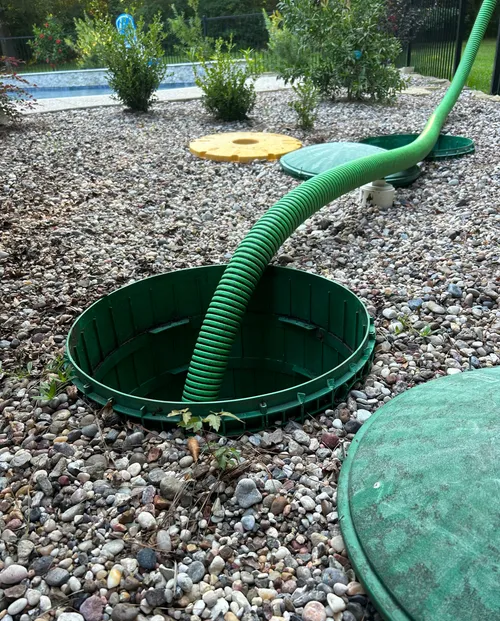
Wilkinson Septic Services
1007 TX-150, New Waverly, TX 77358
Wilkinson Septic Services is a family-owned septic tank pumping company serving Houston, TX. They provide regular septic tank cleaning and grease trap cleaning to help maintain the lifespan and functionality of septic systems. Their services include setting up maintenance schedules to ensure timely pumping and prevent system failures. The company emphasizes the importance of septic system upkeep to protect property value and reduce environmental pollutants.
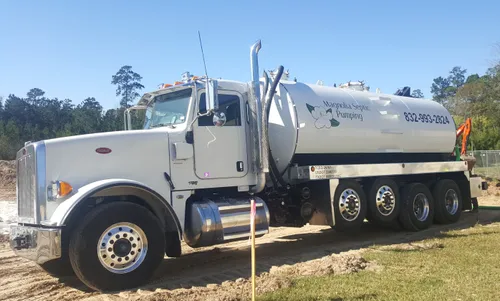
Magnolia Septic Pumping LLC
Houston, TX
Magnolia Septic Pumping LLC is a septic tank pumping company based in Houston, TX. They provide septic tank pumping services to help maintain proper septic system function. The company offers a discount program for military personnel, senior citizens, first responders, and teachers.
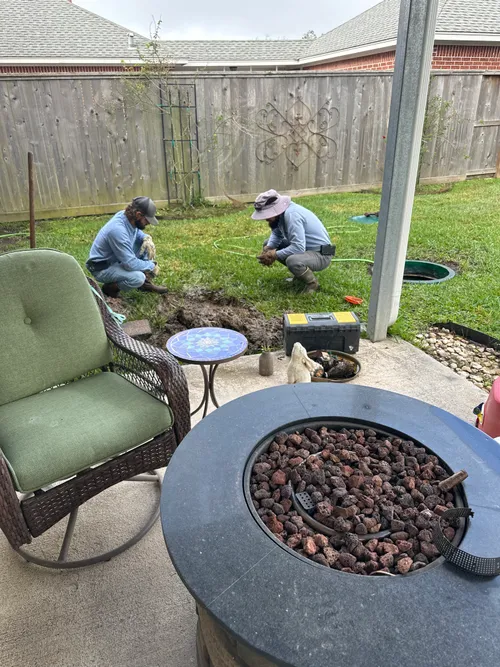
Brighteyes Septic
395 County Rd 608, Dayton, TX 77535
Brighteyes Septic is a septic tank pumping, inspection, repair, and installation company serving Houston, TX, and surrounding areas including Liberty, Dayton, and Baytown. The company offers comprehensive septic system services with a focus on professional installation and maintenance. With over 125 combined years of experience, Brighteyes Septic provides knowledgeable staff who prioritize customer education and environmental care. They serve multiple counties and communities around Houston and are known for their thorough inspections and timely repairs.
Abracadabra Septic Pumping
16655 FM 362, Waller, TX 77484
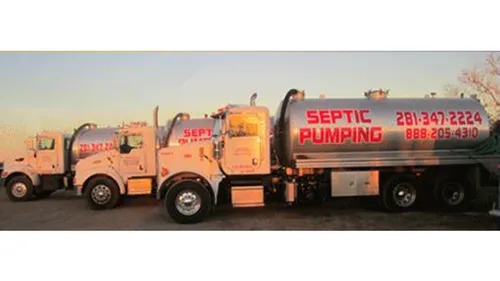
Abracadabra Septic Pumping is a family-owned business serving Houston, TX, and surrounding areas within 50 miles. Since 2004, they have provided residential and commercial septic system services including pumping, installation, and repairs. Their state-certified technicians handle projects of all sizes and offer same-day service to address septic system needs promptly. The company is fully licensed and insured, with manufacturer warranties supporting their work.
Cyclone Septic Services
Houston, TX
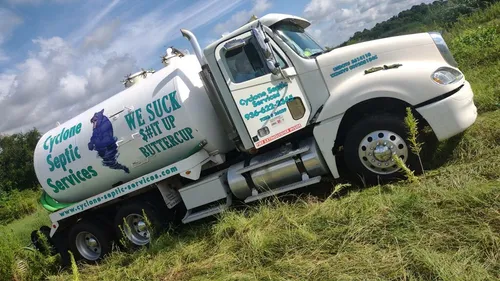
Cyclone Septic Services is a septic tank pumping and installation company based in Houston, TX. They provide a range of septic services including residential and commercial septic pump outs, grease trap jetting, pipe cleaning, and both conventional and aerobic septic system installations. The company serves Houston and surrounding areas such as Conroe, Montgomery, and Spring. Cyclone Septic Services uses efficient equipment and quality materials to ensure effective septic system maintenance and installation. They also offer hydro jetting plumbing services to clear stubborn clogs and maintain proper flow in plumbing systems.
Why Septic System Maintenance is Critical in Houston
Houston's unique environmental conditions, including its clay-heavy soil and significant rainfall, make proactive septic care especially important. A failing system isn't just a household inconvenience; it can contaminate groundwater, create unsanitary conditions, and lead to expensive repairs or even a complete system replacement. Regular pumping and inspection are the most cost-effective ways to protect your property, your health, and the local environment. The Texas Commission on Environmental Quality (TCEQ) provides guidelines to help homeowners manage their on-site sewage facilities responsibly.
Understanding Your Septic System and Pumping Needs
A typical septic system consists of a tank and a drain field. Wastewater from your home flows into the tank, where solids settle as sludge, fats and oils float as scum, and the clarified liquid exits to the drain field for further treatment. Over time, the sludge and scum layers build up. If they aren't removed, solids can flow into and clog the drain field, causing system failure. Pumping removes these accumulated solids, restoring the tank's capacity and efficiency.
Recommended Pumping Frequency
How often you need septic tank cleaning depends on several factors. The general rule for conventional systems in Houston is every 3 to 5 years. However, this is just a starting point. Your specific schedule should be based on:
- Tank Size and Household Size: A larger family will fill a tank faster than a single occupant.
- Water Usage: High water consumption from frequent laundry, long showers, or garbage disposals accelerates sludge accumulation.
- System Type: Conventional gravity systems have different needs than aerobic treatment units (ATUs). Aerobic systems generally require more frequent, often mandatory, maintenance contracts involving service several times per year1.
A professional inspection is the best way to determine your tank's condition. Experts recommend inspecting your system annually, even if pumping isn't immediately needed2 3. During an inspection, a technician will measure the sludge and scum layers. Pumping is typically advised when the sludge reaches 25% to 33% of the tank's liquid capacity3.
What to Expect During a Septic Pumping Service
When you schedule a septic service in Houston, a licensed professional will arrive with a vacuum truck. The process generally involves:
- Locating and Uncovering the tank's access lids.
- Inspecting the tank's interior, baffles, and inlet/outlet pipes for damage.
- Pumping all solids and liquids from the tank into the truck.
- Cleaning the tank walls (if possible) and performing a final inspection.
- Properly Disposing of the waste at a licensed treatment facility, as required by Texas law.
It's a good idea to be present to ask questions and note the location of your tank and drain field for future reference.
Find the perfect septic tank pumping contractors for your needs
Get personalized recommendations and expert advice
Cost of Septic Tank Pumping in Houston
The price for septic maintenance in Houston can vary based on tank size, accessibility, and the extent of service required. For a standard pumping service, homeowners can expect an average cost range of $300 to $700. To provide a clearer picture:
- A 1,000-gallon tank typically costs between $250 and $400 to pump.
- A 1,500-gallon tank typically ranges from $300 to $5004 5.
While prices can range from $200 to over $1,200 for very large or complex jobs, getting multiple estimates is wise6 7. Remember, the lowest price may not include a thorough inspection or proper waste disposal. Investing in a comprehensive service from a reputable provider can prevent far more expensive problems down the line.
Best Practices for Septic System Health
Pumping is a key part of maintenance, but daily habits also impact your system's longevity.
- Conserve Water: Fix leaks and spread out laundry loads to avoid overwhelming the drain field.
- Mind What You Flush: Only human waste and toilet paper should go down the toilet. Avoid flushing wipes (even "flushable" ones), feminine hygiene products, grease, and chemicals.
- Protect the Drain Field: Never drive or park vehicles, build structures, or plant trees over your septic tank or drain field. The soil compaction and root intrusion can cause severe damage 8.
- Pump at the Right Time: It's often recommended to schedule pumping during drier seasons to reduce the risk of tank flotation in saturated ground and to allow for easier access for heavy trucks.
Houston and Texas Regulations
Homeowners in Harris County must use licensed sludge transporters to pump and dispose of septic waste 9. While Texas state law does not mandate a specific pumping schedule, it holds homeowners responsible for maintaining their systems in compliance with TCEQ standards to prevent nuisances or pollution 10. Always check with the Harris County Health Department or the TCEQ for the most current local rules that may apply to your property.
Signs Your Septic Tank Needs Attention
Don't wait for a complete failure. Watch for these warning signs that your system may need pumping or repair:
- Slow Drains: Sinks, showers, and toilets that drain slowly throughout the house.
- Sewage Odors: Unpleasant smells indoors or near the tank/drain field.
- Gurgling Sounds: Noises coming from your plumbing.
- Wet, Spongy Yard: Soggy ground or standing water over the drain field, especially when it hasn't rained.
- Sewage Backup: The most severe sign, where wastewater comes back up into drains or toilets.
If you notice any of these issues, contact a professional for an inspection immediately.
Frequently asked questions
Sources
Footnotes
-
Maintenance of On-Site Sewage Facilities (Septic Systems) - https://www.tceq.texas.gov/permitting/ossf/ossfmaintenance.html ↩
-
On-Site Sewage Facilities (Septic Systems): General Information - Texas Commission on Environmental Quality - www.tceq.texas.gov - https://www.tceq.texas.gov/permitting/ossf/ossfgeneral.html ↩
-
Septic System - Texas Water Resources Institute - https://twri.tamu.edu/wp-content/uploads/2024/04/em-126-septic-system-maintenance-inspection-pocket-guide.pdf ↩ ↩2
-
Septic Tank Pumping Cost: Guide & Pricing in 2025 - Splash Plumbing - https://www.splashplumbing.com/how-much-does-it-cost-to-pump-septic-tank-understanding-pricing-and-factors-involved/ ↩
-
Septic Tank Pumping Cost & Maintenance Guide - https://www.benjaminfranklinplumbing.com/league-city/blog/2025/march/how-much-does-it-cost-to-pump-septic-tank-a-detailed-pricing-guide/ ↩
-
How Much Does It Cost To Pump A Septic Tank in Houston, TX? - https://www.angi.com/articles/how-much-does-septic-tank-pumping-cost/tx/houston ↩
-
Optimizing Septic Tank Pumping Frequency for Households - https://www.unitedsewerservice.com/frequency-of-septic-tank-pumping-for-different-household-sizes/ ↩
-
Septic Systems | Department of Environmental Protection - https://www.pa.gov/agencies/dep/residents/my-water/septic-systems ↩
-
Texas Septic Tank Rules - https://dillonseptic.com/texas-septic-tank-rules/ ↩
-
Texas Septic System Regulations - https://dillonseptic.com/texas-septic-system-regulations/ ↩