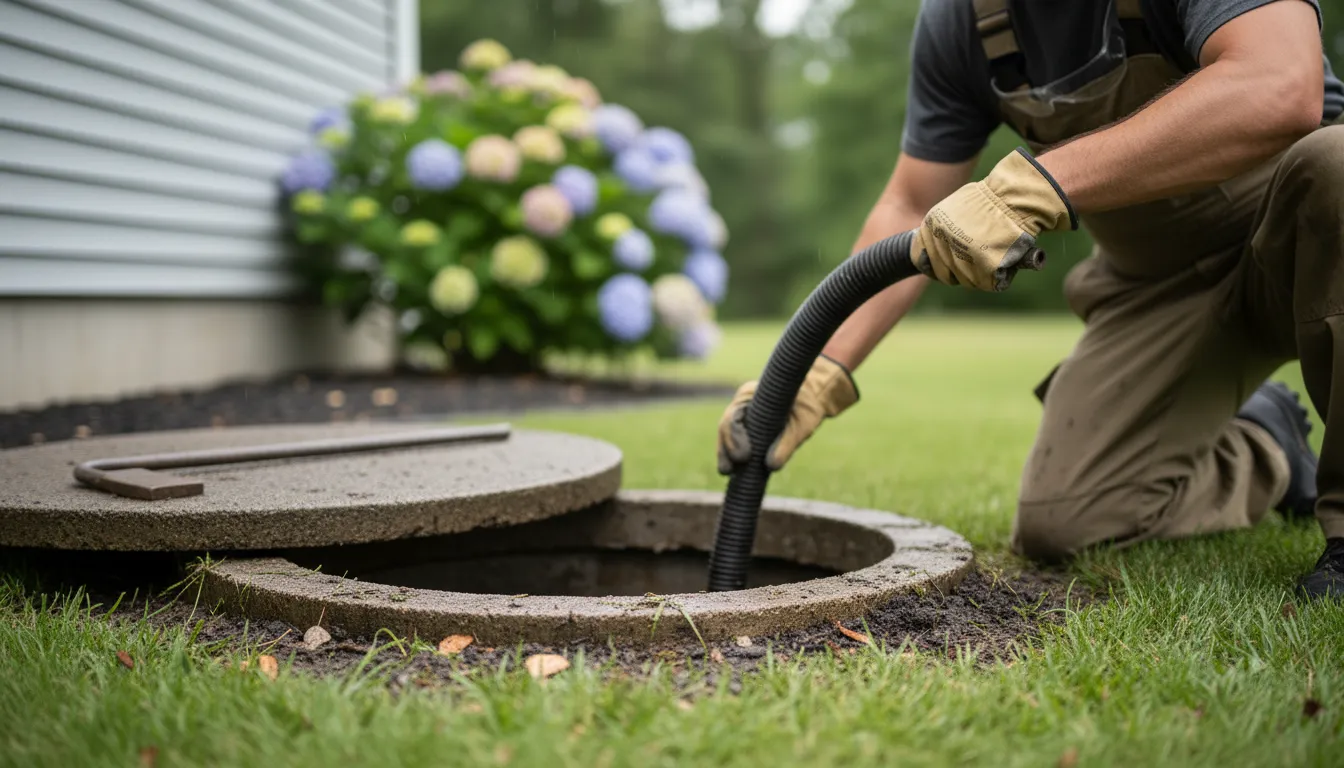
Find the Best Septic Tank Pumping Contractors for Your Business
No obligation • Fast responses • Nationwide coverage

Why you can trust Septic Spot
Septic Spot is a leading United States resource for understanding and comparing septic services. Our editors review providers using consistent criteria and verify key business details. Listings and scores are independent, and companies cannot pay to influence our content.
Search providers near you
Top Septic Tank Pumping Contractors in Corpus Christi, Texas Ranked
Maintaining a healthy septic system is a crucial responsibility for homeowners not connected to municipal sewer lines. Septic tank pumping is the essential process of removing accumulated solids from your tank to prevent system failure, backups, and environmental contamination. This guide explains why regular septic system maintenance matters in the Coastal Bend, outlines local recommendations and costs, and helps you understand how to find qualified professionals to keep your system functioning smoothly for years to come.
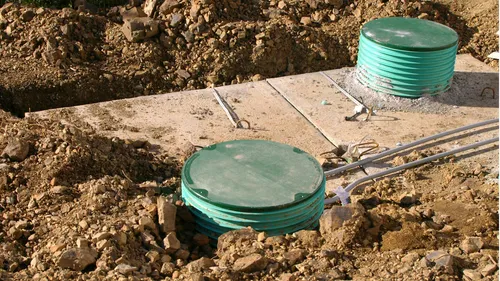
Septic Pro Pumping
Corpus Christi, TX
Septic Pro Pumping is a licensed and insured company serving Corpus Christi, TX, specializing in septic tank pumping, inspection, repair, and installation for residential and commercial properties. They handle all aspects of septic system installation, including soil sampling, permits, and compliance with building codes. Their services also include septic tank cleaning, excavation, and maintenance programs to ensure proper system function and water safety. The company offers emergency septic system inspections for urgent issues.
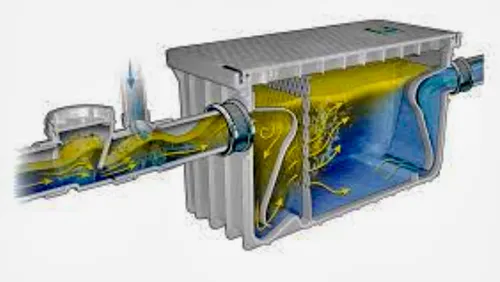
South Texas Grease Retrieval LLC.
241 Anchor St, Corpus Christi, TX 78418
South Texas Grease Retrieval LLC is a septic tank pumping company based in Corpus Christi, TX. Since opening in 2016, they have provided services including grease trap pumping, septic tank pumping, and hydro-jetting lines. The company draws on nearly a decade of prior experience in the field and serves the greater Coastal Bend area. They offer emergency after-hours service and are available 24 hours a day for urgent needs.
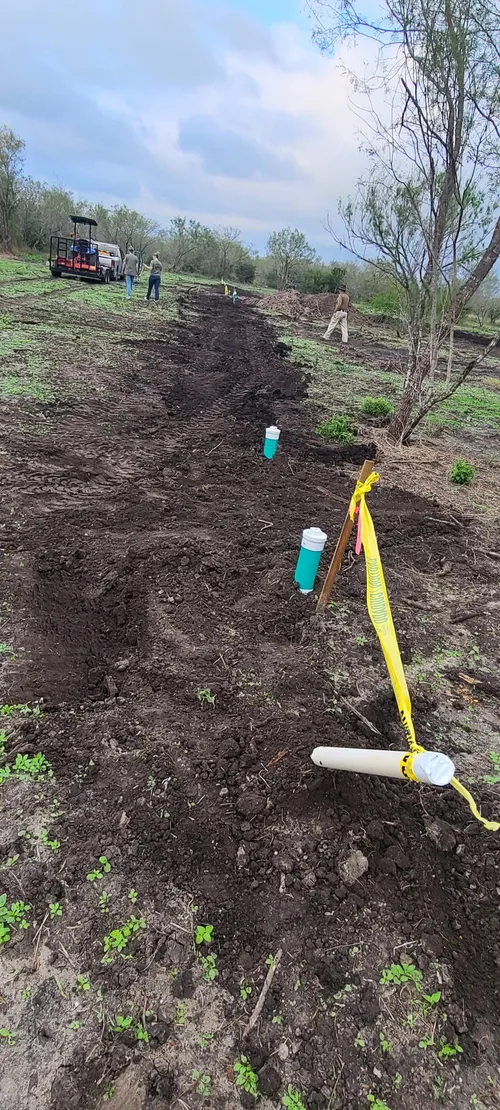
A & R Septic Services LLC
2954 FM1540, Sandia, TX 78383
A & R Septic Services LLC is a locally owned business serving Corpus Christi, TX, and the surrounding South Texas area. They specialize in septic system installation, pumping, repair, and maintenance. The company installs various types of septic systems including Aerobic Systems, Low-Pressure Dosage, Pipe & Gravel, and Ez Flow systems, all compliant with TCEQ regulations. Established in 1956, A & R Septic Services has decades of experience and employs TCEQ Licensed Installer II and Site Evaluator certified technicians.
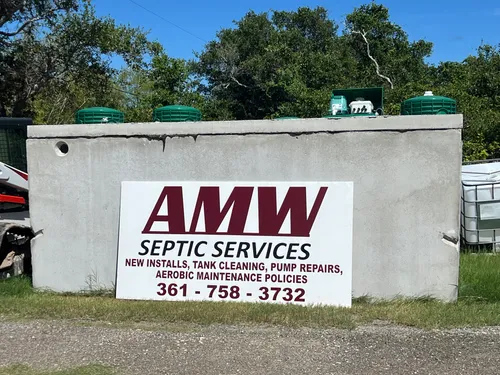
AMW Septic Services
2259 Armstrong Rd, Aransas Pass, TX 78336
AMW Septic Services provides septic tank pumping, repair, and installation services in Corpus Christi, TX, and surrounding counties including Nueces, Aransas, San Patricio, Refugio, and Bee. They offer a range of septic tank types and have the equipment to install systems efficiently. The company also handles septic tank cleaning and repairs to maintain system functionality. AMW Septic Services is available 24/7 for septic emergencies, ensuring support whenever needed.
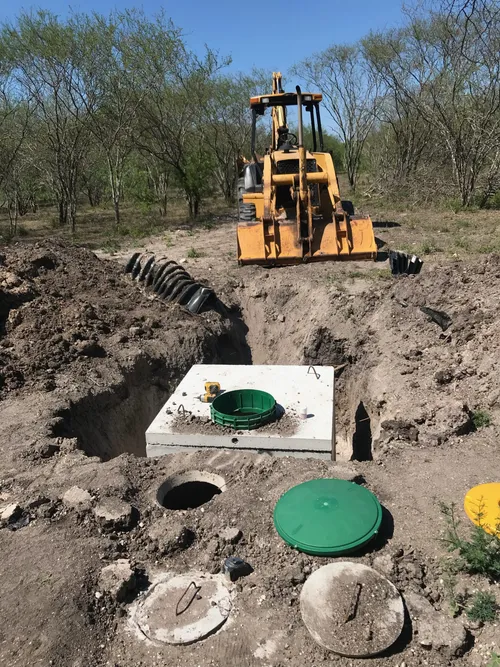
Merrifield Septic Sales and Service
Corpus Christi, TX
Merrifield Septic Sales and Service provides septic tank installation, pumping, inspection, and repair services in Corpus Christi, TX, and the surrounding Coastal Bend area including Aransas County, Kingsville, and Victoria. They specialize in both aerobic and conventional septic systems, offering maintenance contracts and regular inspections to ensure compliance with county requirements. The company also installs culverts and water-holding tanks for wells. Merrifield Septic emphasizes thorough system evaluations before repairs and maintains clean equipment for pumping services.
Why Regular Septic Maintenance is Critical in Corpus Christi
A neglected septic system is more than an inconvenience; it's a significant health hazard and a costly problem to fix. When sludge and scum are not pumped out on schedule, they can flow into the drain field, clogging the soil and causing sewage to surface in your yard or back up into your home. In Corpus Christi's environment, with its unique soil conditions and proximity to waterways like the Laguna Madre, a failing system can directly impact local water quality. Regular pumping protects your property value, prevents emergency repairs, and safeguards public health and the local ecosystem.
Recommended Pumping Frequency for Your Household
How often you need to schedule septic tank pumping depends primarily on your tank size and the number of people in your home. While a general rule for the area is every 3 to 5 years, your specific situation may require more frequent service.
- 1-2 People (500-750 gallon tank): Every 5 years.
- 3-4 People (1000-1250 gallon tank): Every 3-4 years.
- 5-6 People (1500-2000 gallon tank): Every 2-3 years 1.
High water usage, garbage disposal use, and the presence of a smaller tank can shorten these intervals, potentially requiring service every 1-2 years 2. For homes with alternative or aerobic treatment systems, which include electrical components, annual inspections and more frequent pumping are often necessary 3.
The Importance of Professional Inspections
Pumping is a key part of maintenance, but a comprehensive system inspection is equally important. It is recommended to have your entire septic system professionally checked every three years 4 5. A thorough inspection goes beyond just measuring sludge levels. A qualified technician will:
- Check the inlet and outlet baffles.
- Inspect the tank structure for cracks or leaks.
- Assess the drain field for signs of failure, such as soggy ground or odors.
- Evaluate all components, including pumps and alarms in aerobic systems.
This proactive approach can identify small issues-like a damaged filter or a minor leak-before they escalate into complete system failure, saving you thousands of dollars in excavation and replacement costs.
What to Expect: The Septic Service Process
Understanding what happens during a standard septic service visit can help you prepare. A professional provider will first locate your tank and access ports, which may involve some light digging if lids are buried. They will then open the tank to inspect the sludge and scum layers. Using a large vacuum truck, all solid and liquid waste is pumped out and legally transported for disposal. During or after pumping, a good technician will inspect the tank's interior and components, noting any concerns. They should then securely replace the lids. Always request a record of the service, including the volume removed and any observations about your system's condition.
Find the perfect septic tank pumping contractors for your needs
Get personalized recommendations and expert advice
Understanding Costs for Septic Pumping in Corpus Christi
The average cost for standard septic tank pumping in the Corpus Christi area typically ranges from $350 to $650 6. Several factors influence the final price:
- Tank Size and Volume: Larger tanks (over 1,500 gallons) cost more to pump than standard 1,000-gallon tanks.
- Accessibility: If the tank lids are deeply buried or located under a deck, patio, or landscaping, extra labor for excavation will increase the price.
- Condition of the System: Tanks that are overly full, have hardened sludge, or contain non-biodegradable materials may require more time or special equipment.
- Additional Services: Costs will be higher if the service includes a full inspection, filter cleaning, or minor repairs.
While price is a consideration, the expertise and proper licensing of the provider are paramount for a job done correctly and safely.
How to Choose a Qualified Service Provider
Not all septic service companies are equal. For your protection and to ensure compliance with Texas regulations, it is essential to hire a licensed professional. The Texas Commission on Environmental Quality (TCEQ) requires anyone who transports and disposes of septic sludge to be a registered "licensed sludge transporter" 7. You can verify a company's credentials by checking the TCEQ's online database for registered transporters serving the Corpus Christi area 7. Always ask for proof of licensing and insurance. A reputable company will be transparent about their pricing, willing to explain their process, and able to provide references from local customers.
Protecting Your System Between Pumpings
Professional pumping is essential, but daily habits determine your system's long-term health. You can extend the time between pumpings and prevent damage by following these guidelines:
- Conserve Water: Fix leaks and spread out laundry loads to avoid overwhelming the drain field.
- Mind What You Flush: Only human waste and toilet paper should go down the drain. Never flush wipes (even "flushable" ones), feminine hygiene products, grease, coffee grounds, or chemicals like paint thinner and pesticides 8.
- Protect the Drain Field: Never park vehicles or place heavy structures like sheds over the drain field. Divect rainwater drainage systems away from it, and avoid planting trees with deep roots nearby.
Signs Your System Needs Immediate Attention
Don't wait for your scheduled pumping if you notice any of these red flags, which indicate your system may be failing or already full:
- Slow Drains: Gurgling sounds or slow drainage in sinks, showers, and toilets throughout the house.
- Sewage Odors: Unpleasant smells in your yard, especially near the tank or drain field.
- Wet, Spongy Yard: Soggy patches or standing water over the drain field, even during dry weather.
- Sewage Backup: The most severe sign, where wastewater backs up into household drains.
If you observe any of these signs, contact a licensed septic professional immediately to assess the situation and prevent further damage or health risks.
Frequently asked questions
Sources
Footnotes
-
How to Care for Your Septic System | US EPA - https://www.epa.gov/septic/how-care-your-septic-system ↩
-
Septic Tank Pumping: How Often Should You Schedule It? - https://accurateplumbingtx.com/septic-tank-pumping-how-often-to-schedule/ ↩
-
Discover the Recommended Septic Tank Pumping Frequency: 5 Facts! - https://www.unitedsewerservice.com/recommended-septic-tank-pumping-frequency/ ↩
-
How Often Should You Pump Your Septic Tank | Pumping Frequency - https://seaboundseptic.com/septic-services/how-often-should-you-pump-your-septic-tank/ ↩
-
Does Texas Require Septic Inspection - TexInspec - https://texinspec.com/does-texas-require-septic-inspection/ ↩
-
How Much Does It Cost to Pump a Septic Tank? - https://dillonseptic.com/how-much-does-it-cost-to-pump-a-septic-tank/ ↩
-
On-Site Sewage Facilities (Septic Systems): General Information - Texas Commission on Environmental Quality - www.tceq.texas.gov - https://www.tceq.texas.gov/permitting/ossf/ossfgeneral.html ↩ ↩2
-
Texas Septic Tank Rules - https://dillonseptic.com/texas-septic-tank-rules/ ↩