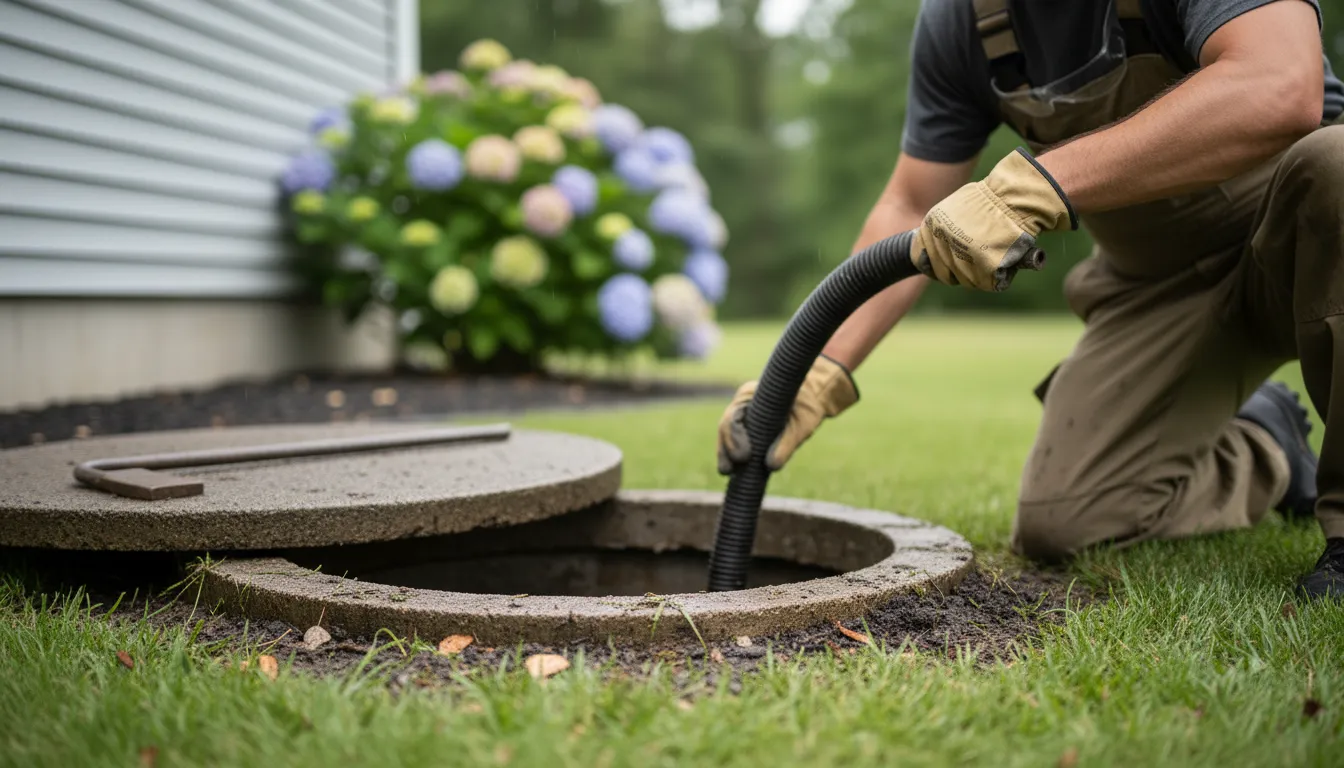
Find the Best Septic Tank Pumping Contractors for Your Business
No obligation • Fast responses • Nationwide coverage

Why you can trust Septic Spot
Septic Spot is a leading United States resource for understanding and comparing septic services. Our editors review providers using consistent criteria and verify key business details. Listings and scores are independent, and companies cannot pay to influence our content.
Search providers near you
Top Septic Tank Pumping Contractors in Bedford, Texas Ranked
Maintaining your septic system is a critical responsibility for any homeowner not connected to a municipal sewer line. Septic tank pumping is the essential process of removing accumulated solids and sludge from your tank to prevent system failure, backups, and environmental contamination. For Bedford residents, regular maintenance isn't just a recommendation-it's a key part of protecting your property value and public health. This guide will help you understand the local requirements, typical costs, and best practices for finding qualified professionals to service your on-site sewage facility (OSSF).

B & B Pumping
7520 Moran Rd, Azle, TX 76020
B & B Pumping is a septic tank pumping company serving Fort Worth, TX, and the surrounding DFW area. They provide septic care services designed to maintain and protect residential and commercial septic systems. With decades of experience, B & B Pumping focuses on reliable septic tank pumping to help keep systems running smoothly.
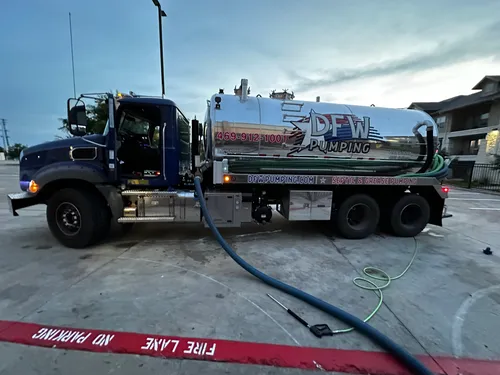
DFW Septic and Grease Services
4881 Montgomery Rd, Midlothian, TX 76065
DFW Septic and Grease Services provides septic tank pumping and inspection services in Dallas, TX. They serve both residential and commercial properties across multiple counties including Ellis, Tarrant, Dallas, Rockwall, Kaufman, Henderson, Navarro, Johnson, and Hill. Their services include septic system cleaning, grease trap maintenance, and thorough onsite inspections for various facilities such as restaurants, retirement homes, and grocery stores. The company offers expert advice and waste collection to help maintain efficient septic systems.
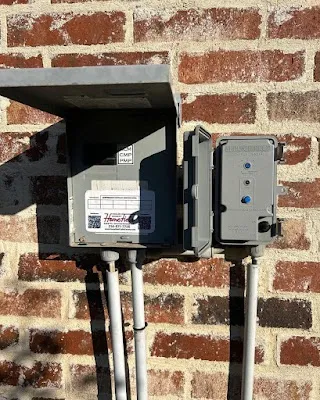
HomeField Parker County
617 Pine St, Aledo, TX 76008
HomeField Parker County is a septic service provider based in Fort Worth, TX, offering comprehensive septic system solutions for both residential and commercial clients. Their services include septic tank pumping, inspections, repairs, installations, drain field replacement, and system design. They also provide real estate septic inspections and maintenance plans to help customers stay compliant with local regulations. HomeField Parker County serves Parker, Johnson, and Hood counties, bringing local expertise to every job. Their team is equipped to handle emergency septic repairs and routine maintenance, ensuring systems operate efficiently and meet current standards.
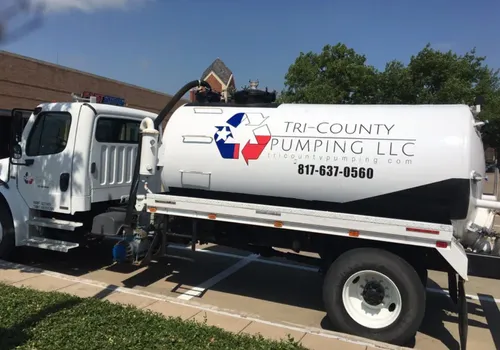
Tri-County Pumping LLC
10964 Blue Sky Dr, Haslet, TX 76052
Tri-County Pumping LLC is a family-owned septic tank pumping company based in Fort Worth, TX. They provide licensed services for both industrial and residential clients, specializing in non-hazardous industrial liquid waste and septic pumping. Their team includes college-degreed and state-licensed professionals who focus on compliance and proper waste management. Tri-County Pumping serves multiple counties including Tarrant, Denton, Wise, Parker, Hood, Johnson, and Dallas. With over 30 years of leadership experience in global operations, engineering, and logistics management, they bring expertise to their service delivery.
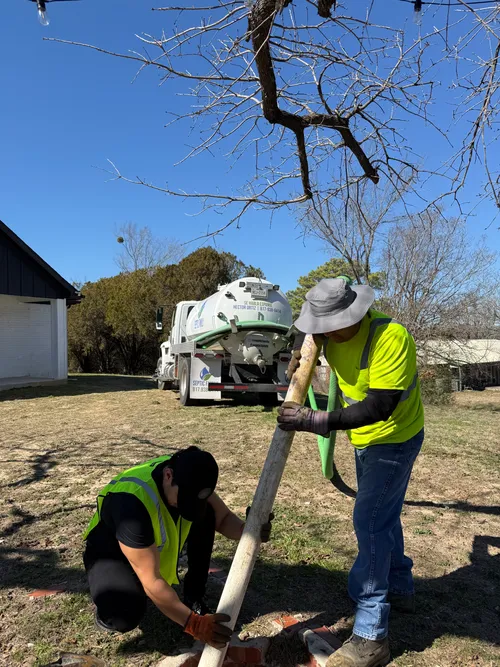
Septic family
545 Harrold St apt 7001, Fort Worth, TX 76107
Septic Family is a septic tank pumping, cleaning, repair, and installation company serving Dallas, TX, and surrounding areas including Fort Worth and multiple nearby communities. The company specializes in both conventional and aerobic septic systems, offering maintenance contracts, installations, and repairs. With 17 years of experience, Septic Family provides bilingual services in English and Spanish and is available 24/7 for septic system needs.
Why Septic System Maintenance is Essential in Bedford
A functioning septic system is an unseen but vital component of your home. When properly maintained, it safely treats household wastewater. Neglect, however, can lead to costly and unpleasant consequences. A failing system can cause sewage to back up into your home, create soggy, foul-smelling patches in your yard, and contaminate local groundwater. In Texas, the Texas Commission on Environmental Quality (TCEQ) regulates these systems to protect water quality 1. Regular septic tank service, including inspections and pumping, is the most effective way to avoid emergencies and ensure your system has a long, trouble-free life.
How Often Should You Pump Your Septic Tank?
There's no one-size-fits-all schedule for septic tank cleaning. The frequency depends on several factors specific to your household and system. General guidelines suggest a septic system should be pumped every 3 to 5 years 2. However, for households in Bedford, more specific considerations apply:
- Household Size and Water Use: A family of five or more, or a home with high water usage from appliances, garbage disposals, or frequent laundry, will fill the tank faster and likely require pumping every 1-3 years 3.
- Tank Size: A standard 1,000-gallon tank will need service more often than a 1,500-gallon tank serving the same number of people.
- System Type: Conventional gravity systems have different maintenance needs compared to aerobic treatment units (ATUs), which are common in areas with less ideal soil conditions. Aerobic systems often require more frequent inspections of mechanical components, sometimes as often as every four months, and may involve a maintenance contract 4.
The most reliable method is to have your tank inspected annually by a professional. They will measure the sludge and scum layers. A common rule is that if the sludge layer is within 12 inches of the tank's outlet baffle, it's time to schedule a pump-out 5.
Understanding the Septic Pumping Process
Knowing what to expect can make scheduling this necessary service easier. A standard septic pumping service involves several key steps performed by licensed professionals:
- Locating and Uncovering the Tank: The technician will find your tank's access lids, which may require some digging.
- Initial Inspection: Before pumping, they may check inlet and outlet baffles and look for signs of damage or leaks.
- Pumping: Using a large vacuum truck, all liquid and solid waste is removed from the tank. A thorough job will include agitating the sludge to ensure complete removal.
- Final Inspection & Clean-up: After pumping, the tank may be inspected with a light to ensure it's empty and undamaged. The lids are securely replaced, and the site is cleaned.
- Proper Disposal: In Texas, it is crucial to use a TCEQ-registered sludge transporter. They will haul the waste to a permitted treatment or disposal facility, ensuring compliance with state environmental laws.
Best Time for Service: While emergencies can happen anytime, it's often recommended to schedule pumping during drier seasons. Pumping a tank when the surrounding ground is saturated can increase the risk of the empty tank floating or shifting in the soil 6.
Find the perfect septic tank pumping contractors for your needs
Get personalized recommendations and expert advice
What Influences the Cost of Septic Pumping in Bedford?
The price for septic tank pumping isn't fixed and can vary based on several factors. Understanding these can help you interpret estimates from local service providers.
- Tank Size and Accessibility: This is the primary cost driver. Pumping a larger tank takes more time and labor. Additionally, if the tank access is buried deep or blocked, extra labor for excavation will increase the price.
- Tank Condition: If the tank hasn't been pumped in many years, the sludge may be heavily compacted, requiring more time and effort to break up and remove.
- Additional Services: The base pumping fee often covers just the removal of waste. You may pay extra for a detailed inspection, filter cleaning, or minor repairs.
Based on current market data, homeowners in the Bedford area can expect a typical septic pumping service to range from $250 to $500, though costs for larger or more complex systems can exceed $1,000. Here's a rough breakdown by tank capacity:
Always get detailed, written estimates from multiple licensed professionals to ensure you receive a fair price for the required work.
Choosing a Licensed Professional in Bedford
Your septic system is a significant investment, and its maintenance should be entrusted to qualified experts. Here's what to look for when selecting a provider for septic system services:
- TCEQ Registration: Always verify that the company or individual is a TCEQ-registered sludge transporter. This is a legal requirement in Texas and ensures they are authorized to transport and dispose of septage properly 10.
- Insurance and Bonding: Adequate insurance protects you from liability in case of accidents or damage to your property during the service.
- Experience and Reputation: Look for established companies with positive reviews from local customers. Ask how long they've been in business and if they have experience with your specific type of system (e.g., conventional, aerobic).
- Detailed Estimates and Explanations: A reputable professional will provide a clear, written estimate, explain what the service includes, and answer your questions thoroughly.
For the most accurate information regarding your specific property-including whether you are on a private system or a city-maintained sewer-contacting the City of Bedford Development Services Department is always a wise first step.
Maintaining Your System Between Pumpings
Proper daily care can extend the time between necessary pump-outs and prolong your system's overall lifespan.
- Conserve Water: Fix leaks and spread out laundry loads to avoid overwhelming the drain field.
- Mind What You Flush: Only human waste and toilet paper should go down the toilet. Avoid flushing wipes (even "flushable" ones), feminine hygiene products, dental floss, cooking grease, and chemicals.
- Use Garbage Disposals Sparingly: They significantly increase the solid waste load entering your tank.
- Protect Your Drain Field: Never park or build structures over it. Divert rainwater runoff from roofs and driveways away from the area.
Frequently asked questions
Sources
Footnotes
-
On-Site Sewage Facilities (Septic Systems): General Information - https://www.tceq.texas.gov/permitting/ossf/ossfgeneral.html ↩
-
Frequent Questions on Septic Systems | US EPA - https://www.epa.gov/septic/frequent-questions-septic-systems ↩
-
Homeowner's Guide to Septic Systems - Lakeway-tx.gov - https://www.lakeway-tx.gov/DocumentCenter/View/35501/EPA---Homeowners-Guide-for-Septic-Systems ↩
-
Maintenance of On-Site Sewage Facilities (Septic Systems) - https://www.tceq.texas.gov/permitting/ossf/ossfmaintenance.html ↩
-
Septic Systems | Department of Environmental Protection - https://www.pa.gov/agencies/dep/residents/my-water/septic-systems ↩
-
Septic System - Texas Water Resources Institute - https://twri.tamu.edu/wp-content/uploads/2024/04/em-126-septic-system-maintenance-inspection-pocket-guide.pdf ↩
-
How Much Does It Cost to Pump a Septic Tank? [2026 Data] | Angi - https://www.angi.com/articles/how-much-does-septic-tank-pumping-cost.htm ↩
-
How Much Does It Cost to Pump a Septic Tank? - https://www.wholesalesepticsupply.com/blogs/news/how-much-does-it-cost-to-pump-a-septic-tank ↩
-
Septic Tank Pumping Frequency: Crucial Maintenance Guide - https://septic911.com/septic-tank-pumping-frequency/ ↩
-
Septic Tank Laws in Texas - https://dillonseptic.com/septic-tank-laws-in-texas/ ↩