Find the Best Septic Tank Pumping Contractors for Your Business
No obligation • Fast responses • Nationwide coverage

Why you can trust Septic Spot
Septic Spot is a leading United States resource for understanding and comparing septic services. Our editors review providers using consistent criteria and verify key business details. Listings and scores are independent, and companies cannot pay to influence our content.
Search providers near you
Top Septic Tank Pumping Contractors in Galveston, Texas Ranked
Maintaining your septic system is a crucial responsibility for any Galveston homeowner. Regular septic tank pumping is the most important preventative measure you can take to avoid costly backups, drain field failures, and environmental contamination. This guide provides essential information on septic system maintenance, inspection requirements, and local considerations to help you find qualified professionals for your septic service needs in Galveston.
Environmental Construction Services
8916 Quail Valley Dr, Manvel, TX 77578
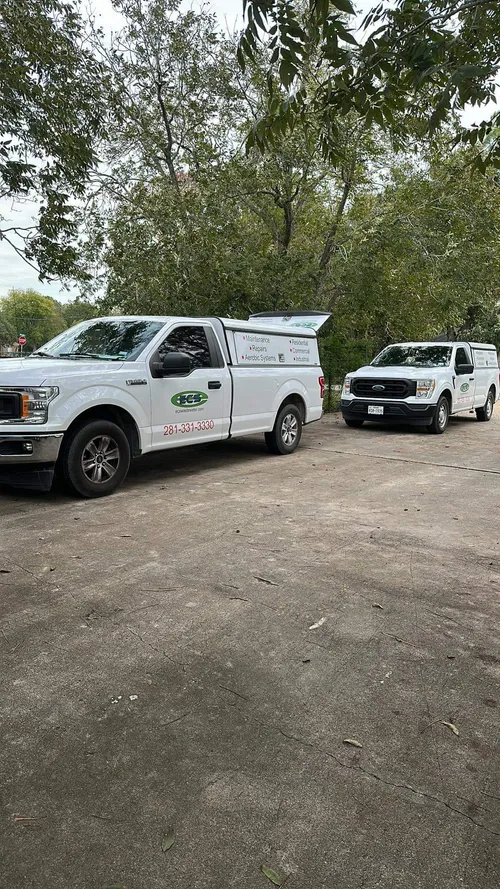
Environmental Construction Services is a licensed and insured septic system company serving Houston, TX, and surrounding counties. Since 1992, they have provided residential and commercial septic system installation, maintenance, and repair services, specializing in aerobic septic systems. Their technicians are licensed by the Texas Commission on Environmental Quality and are available seven days a week to address septic system needs. The company serves a large area including Brazoria, Fort Bend, Galveston, and Harris counties. Environmental Construction Services also offers maintenance contracts and uses quality parts to help extend the life of septic systems.

Whitt Septic Systems
115 County Rd 291A, Alvin, TX 77511
Whitt Septic Systems is a septic tank pumping, repair, and installation company serving Houston, TX, and parts of Brazoria, Galveston, Fort Bend, and Harris Counties. They provide services for both residential and commercial septic systems, including maintenance contracts, aerobic system repairs and installations, and septic tank pumping through a partner. The company emphasizes individual attention and detailed workmanship for each project.
Drane Ranger Vacuum Services
13911 India St, Houston, TX 77047
Drane Ranger Vacuum Services is a liquid waste management company based in Houston, TX. Since 1985, they have provided services including septic tank pumping, grease trap cleaning, lift station maintenance, and vacuum truck operations. Their work covers Houston and surrounding cities such as Pearland, Alvin, and Sugar Land, as well as several counties within 100 miles of Houston. Drane Ranger focuses on compliance with local regulations and offers environmentally responsible waste removal solutions.
Brumfield Sanitation
Pasadena, TX
Brumfield Sanitation is a septic system service provider based in Pasadena, TX, offering comprehensive septic tank pumping, inspection, repair, and drain field services. Serving the local community, they specialize in maintaining and repairing septic systems to prevent costly issues such as tank overflows and field line leaks. With 20 years of experience, Brumfield Sanitation uses advanced equipment and microbiological treatments to ensure optimal system performance. They also provide routine monthly inspections and maintenance programs designed to keep septic systems functioning effectively year-round.
Texas Septic Solutions
Pearland, TX
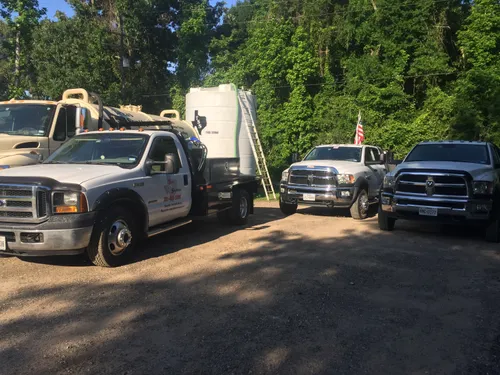
Texas Septic Solutions provides septic tank installation, pumping, and maintenance services in Pearland, TX. They serve both residential and commercial customers, offering routine septic and aerobic tank maintenance to prevent system failures. Their capabilities include new septic installations, pump outs, parts and sales, as well as drainage system and runoff trench work. The company also handles land clearing, pond services, stump removal, and manufactured home site pads. Texas Septic Solutions offers 24-hour emergency services to address urgent septic needs.
Understanding Your Septic System in Galveston
A septic system, or On-Site Sewage Facility (OSSF) as it's formally known in Texas, is a self-contained wastewater treatment system common in areas without centralized sewer lines. It consists of a septic tank and a drain field. Solid waste settles in the tank, where bacteria begin to break it down, while the liquid effluent flows out into the drain field for further filtration into the soil. For this process to work effectively, the accumulated sludge and scum in the tank must be removed periodically through pumping. Neglecting this service is the primary cause of system failure, which can lead to sewage backing up into your home or surfacing in your yard-a serious health hazard and a violation of local codes.
Galveston's coastal environment adds unique considerations. High water tables, especially after heavy rains or during storm surges, can affect system performance and even cause tank flotation if not properly installed and maintained. Understanding the specific type of system you have-whether it's a conventional anaerobic system or an aerobic treatment unit (ATU)-is the first step in proper care.
How Often Should You Pump Your Septic Tank?
The standard recommendation for septic tank cleaning is every 3 to 5 years for an average-sized household 1. However, this is a general guideline, and several factors specific to your Galveston home can necessitate more frequent service.
- Household Size and Usage: The more people living in your home, the greater the wastewater flow and solid waste accumulation. Households with 7 or more people will likely need to pump their tanks more often.
- Tank Size: Many older homes have smaller tanks. If your tank is under 1,000 gallons, a pumping schedule of every 1 to 2 years may be necessary to prevent overflows.
- Garbage Disposal Use: Frequently using a garbage disposal significantly increases the amount of solids entering the tank, shortening the time between necessary pump-outs.
- System Type: Aerobic systems, which use oxygen to break down waste more efficiently, have very different maintenance mandates. These systems require professional maintenance and inspection much more frequently-typically every 3 to 4 months-as mandated by the Texas Commission on Environmental Quality (TCEQ) 2.
If you are unsure when your tank was last serviced, scheduling an inspection is the safest course of action. A professional can measure the sludge and scum layers to give you a precise recommendation.
Local Regulations and Inspection Requirements
The Galveston County Health District (GCHD) oversees OSSF regulations to protect public health and groundwater. For any new system installation, the GCHD conducts an initial inspection to ensure compliance with state and local codes 3. As a homeowner, you are responsible for the ongoing operation and maintenance of your system.
A proper inspection, often done in conjunction with pumping, should include:
- Checking the tank for structural integrity, including inlet and outlet baffles.
- Assessing the drain field for signs of failure, such as soggy ground, foul odors, or unusually lush grass.
- Ensuring the tank is not in danger of floating due to a high water table.
For homeowners with aerobic treatment units, the rules are stricter. You are required by TCEQ to have a maintenance contract with a licensed professional. This professional will perform regular servicing (checking aerators, chlorine tablets, spray heads, etc.) and submit mandatory reports on the system's status 4 5 6. This is not optional; it's a key part of keeping your aerobic system legal and functional.
Find the perfect septic tank pumping contractors for your needs
Get personalized recommendations and expert advice
What Impacts the Cost of Septic Pumping in Galveston?
The cost to pump a septic tank in Galveston typically ranges from $350 to $650 for a standard residential system. Several local factors influence where your cost falls within this range:
- Tank Size and Volume: This is the primary cost driver. Pumping a small tank (under 1,000 gallons) may cost between $250 and $350, while a large tank (1,500-2,000 gallons) can range from $400 to $500 or more 7 8.
- Tank Accessibility: Is the tank lid easily accessible, or is it buried under soil, pavement, or landscaping? Extra labor for excavation will increase the price.
- Condition of the Tank: If the tank lid or baffles are damaged and need repair, this will add to the service call.
- Type of System: Pumping an aerobic system may involve additional checks and reporting, potentially affecting the cost.
- Disposal Fees: Local fees for disposing of the septage at a approved treatment facility are factored into the total.
Always get a detailed, written estimate before work begins. A reputable provider will be transparent about what is included in the quoted price.
Best Practices for Septic System Care
Beyond regular pumping, how you use your system daily has a major impact on its longevity.
Do:
- Conserve water to avoid hydraulically overloading the tank and drain field.
- Divert rainwater from roofs and driveways away from the drain field.
- Keep accurate records of all pumping, inspections, and repairs.
- Schedule pumping during dry seasons to reduce the risk of disturbing the water-saturated ground around the tank 9.
Don't:
- Flush anything besides human waste and toilet paper. This includes wipes (even "flushable" ones), feminine hygiene products, dental floss, and cooking grease.
- Pour harsh chemicals like drain cleaners, paints, or solvents down the drain, as they can kill the essential bacteria in your tank.
- Drive or park vehicles, or build structures (like sheds or patios) on top of your drain field. This compacts the soil and can crush the distribution pipes 10.
- Plant trees or shrubs with deep roots near the drain field or tank, as roots can infiltrate and clog the system.
Signs Your System Needs Immediate Attention
Don't wait for your scheduled pump-out if you notice any of these warning signs. Contact a septic professional right away:
- Slow drains throughout the house, especially if plunging or drain cleaners don't help.
- Gurgling sounds coming from your plumbing.
- Sewage odors inside your home or in the yard near the tank or drain field.
- Wet, spongy, or soggy soil or standing water over the drain field.
- Unusually bright green, lush grass over the drain field, especially during dry weather.
- Sewage backing up into household drains or toilets.
Addressing these issues promptly can mean the difference between a simple pumping and a very expensive drain field repair or replacement.
Frequently asked questions
Sources
Footnotes
-
HOW OFTEN SHOULD YOU BE PUMPING YOUR SEPTIC TANK? - https://www.sandiegocounty.gov/content/dam/sdc/dpw/WATERSHED_PROTECTION_PROGRAM/WatershedRebates/SRP/PDF/Chart-Septic-Large.pdf ↩
-
On-Site Sewage Facilities (Septic Systems): General Information - Texas Commission on Environmental Quality - www.tceq.texas.gov - https://www.tceq.texas.gov/permitting/ossf/ossfgeneral.html ↩
-
On-Site Sewage Facilities | Galveston County Health District - https://www.gchd.org/about-us/environmental-health-services/consumer-health-services/on-site-sewage-facilities ↩
-
The Ultimate Guide to Aerobic Septic System Maintenance & ... - https://epicseptic.com/the-ultimate-guide-to-aerobic-septic-system-maintenance-repairs-in-central-texas/ ↩
-
Maintenance of On-Site Sewage Facilities (Septic Systems) - https://www.tceq.texas.gov/permitting/ossf/ossfmaintenance.html ↩
-
Texas OSSF Inspection Requirements: Complete Guide for 2025 - https://www.fieldbaseos.com/blog/texas-ossf-inspection-requirements.html ↩
-
How Much Does It Cost to Pump a Septic Tank? - https://dillonseptic.com/how-much-does-it-cost-to-pump-a-septic-tank/ ↩
-
Cost to Pump Septic Tank: Tips to Save on Cleaning Fees - https://ivanssiteservices.com/blog/cost-to-pump-septic-tank-what-to-expect-and-how-to-save/ ↩
-
How Often to Pump Septic Tank Pearland | Cost Guide 2025 - https://accurateplumbingtx.com/septic-tank-pumping-frequency-pearland/ ↩
-
Septic System - Texas Water Resources Institute - https://twri.tamu.edu/wp-content/uploads/2024/04/em-126-septic-system-maintenance-inspection-pocket-guide.pdf ↩