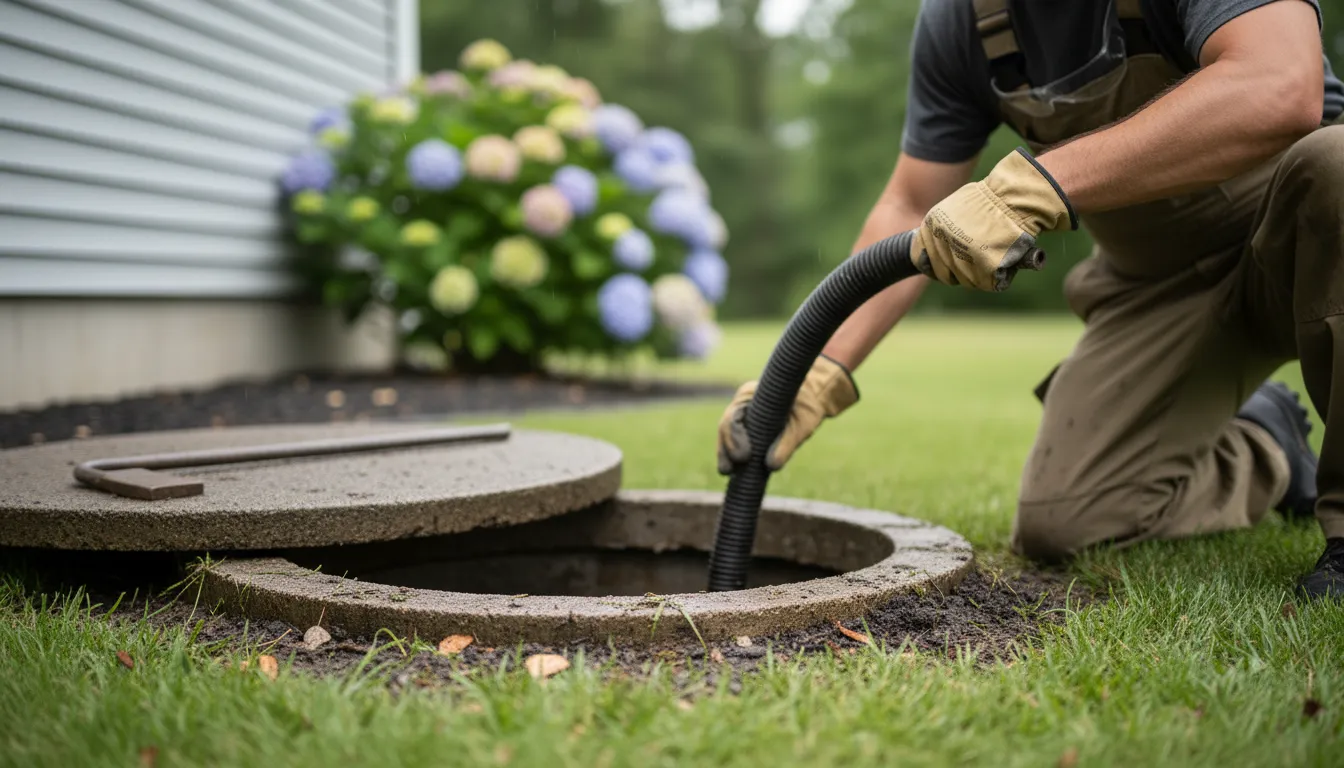
Find the Best Septic Tank Pumping Contractors for Your Business
No obligation • Fast responses • Nationwide coverage

Why you can trust Septic Spot
Septic Spot is a leading United States resource for understanding and comparing septic services. Our editors review providers using consistent criteria and verify key business details. Listings and scores are independent, and companies cannot pay to influence our content.
Search providers near you
Top Septic Tank Pumping Contractors in Haltom City, Texas Ranked
Maintaining your septic system is a crucial responsibility for homeowners not connected to a municipal sewer line. Septic tank pumping is the essential service of removing accumulated solids-sludge and scum-from your tank to prevent system failure, costly repairs, and environmental contamination. For Haltom City residents, understanding local guidelines, costs, and maintenance schedules is key to protecting your property and investment. This guide provides the information you need to find qualified local professionals for your septic service needs.

B & B Pumping
7520 Moran Rd, Azle, TX 76020
B & B Pumping is a septic tank pumping company serving Fort Worth, TX, and the surrounding DFW area. They provide septic care services designed to maintain and protect residential and commercial septic systems. With decades of experience, B & B Pumping focuses on reliable septic tank pumping to help keep systems running smoothly.
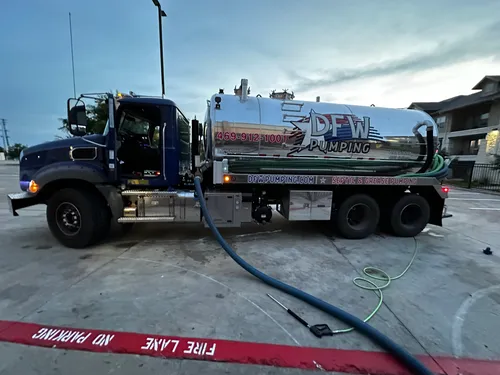
DFW Septic and Grease Services
4881 Montgomery Rd, Midlothian, TX 76065
DFW Septic and Grease Services provides septic tank pumping and inspection services in Dallas, TX. They serve both residential and commercial properties across multiple counties including Ellis, Tarrant, Dallas, Rockwall, Kaufman, Henderson, Navarro, Johnson, and Hill. Their services include septic system cleaning, grease trap maintenance, and thorough onsite inspections for various facilities such as restaurants, retirement homes, and grocery stores. The company offers expert advice and waste collection to help maintain efficient septic systems.
HomeField Parker County
617 Pine St, Aledo, TX 76008
HomeField Parker County is a septic service provider based in Fort Worth, TX, offering comprehensive septic system solutions for both residential and commercial clients. Their services include septic tank pumping, inspections, repairs, installations, drain field replacement, and system design. They also provide real estate septic inspections and maintenance plans to help customers stay compliant with local regulations. HomeField Parker County serves Parker, Johnson, and Hood counties, bringing local expertise to every job. Their team is equipped to handle emergency septic repairs and routine maintenance, ensuring systems operate efficiently and meet current standards.
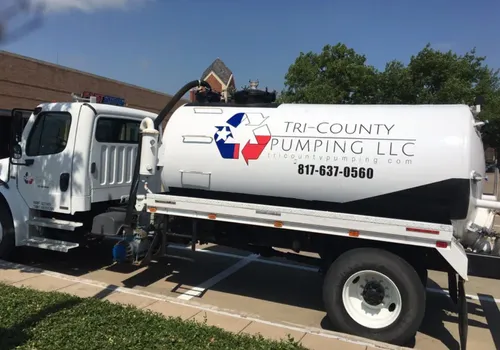
Tri-County Pumping LLC
10964 Blue Sky Dr, Haslet, TX 76052
Tri-County Pumping LLC is a family-owned septic tank pumping company based in Fort Worth, TX. They provide licensed services for both industrial and residential clients, specializing in non-hazardous industrial liquid waste and septic pumping. Their team includes college-degreed and state-licensed professionals who focus on compliance and proper waste management. Tri-County Pumping serves multiple counties including Tarrant, Denton, Wise, Parker, Hood, Johnson, and Dallas. With over 30 years of leadership experience in global operations, engineering, and logistics management, they bring expertise to their service delivery.
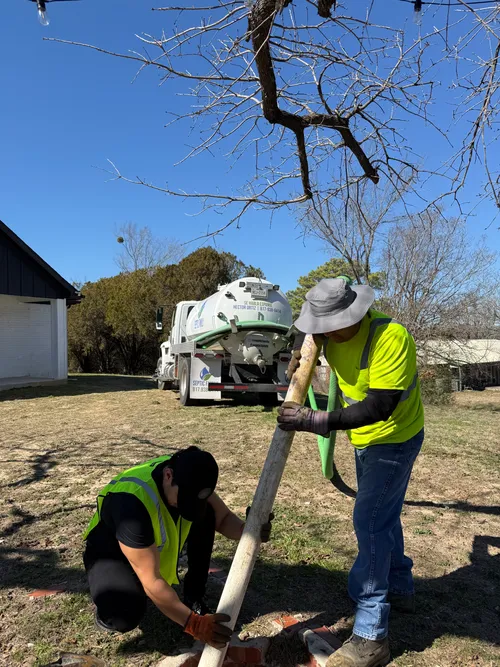
Septic family
545 Harrold St apt 7001, Fort Worth, TX 76107
Septic Family is a septic tank pumping, cleaning, repair, and installation company serving Dallas, TX, and surrounding areas including Fort Worth and multiple nearby communities. The company specializes in both conventional and aerobic septic systems, offering maintenance contracts, installations, and repairs. With 17 years of experience, Septic Family provides bilingual services in English and Spanish and is available 24/7 for septic system needs.
Why Regular Septic System Maintenance is Non-Negotiable
Your septic system is a silent workhorse, treating all the wastewater from your home. When functioning properly, it protects your family's health and the local groundwater. Neglecting routine septic tank cleaning, however, can lead to a cascade of problems. Solids that aren't pumped out will eventually flow into the drainfield, clogging the soil and causing sewage to back up into your home or pool on your lawn. This creates a health hazard, damages your property, and leads to repair bills that far exceed the cost of regular pumping. The Texas Commission on Environmental Quality (TCEQ) emphasizes that regular maintenance, including inspections and pumping, is the homeowner's responsibility for ensuring system longevity and environmental safety1.
Recommended Pumping Frequency for Haltom City Homes
A common question homeowners have is, "How often should I pump my septic tank?" The standard advice for Haltom City, Texas, is to schedule septic tank pumping every 3 to 5 years. However, this is a general guideline. The true frequency depends on several household-specific factors, and sticking rigidly to a 5-year schedule without assessment can be risky.
The TCEQ recommends having your on-site sewage facility (OSSF) inspected every 3 years, which will help determine the optimal pumping schedule. An inspection can reveal the levels of sludge and scum in your tank, providing a data-driven recommendation for when to pump.
Key Factors That Determine Your Pumping Schedule
- Household Size: More people generate more wastewater and solid waste. A system serving 1-2 people with a 750-gallon tank may only need pumping every 5-7 years, while a household of 3-4 people with a 1,000-gallon tank should plan for service every 2.5 to 4 years2 3. For families of 5 or more with a 1,250+ gallon tank, a 2 to 3-year interval is often necessary 4.
- Tank Size: This is the storage capacity of your system. Larger tanks hold more solids and therefore can go longer between pump-outs, all else being equal.
- Total Wastewater Generated: High water usage from frequent laundry, long showers, or many baths accelerates the fill rate of your tank. The use of a garbage disposal significantly increases the amount of solids entering the tank, necessitating more frequent pumping and inspections to avoid failure 5.
- System Age and Condition: Older systems or those with a history of issues may require more vigilant maintenance.
Find the perfect septic tank pumping contractors for your needs
Get personalized recommendations and expert advice
Understanding Septic Service Costs in the Haltom City Area
The cost for septic tank pumping is an investment in your home's infrastructure. In the Haltom City and greater North Texas area, homeowners can expect the average cost to pump a septic tank to range between $300 and $7006 7. Several variables influence where your service falls within this range:
- Tank Size and Volume: This is the primary cost driver. Pumping a standard 1,000-gallon tank will be on the lower end, while servicing a 1,500-gallon or larger tank will cost more due to the increased time, labor, and disposal fees 8.
- Tank Accessibility: If the tank's access lids (manholes) are buried deep, covered by landscaping, or located in a area difficult for a large truck to reach, the job becomes more labor-intensive. Tanks equipped with risers (vertical pipes that bring the access point to ground level) are significantly easier and faster to service, which can reduce cost9.
- Condition of the Tank: If the tank hasn't been pumped in many years, the sludge layer may be extremely compacted, requiring additional effort to break up and remove.
- Additional Services: Many companies offer bundled services. A basic pump-out is one price, but if you also request a full system inspection, minor repairs, or filter cleaning, the total will be higher. Getting an inspection during pumping is highly recommended.
The Critical Role of Professional Inspections
While pumping removes accumulated waste, an inspection assesses the overall health of your entire septic system. Think of pumping as an oil change and an inspection as a full vehicle diagnostic. The TCEQ's recommendation for a triennial inspection is a wise benchmark 10. A professional inspector will:
- Locate and uncover all tank access points.
- Measure sludge and scum layers to determine pump urgency.
- Check the tank's structural integrity for cracks, leaks, or baffle damage.
- Examine the drainfield for signs of failure, such as surfacing effluent or overly lush vegetation.
- Assess the condition of pumps, alarms, and other mechanical components.
Relying on "septic tank additives" that claim to eliminate the need for pumping is not recommended by regulatory agencies or most experts. Regular physical removal of solids through pumping is the only proven method for long-term system care.
Recognizing Warning Signs of a Full or Failing System
Don't wait for a disaster. Be aware of these common signs that your tank needs immediate attention or that your system is failing:
- Slow Drains: Sinks, showers, and toilets that drain slowly, especially throughout the entire house.
- Sewage Odors: Unpleasant smells emanating from drains, the plumbing, or around the tank/drainfield area outdoors.
- Gurgling Sounds: Sounds coming from your plumbing when water drains.
- Wet, Spongy, or Soggy Lawn: Puddles or persistently wet soil over the drainfield, even in dry weather.
- Unusually Green Grass: Strips of grass over the drainfield that are much greener and faster-growing than the rest of the yard.
- Sewage Backup: The most severe sign-wastewater backing up into household drains or toilets.
If you notice any of these signs, contact a professional immediately to prevent further damage and environmental contamination.
How to Prepare for a Pumping Service Visit
A little preparation can make the service call quicker, smoother, and potentially less costly.
- Locate Your Tank: Know where your tank and access lids are. If they are buried, mark the location.
- Clear Access: Ensure the path from the driveway to the tank is clear for large trucks (about 10 feet wide). Remove vehicles, lawn furniture, or low-hanging tree branches.
- Uncover the Lids: If safe and possible, dig down to expose the access manholes. If they have risers, remove the covers.
- Conserve Water: Minimize water use in the house (no laundry, long showers, etc.) for 24 hours prior to service to allow solids to settle, making pumping more effective.
- Keep Records: Have any past maintenance records available for the service technician.
Legal and Regulatory Considerations for Texas Homeowners
- Licensed Service Providers: Always hire a licensed sludge transporter registered with the TCEQ. This ensures they are authorized to haul and dispose of septage properly.
- Maintenance Records: Texas law requires homeowners to keep records of all septic system maintenance, including pumping, inspections, and repairs. These records are crucial for real estate transactions and for diagnosing future problems 11 12.
- Repairs and Permits: Any repair to a septic system component-tank, drainfield, or pump-typically requires a permit from the local authority, such as the city or county health department. Always ensure your contractor pulls the necessary permits 13.
- Protect Your Drainfield: Never drive, park, or build structures (like sheds or patios) over your septic tank or drainfield. The soil compaction can crush pipes and ruin the system's ability to treat wastewater 14.
Frequently asked questions
Sources
Footnotes
-
On-Site Sewage Facilities (Septic Systems): General Information - https://www.tceq.texas.gov/permitting/ossf/ossfgeneral.html ↩
-
HOW OFTEN SHOULD YOU BE PUMPING YOUR SEPTIC TANK? - https://www.sandiegocounty.gov/content/dam/sdc/dpw/WATERSHED_PROTECTION_PROGRAM/WatershedRebates/SRP/PDF/Chart-Septic-Large.pdf ↩
-
How Often Should You Pump Your Septic Tank? - https://tlsepticpumper.com/septic-system-education/how-often-pump-septic-tank/ ↩
-
How Often Should I Pump Out My Septic Tank? - https://cms2.revize.com/revize/westportma/Documents/Departments/Health/Forms%20And%20Resources/how_often_should_i_pump_out_my_septic_tank_2.pdf?t=202508080914340&t=202508080914340 ↩
-
Septic Tank Pumping Frequency: Crucial Maintenance Guide - https://septic911.com/septic-tank-pumping-frequency/ ↩
-
How Often to Pump Septic Tank: 2026 Maintenance Guide - https://dandhsepticservices.com/how-often-to-pump-septic-tank/ ↩
-
Understanding the Average Cost to Pump a Septic Tank - https://www.scorpionsepticservices.com/blog/understanding-the-average-cost-to-pump-a-septic-tank ↩
-
Septic Tank Pump Out Cost in 2025: Average Prices & What Affects Them | Blog - https://www.blueribbonseptic.com/blog/septic-tank-pump-out-cost-guide-2025 ↩
-
Preparing for Septic Tank Pumping: What Homeowners Should Expect - https://www.parkerconcrete.com/preparing-for-septic-tank-pumping-what-homeowners-should-expect/ ↩
-
Does Texas Require Septic Inspection - TexInspec - https://texinspec.com/does-texas-require-septic-inspection/ ↩
-
Septic Tank Laws in Texas - https://dillonseptic.com/septic-tank-laws-in-texas/ ↩
-
What is the smallest amount of capital needed to start a septic pumping business in Texas? - https://www.facebook.com/groups/smallbusinessforsale/posts/3606506902937174/ ↩
-
How Often Should You Pump Your Septic Tank | Pumping Frequency - https://seaboundseptic.com/septic-services/how-often-should-you-pump-your-septic-tank/ ↩
-
Homeowner's Guide to Septic Systems - https://marionhealth.org/wp-content/uploads/2024/02/EPA_Homeowner_Guide_Septic_Systems.pdf ↩