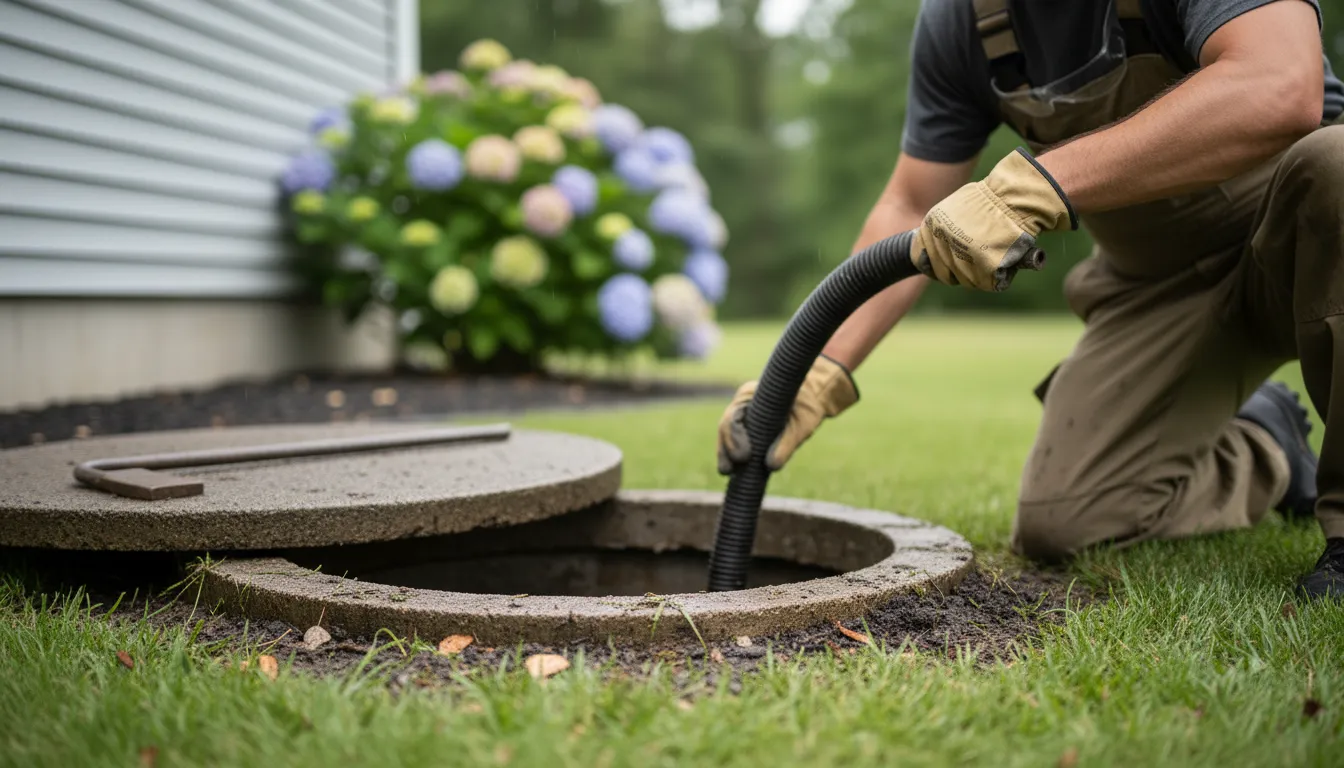
Find the Best Septic Tank Pumping Contractors for Your Business
No obligation • Fast responses • Nationwide coverage

Why you can trust Septic Spot
Septic Spot is a leading United States resource for understanding and comparing septic services. Our editors review providers using consistent criteria and verify key business details. Listings and scores are independent, and companies cannot pay to influence our content.
Search providers near you
Top Septic Tank Pumping Contractors in Longview, Texas Ranked
Maintaining a healthy septic system is a crucial responsibility for homeowners not connected to a municipal sewer line. Septic tank pumping is the essential service that removes accumulated solids and sludge, preventing system failure, costly repairs, and environmental contamination. For Longview residents, understanding local guidelines, frequency recommendations, and how to find qualified professionals is key to protecting your property and investment.
Understanding Your Septic System in Longview
A septic system is an on-site wastewater treatment facility, typically consisting of a tank and a drainfield. The tank, buried underground, separates solids from liquids. Solids settle as sludge at the bottom, while lighter materials like grease and oils float to the top as scum. The clarified liquid in the middle, called effluent, flows out to the drainfield for further treatment by the soil. Over time, the sludge and scum layers build up, reducing the tank's effective capacity and risking solids flowing into the drainfield, which can cause clogging and system failure. Regular septic system pumping is the primary maintenance task to remove these accumulated solids and keep the entire system functioning properly.
In Texas, septic systems are formally known as On-Site Sewage Facilities (OSSF), and their installation and maintenance are guided by rules from the Texas Commission on Environmental Quality (TCEQ). Longview, with its varied soil types, may have both conventional anaerobic systems and more complex aerobic treatment units (ATUs). Knowing which type you have is the first step in determining the right maintenance schedule.
How Often Should You Pump Your Septic Tank?
The most common question homeowners have is about septic tank pumping frequency. While the general rule of thumb is every 3 to 5 years, the ideal schedule for your Longview home depends on several specific factors.
- Household Size and Water Usage: More people in a home means more wastewater and solids entering the tank. A family of 5 or more will fill the tank much faster than a single occupant, potentially requiring service every 1-2 years. Conversely, a smaller household of 3-4 people in a standard-sized tank may align with the 3-5 year guideline.
- Tank Size: The capacity of your tank is a primary determinant. Smaller tanks (under 1,000 gallons) fill with solids more quickly and often need pumping every 2-3 years, even for average-sized families. Larger tanks (1,500 gallons or more) provide more settling space and can often go longer between pump-outs.
- System Type: Conventional, anaerobic systems typically follow the standard pumping schedule. However, aerobic systems, which use oxygen to break down waste more efficiently and are common in areas with poor soil percolation, have different needs. While they may produce less sludge, they require more frequent professional inspections-often 2 to 4 times per year-as part of a maintenance contract. The pumping frequency for an aerobic unit should be determined by the inspecting professional.
- Key Indicators: Don't wait for a problem. Professionals recommend pumping when the sludge and scum layers combined reach about 25-33% of the tank's total liquid capacity 1 2. An annual inspection is the best way to measure this. Signs you may be overdue include slow drains, gurgling pipes, sewage odors in the yard, or unusually lush grass over the drainfield.
Find the perfect septic tank pumping contractors for your needs
Get personalized recommendations and expert advice
What to Expect: The Septic Pumping Process and Costs
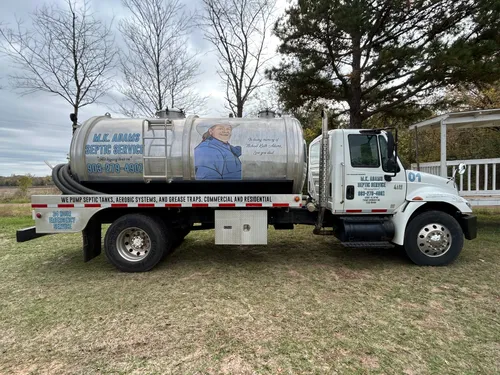
Knowing what happens during a pump-out can help you prepare and ensure the job is done correctly. A standard service from a licensed professional in Longview involves locating and uncovering the tank's access lids, inspecting the inlet and outlet baffles, and using a vacuum truck to remove all contents-sludge, scum, and liquid. The technician should also note the tank's condition and may perform a basic inspection of the drainfield area.
The cost for this essential septic maintenance service in the Longview area typically ranges from $300 to $600 for a standard pump-out of a conventional system 3 4 5. Several factors can influence this price:
- Tank Size and Accessibility: Pumping a larger tank (e.g., 2,000 gallons) costs more than a 1,000-gallon tank. If the tank is buried deep, overgrown, or difficult for the truck to reach, additional labor fees may apply.
- Condition of the Tank: Excessive solid buildup or the presence of non-biodegradable materials can make the job more labor-intensive.
- Additional Services: Many homeowners choose to combine pumping with a full system inspection, which may add to the cost but provides valuable insight into the system's health.
It's advisable to get estimates from a few licensed providers. Always verify that the service provider is a licensed sludge hauler registered with the TCEQ, which you can check through their online database. This ensures proper disposal of the waste at an approved facility.
Best Practices for Septic System Care in East Texas
Pumping is vital, but day-to-day habits significantly impact your system's longevity. Follow these tips to keep your Longview septic system healthy between professional services:
- Conserve Water: Spread out laundry loads, fix leaky faucets promptly, and install high-efficiency fixtures. Sudden large volumes of water can overwhelm the tank and push solids into the drainfield.
- Mind What You Flush: Only human waste and toilet paper should go down the drain. Never flush wipes (even "flushable" ones), feminine hygiene products, dental floss, diapers, or cooking grease. These materials clog pumps and fill the tank prematurely.
- Use Septic-Safe Cleaners: Harsh chemicals, antibacterial soaps, and excessive bleach can kill the beneficial bacteria in your tank that are essential for breaking down solids.
- Protect the Drainfield: Never drive or park vehicles on the drainfield, as compaction crushes the pipes. Plant only grass over the area; tree and shrub roots can cause severe damage. Also, ensure roof drains and sump pumps discharge away from the drainfield to avoid saturation.
The Importance of Professional Inspections
While pumping removes accumulated waste, a professional inspection assesses the overall health of your system. For conventional systems, an annual inspection is strongly recommended 6. During an inspection, a technician will check for leaks, assess baffle condition, measure sludge/scum levels to determine if pumping is needed, and evaluate the drainfield for signs of failure.
For homeowners with aerobic treatment units, more frequent inspections are not just recommended-they are often legally required by the TCEQ as part of a maintenance contract 7. These inspections ensure the aerator, alarms, and chlorinator (if present) are functioning correctly. Skipping inspections can lead to minor issues becoming major, environmentally hazardous failures.
Finding Licensed and Reliable Service in Longview
Your septic system is a significant investment. Choosing the right service provider is critical. Start by looking for companies with specific experience in the Longview area and East Texas soil conditions. Verify their licensing with the TCEQ as both an installer/maintainer and a registered sludge hauler 8. Ask for references and read reviews from local customers. A reputable company will be happy to explain their process, provide a detailed estimate, and answer your questions about your specific system type. Don't base your decision on price alone; the quality of service and proper waste disposal are paramount for your property's safety and environmental compliance.
Frequently asked questions
Sources
Footnotes
-
Septic System - Texas Water Resources Institute - https://twri.tamu.edu/wp-content/uploads/2024/04/em-126-septic-system-maintenance-inspection-pocket-guide.pdf ↩
-
How Often to Pump a Septic Tank - Clear River Environmental - https://clearriverenvironmental.com/how-often-to-pump-a-septic-tank/ ↩
-
Cost of a Septic System in Texas - https://dillonseptic.com/cost-of-a-septic-system-in-texas/ ↩
-
How Often to Pump Septic Tank Pearland | Cost Guide 2025 - https://accurateplumbingtx.com/septic-tank-pumping-frequency-pearland/ ↩
-
How Often Should You Pump Your Septic Tank: 3 Factors Solved - https://www.frasiers.com/blog/sewage-tank-pump-frequency/ ↩
-
How Often Should You Get a Septic Tank Inspection? - https://www.guardianangelinspections.com/how-often-should-you-get-a-septic-tank-inspection ↩
-
Septic Tank Pumping Frequency: Crucial Maintenance Guide - https://septic911.com/septic-tank-pumping-frequency/ ↩
-
On-Site Sewage Facilities (Septic Systems): General Information - https://www.tceq.texas.gov/permitting/ossf/ossfgeneral.html ↩