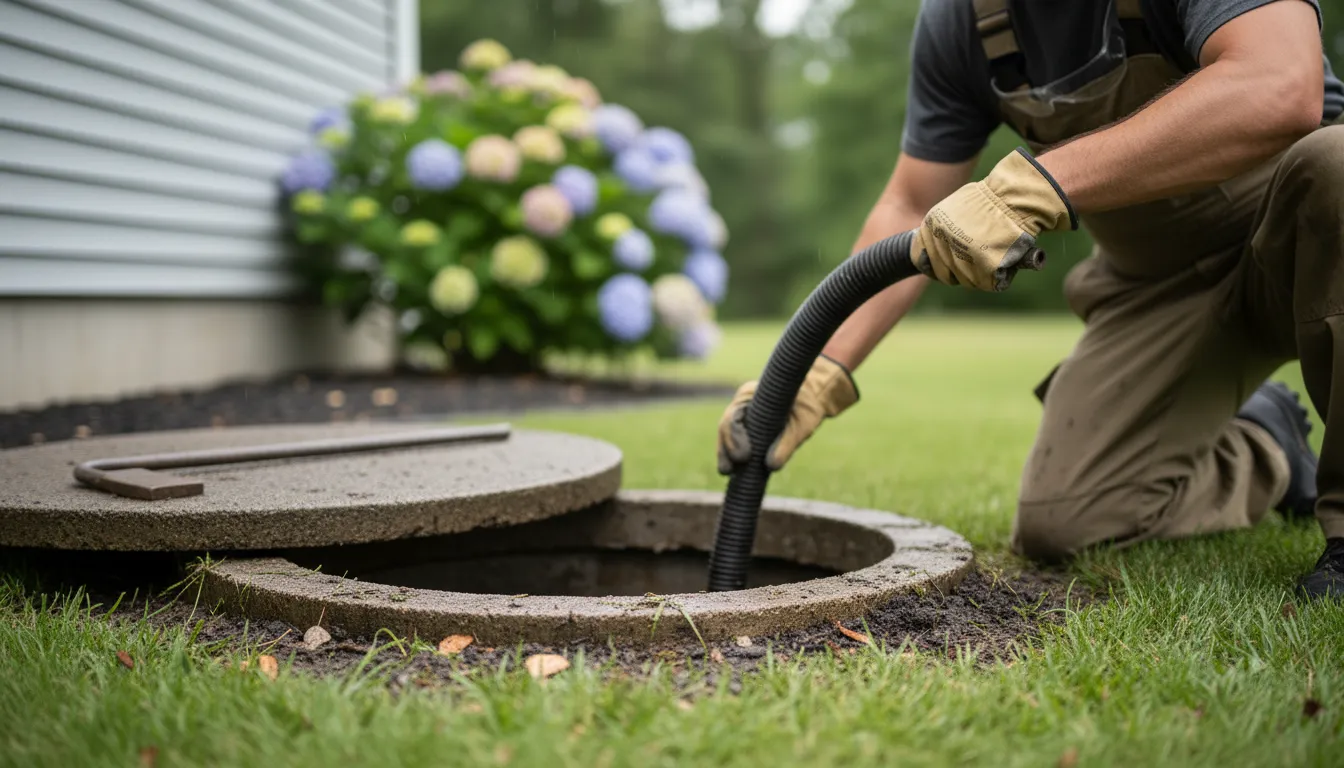
Find the Best Septic Tank Pumping Contractors for Your Business
No obligation • Fast responses • Nationwide coverage

Why you can trust Septic Spot
Septic Spot is a leading United States resource for understanding and comparing septic services. Our editors review providers using consistent criteria and verify key business details. Listings and scores are independent, and companies cannot pay to influence our content.
Search providers near you
Top Septic Tank Pumping Contractors in Mansfield, Texas Ranked
Maintaining your septic system is a crucial responsibility for any homeowner not connected to a municipal sewer line. Septic tank pumping is the essential service of removing accumulated solids from your tank to prevent system failure, backups, and environmental contamination. For residents of Mansfield and Richland County, understanding local regulations and finding a qualified professional is key to protecting your property and public health. This guide provides the information you need to schedule proper septic maintenance, understand typical costs, and connect with reliable local specialists for your pumping and inspection needs.
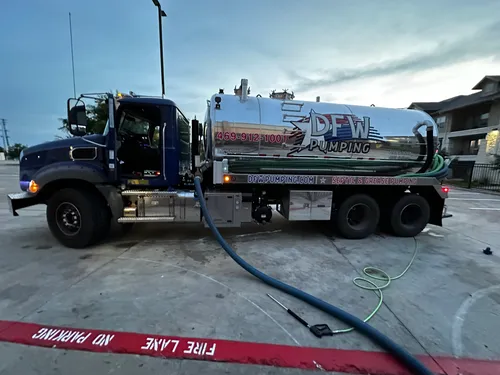
DFW Septic and Grease Services
4881 Montgomery Rd, Midlothian, TX 76065
DFW Septic and Grease Services provides septic tank pumping and inspection services in Dallas, TX. They serve both residential and commercial properties across multiple counties including Ellis, Tarrant, Dallas, Rockwall, Kaufman, Henderson, Navarro, Johnson, and Hill. Their services include septic system cleaning, grease trap maintenance, and thorough onsite inspections for various facilities such as restaurants, retirement homes, and grocery stores. The company offers expert advice and waste collection to help maintain efficient septic systems.
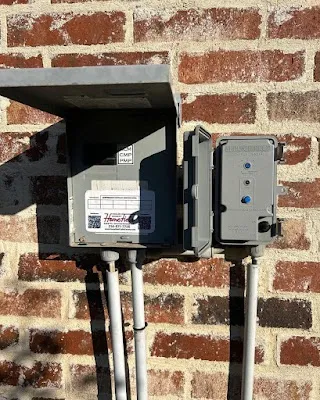
HomeField Parker County
617 Pine St, Aledo, TX 76008
HomeField Parker County is a septic service provider based in Fort Worth, TX, offering comprehensive septic system solutions for both residential and commercial clients. Their services include septic tank pumping, inspections, repairs, installations, drain field replacement, and system design. They also provide real estate septic inspections and maintenance plans to help customers stay compliant with local regulations. HomeField Parker County serves Parker, Johnson, and Hood counties, bringing local expertise to every job. Their team is equipped to handle emergency septic repairs and routine maintenance, ensuring systems operate efficiently and meet current standards.
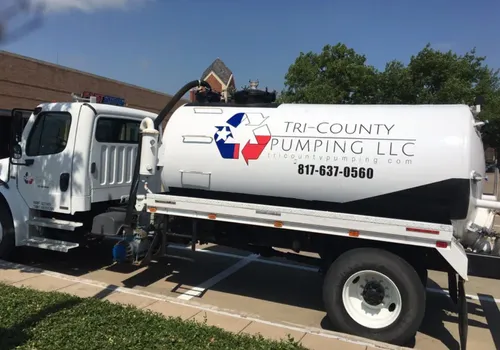
Tri-County Pumping LLC
10964 Blue Sky Dr, Haslet, TX 76052
Tri-County Pumping LLC is a family-owned septic tank pumping company based in Fort Worth, TX. They provide licensed services for both industrial and residential clients, specializing in non-hazardous industrial liquid waste and septic pumping. Their team includes college-degreed and state-licensed professionals who focus on compliance and proper waste management. Tri-County Pumping serves multiple counties including Tarrant, Denton, Wise, Parker, Hood, Johnson, and Dallas. With over 30 years of leadership experience in global operations, engineering, and logistics management, they bring expertise to their service delivery.
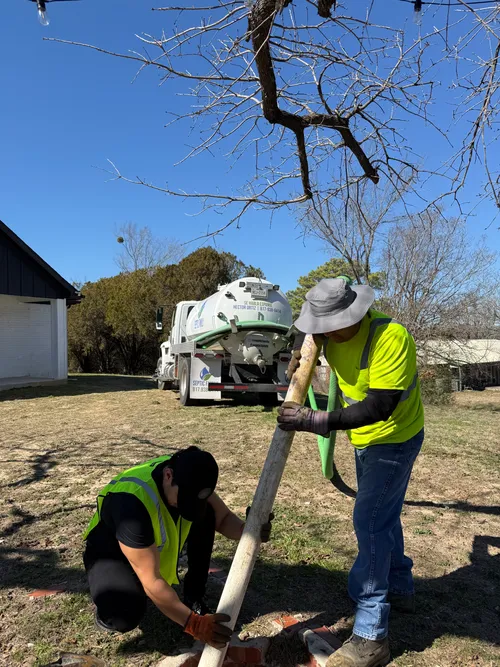
Septic family
545 Harrold St apt 7001, Fort Worth, TX 76107
Septic Family is a septic tank pumping, cleaning, repair, and installation company serving Dallas, TX, and surrounding areas including Fort Worth and multiple nearby communities. The company specializes in both conventional and aerobic septic systems, offering maintenance contracts, installations, and repairs. With 17 years of experience, Septic Family provides bilingual services in English and Spanish and is available 24/7 for septic system needs.
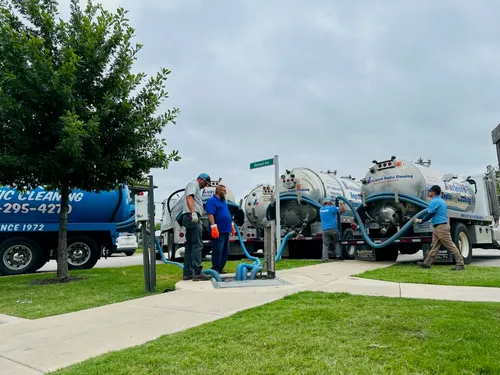
Burleson Septic Cleaning
2410 SW Hulen St, Burleson, TX 76028
Burleson Septic Cleaning is a family-owned septic service provider based near Dallas, TX, serving Tarrant and Johnson Counties. Since 1972, they have offered residential and commercial septic tank pumping, system cleaning, and repair services. Their team uses state-of-the-art commercial vacuum trucks and specializes in lift station maintenance and repair. With over 50 years of experience, Burleson Septic Cleaning provides true 24/7 emergency service with live operators to handle septic issues anytime.
Why Regular Septic System Maintenance is Non-Negotiable
Your septic system is a silent workhorse, treating all the wastewater from your home. When functioning correctly, it protects your family's health and preserves the local groundwater quality. Neglecting routine septic tank pumping, however, can lead to a cascade of expensive and unpleasant problems. Solids that are not pumped out will eventually flow into the drain field, clogging the soil and causing sewage to surface in your yard or back up into your home. Regular maintenance is far less costly than repairing or replacing a failed drain field.
In Ohio, and specifically in Richland County, homeowners are legally responsible for maintaining their Sewage Treatment System (STS) in compliance with state and local codes. This isn't just a suggestion-it's a requirement to safeguard community health. A failing system can contaminate wells, streams, and lakes, posing serious public health risks. Proactive care through scheduled pumping is the simplest way to ensure compliance and avoid regulatory action.
Recommended Pumping Frequency for Mansfield Homes
How often should you schedule septic tank pumping? The most common guideline is every 3 to 5 years for a typical household system 1. However, this is a general rule, and the ideal interval for your Mansfield home depends on several factors:
- Tank Size: Smaller tanks fill with solids more quickly.
- Household Size: More residents mean more wastewater and solids.
- Water Usage: High-volume appliances like washing machines and garbage disposals increase the load.
- Solid Waste: What you flush significantly impacts accumulation rates.
A system with high usage or a smaller tank may require pumping more frequently than every three years. The only way to know for sure is through a professional inspection. A licensed contractor can measure the sludge and scum layers in your tank during a pumping service and recommend a personalized schedule for future maintenance.
What to Expect: The Septic Pumping Process
Understanding what happens during a septic service visit can help you prepare and ensure the job is done correctly. A standard septic pumping service in Mansfield typically involves:
- Locating and Uncovering the Tank: The technician will find your tank's access lids, which may require some digging.
- Initial Inspection: The lids are opened to visually inspect the inlet and outlet baffles and check for any obvious signs of damage or failure.
- Pumping: A large truck-mounted hose is inserted into the tank, and a powerful vacuum pump removes all the liquid and solid waste.
- Secondary Inspection & Cleaning: After pumping, the tank is often rinsed to observe the walls and structure better. The technician should check the baffles and tees for integrity.
- System Check: Some providers will run water from your home to verify that the system is draining properly from the tank into the drain field.
- Reporting: You should receive a report detailing the services performed, the condition of your system, and any recommendations for repairs or the next pumping date.
This comprehensive approach ensures that you're not just getting a pump-out, but a full health check for your onsite wastewater system.
Understanding Costs for Septic Pumping in Richland County
The cost to pump a septic tank can vary based on your specific situation. For most homes in the Mansfield area, you can expect the price to generally range from $250 to over $500 2.
- Small Tanks: Pumping a smaller tank may start around $250.
- Standard Residential Tanks: For a typical 1,000-gallon tank, costs often fall between $400 and $500.
- Large or Complex Systems: Larger tanks, difficult site access (e.g., long hose runs, buried lids), or the need for additional repairs can push the price to $1,000 or more 3.
While price is a consideration, the most critical factor is hiring a Sewage Treatment System (STS) contractor registered with the local health district 4. Registered contractors understand Mansfield and Richland County's specific rules and will ensure the work is done to code, which protects your investment.
Find the perfect septic tank pumping contractors for your needs
Get personalized recommendations and expert advice
Key Regulations for Mansfield & Richland County Homeowners
Ohio law governs the installation, maintenance, and pumping of septic systems. In Richland County, you must use a contractor registered with the local health department to perform any servicing on your STS 5. These professionals are trained in state codes and ensure that waste is disposed of at approved facilities. DIY pumping is not only dangerous but likely violates local regulations.
Furthermore, if you are buying or selling a home with a septic system, a transfer inspection by a licensed inspector is often required. Staying informed about these rules helps avoid legal headaches and ensures your system contributes to a safe environment. Regular pumping records from a registered provider are your best documentation of compliance.
Pro Tips for a Healthy Septic System
Pumping is vital, but what you do between services greatly extends your system's life. Follow these maintenance tips to keep your septic system running smoothly:
- Conserve Water: Spread out laundry loads and fix leaky faucets to avoid hydraulically overloading the tank.
- Mind What You Flush: Only human waste and toilet paper should go down the drain. Never flush wipes (even "flushable" ones), feminine hygiene products, dental floss, or paper towels.
- Use the Trash Can, Not the Drain: Avoid using a garbage disposal, as it significantly increases solid waste. Never pour cooking grease, oils, or harsh chemicals like paint thinner down the drain 6.
- Protect Your Drain Field: Never park or drive heavy vehicles over it. Keep roof drains and sump pumps directed away from the area.
Signs Your Septic Tank Needs Immediate Attention
Don't wait for your scheduled maintenance if you notice these warning signs of a full or failing system:
- Slow Drains: Sinks, showers, and toilets that drain slowly throughout the house.
- Sewage Odors: Unpleasant smells indoors near drains or outdoors near the tank/drain field.
- Gurgling Sounds: Bubbling or gurgling noises from your plumbing.
- Wet, Spongy Yard: Lush green grass or soggy ground over the drain field, especially when it hasn't rained.
- Sewage Backup: The most severe sign-wastewater backing up into household drains.
If you observe any of these issues, contact a registered septic professional in Mansfield immediately to assess the situation before it becomes an emergency.
The Importance of Professional Inspection
A thorough inspection should accompany every pumping service. A qualified technician doesn't just remove waste; they evaluate the entire system's health. They check for:
- Sludge and Scum Levels: To determine your optimal pumping schedule.
- Baffle and Tee Integrity: These components are crucial for preventing solids from entering the drain field.
- Tank Structure: Looking for cracks, leaks, or corrosion.
- Drain Field Function: Assessing if liquid is properly evacuating from the tank.
This inspection can identify small problems-like a damaged baffle-before they cause a complete system failure, saving you thousands of dollars in the long run 7.
Frequently asked questions
Sources
Footnotes
-
How Often to Pump a Septic Tank - Clear River Environmental - https://clearriverenvironmental.com/how-often-to-pump-a-septic-tank/ ↩
-
How much does it cost to get a septic tank pumped out? - Reddit - https://www.reddit.com/r/homeowners/comments/1nyn7a4/how_much_does_it_cost_to_get_a_septic_tank_pumped/ ↩
-
How Much Does It Cost to Pump a Septic Tank? - Dooley Service Pro - https://www.dooleyservicepro.com/blog/how-much-does-it-cost-to-pump-a-septic-tank/ ↩
-
Information for Homeowners - https://odh.ohio.gov/know-our-programs/sewage-treatment-systems/INFORMATION-FOR-HOMEOWNERS ↩
-
Septic Tank Rules & Regulations |Mansfield & Richland County, OH - https://septicsbyeagle.com/septic-rules-in-ohio/ ↩
-
Septic Tanks - Preventative Routine Maintenance - https://des.sc.gov/permits-regulations/septic-tanks/homeowner-resources/septic-tanks-preventative-routine-maintenance ↩
-
STS Components, Systems and Maintenance - https://odh.ohio.gov/know-our-programs/sewage-treatment-systems/information-for-homeowners/sts-components-systems-and-maintenance ↩