
Find the Best Septic Tank Pumping Contractors for Your Business
No obligation • Fast responses • Nationwide coverage

Why you can trust Septic Spot
Septic Spot is a leading United States resource for understanding and comparing septic services. Our editors review providers using consistent criteria and verify key business details. Listings and scores are independent, and companies cannot pay to influence our content.
Search providers near you
Top Septic Tank Pumping Contractors in Mesquite, Texas Ranked
Maintaining your septic system is a crucial responsibility for homeowners in Mesquite. Regular septic tank pumping is essential to prevent system failures, protect your property value, and safeguard public health and the local environment. This guide explains the importance of routine maintenance, outlines Texas and local regulations, and provides clear information to help you find qualified, licensed professionals for your septic service needs.
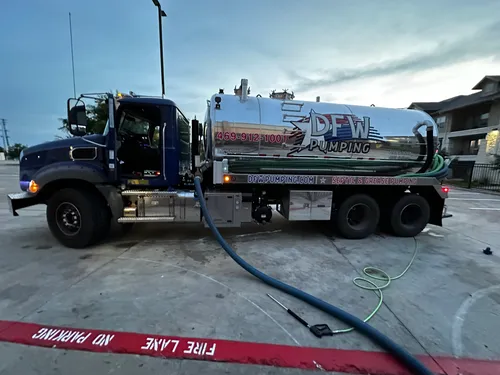
DFW Septic and Grease Services
4881 Montgomery Rd, Midlothian, TX 76065
DFW Septic and Grease Services provides septic tank pumping and inspection services in Dallas, TX. They serve both residential and commercial properties across multiple counties including Ellis, Tarrant, Dallas, Rockwall, Kaufman, Henderson, Navarro, Johnson, and Hill. Their services include septic system cleaning, grease trap maintenance, and thorough onsite inspections for various facilities such as restaurants, retirement homes, and grocery stores. The company offers expert advice and waste collection to help maintain efficient septic systems.

Bacon Plumbing Heating Air Electric
2055 Kristy Ln, Rockwall, TX 75032
Bacon Plumbing Heating Air Electric is a full-service company based in Dallas, TX, offering plumbing, HVAC, electrical, sewer, and septic services. Founded in 2011, they serve the Dallas-Fort Worth metroplex and Houston areas with a team of licensed and insured professionals. The company provides 24/7 emergency services and backs their work with various warranties, including a 25-year warranty on full sewer re-pipes. Their expertise includes septic tank pumping and comprehensive plumbing solutions.
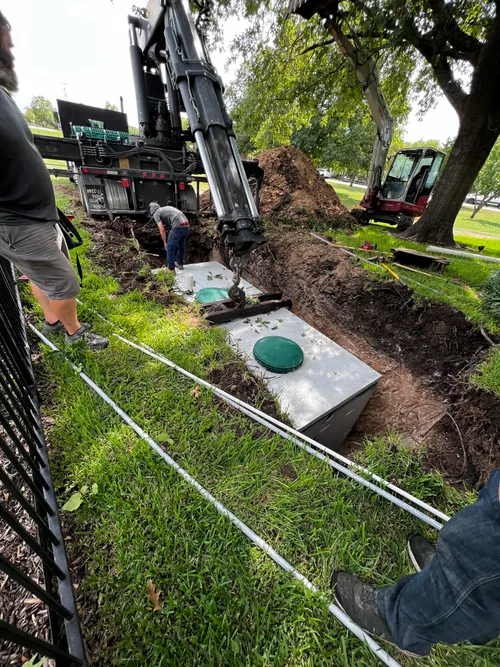
A A Septic Services
2634 TX-276, Quinlan, TX 75474
A A Septic Services is a family-owned septic tank pumping company serving Dallas, TX. Established in 1994, they provide septic tank cleaning, pumping, and locating for both residential and commercial aerobic and conventional septic systems. The company emphasizes quality workmanship and offers flexible scheduling. They respond to emergencies within 24 hours, ensuring timely service when needed.
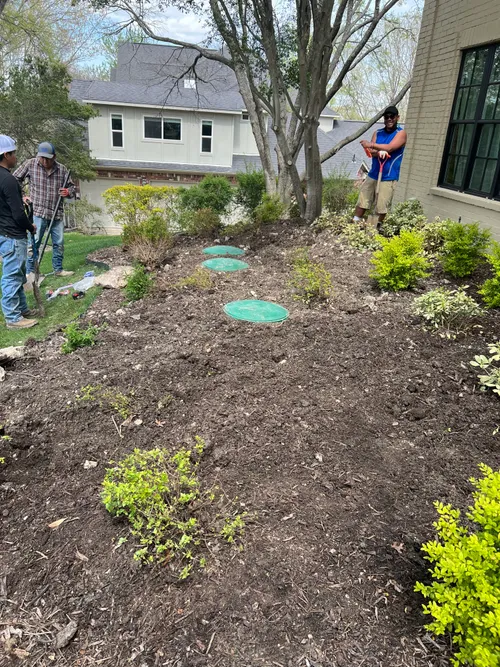
Year Round Septic
Dallas, TX
Year Round Septic is a septic service provider based in Dallas, TX. They specialize in septic tank installation for new construction and replacement projects, septic tank repair, and comprehensive septic tank inspections. The company offers 24/7 emergency services to address urgent septic system issues promptly. They also facilitate regular septic tank pumping for both residential and commercial properties to maintain system functionality and prevent problems.
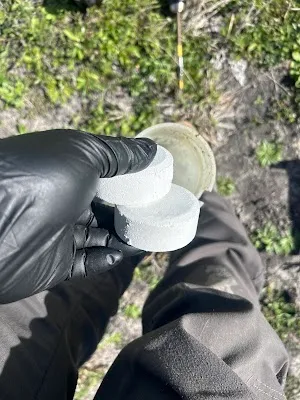
HomeField Collin County
McKinney, TX
HomeField Collin County provides septic system services in McKinney, TX, including septic tank pumping, inspection, repair, installation, and pump replacement. The company is known for thorough septic system repairs and maintenance, with technicians who explain system components clearly to customers. HomeField Collin County serves residential clients throughout the area, offering knowledgeable and responsive service to address various septic needs.
Why Regular Septic Maintenance is Non-Negotiable
Your septic system is an on-site wastewater treatment plant. When functioning correctly, it safely processes household water from toilets, showers, sinks, and appliances. Over time, solid waste (sludge) accumulates at the bottom of the tank, and lighter materials like grease and soap (scum) form a layer on top. If these layers become too thick, they can flow into the drain field, causing clogs, sewage backups into your home, and costly environmental contamination 1.
Pumping your septic tank removes these accumulated solids, giving the liquid effluent more space to properly settle and separate before flowing to the drain field. Neglecting this service is the leading cause of system failure. A failed system can lead to:
- Raw sewage surfacing in your yard.
- Foul odors inside and outside your home.
- Contamination of groundwater and nearby water sources.
- Repair or replacement costs that can reach tens of thousands of dollars.
Recommended Pumping Frequency for Mesquite Homes
There is no one-size-fits-all schedule for septic tank cleaning. The frequency depends on your household's specific conditions. General guidelines suggest that a system should be inspected every 1-3 years and pumped every 3-5 years. However, several key factors can shorten this interval:
- Household Size: More people generate more wastewater and solid waste, filling the tank faster.
- Tank Size: A smaller tank (e.g., 750 gallons) will need service more often than a larger one (e.g., 1,500 gallons).
- Water Usage: Excessive water from long showers, frequent laundry loads, or leaky fixtures reduces the tank's treatment efficiency.
- Garbage Disposal Use: Disposals significantly increase the amount of solids and grease entering the tank.
- Type of System: Standard anaerobic systems have different maintenance needs compared to aerobic treatment units (ATUs), which may require more frequent servicing of mechanical parts.
A common rule of thumb is that a 1,000-gallon tank serving a family of four typically requires pumping every 2.5 to 3 years 2. The only way to know for sure is through a professional inspection, which measures the sludge and scum layers inside your tank.
Texas and Mesquite Regulations for Septic Services
Texas classifies septic systems as On-Site Sewage Facilities (OSSF). State law is clear: all pumping, maintenance, and repair work must be performed by a licensed and registered professional 3 4. Hiring an unlicensed individual is illegal and risks improper service that could damage your system and void any warranties.
- Licensing: Service providers must be licensed by the Texas Commission on Environmental Quality (TCEQ). You can verify a contractor's license status on the TCEQ website 5.
- Inspections: A proper inspection should evaluate sludge/scum levels, check the tank's structural integrity, and ensure all components (like effluent filters or aerators in aerobic systems) are functioning.
- Record Keeping: Maintain detailed records of all inspections, pumping, and repairs. These documents are vital for proving compliance, troubleshooting issues, and are often required if you sell your home.
- Local Rules: While residential systems follow TCEQ guidelines, the City of Mesquite enforces specific rules for commercial establishments, requiring grease traps/interceptors to be pumped at least twice a year 6.
Understanding the Cost of Septic Tank Pumping in Mesquite
The cost to pump your septic tank in the Mesquite area varies based on several factors. The primary determinant is the size (volume) of your tank. Below is a general cost estimate based on tank size 7 8 9:
| Septic Tank Size (Gallons) | Estimated Average Cost |
|---|---|
| 750 | $250-$550 |
| 1,000 | $325-$700 |
| 1,250 | $375-$900 |
| 1,500 | $450-$1,100 |
Other factors that can influence the final price include:
- Tank Accessibility: If the tank lid is buried deep, covered by landscaping, or difficult for trucks to reach, the job will take more time and labor.
- Condition of Tank: Extremely thick sludge or a tank that has never been pumped may require extra effort or specialized equipment.
- Additional Services: The quoted price may be for pumping only. Costs will increase if you also need a full inspection, minor repairs, or to have the drain field jetted.
- Locating the Tank: If the tank's access ports are not visible, the provider may charge a fee to locate it.
Always get a detailed, written estimate before work begins. A reputable provider will be transparent about what is included in the base price and what constitutes an extra charge.
Find the perfect septic tank pumping contractors for your needs
Get personalized recommendations and expert advice
The Inspection: More Than Just Checking the Tank
A comprehensive septic system inspection is a smart investment. It goes beyond just measuring sludge. A licensed inspector will:
- Locate and uncover the tank and distribution box.
- Measure the sludge and scum layers to determine if pumping is needed.
- Check the tank's inlet and outlet baffles for blockages or damage.
- Inspect the tank walls and lid for cracks or signs of structural failure.
- For aerobic systems, test the aerator, alarm, and spray heads.
- Evaluate the drain field for signs of failure, such as soggy soil or surfacing effluent.
This inspection provides a complete health report for your system, allowing you to address small problems before they become catastrophic failures 10.
Choosing a Qualified Septic Service Provider in Mesquite
Selecting the right company is critical. Here's what to look for:
- TCEQ License: Confirm their license is current and in good standing.
- Insurance: Ensure they carry liability and workers' compensation insurance.
- Experience & Reputation: Look for established companies with positive reviews and testimonials from local homeowners.
- Detailed Estimates: Avoid vague quotes. A professional will provide a clear breakdown of costs.
- Service Offerings: Some companies specialize in only pumping, while others offer full-service maintenance, repairs, and installation. Choose one that matches your needs.
- Record Documentation: They should provide you with a detailed service report after each visit, which is essential for your records.
Maintaining Your System Between Pumpings
Proper care extends the life of your system and stretches the time between necessary pumpings.
- Conserve Water: Fix leaky faucets and toilets promptly. Spread out laundry loads over the week.
- Mind What You Flush: Only human waste and toilet paper should go down the toilet. Never flush wipes (even "flushable" ones), feminine hygiene products, dental floss, or chemicals.
- Use the Trash, Not the Drain: Avoid using a garbage disposal if possible. Dispose of cooking grease, coffee grounds, and food scraps in the trash.
- Protect the Drain Field: Never park vehicles or build structures over the drain field. Divect downspouts and surface water away from the area.
For personalized advice on a maintenance schedule tailored to your home, consulting a licensed septic system inspector is the best course of action 11.
Frequently asked questions
Sources
Footnotes
-
Frequent Questions on Septic Systems | US EPA - https://www.epa.gov/septic/frequent-questions-septic-systems ↩
-
How Often Should I Pump Out My Septic Tank? - https://cms2.revize.com/revize/westportma/Documents/Departments/Health/Forms%20And%20Resources/how_often_should_i_pump_out_my_septic_tank_2.pdf?t=202508080914340&t=202508080914340 ↩
-
Texas Septic Tank Rules - https://dillonseptic.com/texas-septic-tank-rules/ ↩
-
Septic Tank Laws in Texas - https://dillonseptic.com/septic-tank-laws-in-texas/ ↩
-
On-Site Sewage Facilities (Septic Systems): General Information - https://www.tceq.texas.gov/permitting/ossf/ossfgeneral.html ↩
-
Grease/Grit Interceptor Requirements | Mesquite, TX - Official Website - https://www.cityofmesquite.com/3309/GreaseGrit-Interceptor-Requirements ↩
-
How Much Does It Cost to Pump a Septic Tank? [2026 Data] | Angi - https://www.angi.com/articles/how-much-does-septic-tank-pumping-cost.htm ↩
-
Understanding the Average Cost to Pump a Septic Tank - https://www.septicblue.com/understanding-the-average-cost-to-pump-a-septic-tank ↩
-
Septic Tank Pumping Cost: Guide & Pricing in 2025 - Splash Plumbing - https://www.splashplumbing.com/how-much-does-it-cost-to-pump-septic-tank-understanding-pricing-and-factors-involved/ ↩
-
Texas OSSF Inspection Requirements: Complete Guide for 2025 - https://www.fieldbaseos.com/blog/texas-ossf-inspection-requirements.html ↩
-
HOW OFTEN SHOULD YOU BE PUMPING YOUR SEPTIC TANK? - https://www.sandiegocounty.gov/content/dam/sdc/dpw/WATERSHED_PROTECTION_PROGRAM/WatershedRebates/SRP/PDF/Chart-Septic-Large.pdf ↩