
Find the Best Septic Tank Pumping Contractors for Your Business
No obligation • Fast responses • Nationwide coverage

Why you can trust Septic Spot
Septic Spot is a leading United States resource for understanding and comparing septic services. Our editors review providers using consistent criteria and verify key business details. Listings and scores are independent, and companies cannot pay to influence our content.
Search providers near you
Top Septic Tank Pumping Contractors in Mission, Texas Ranked
Maintaining a healthy septic system is a crucial responsibility for homeowners not connected to a municipal sewer line. Septic tank pumping is the essential process of removing accumulated solids from your tank to prevent system failure, backups, and costly environmental damage. This guide provides Mission residents with expert information on septic maintenance schedules, local regulations, and what to expect from professional services, helping you make informed decisions to protect your home and property.
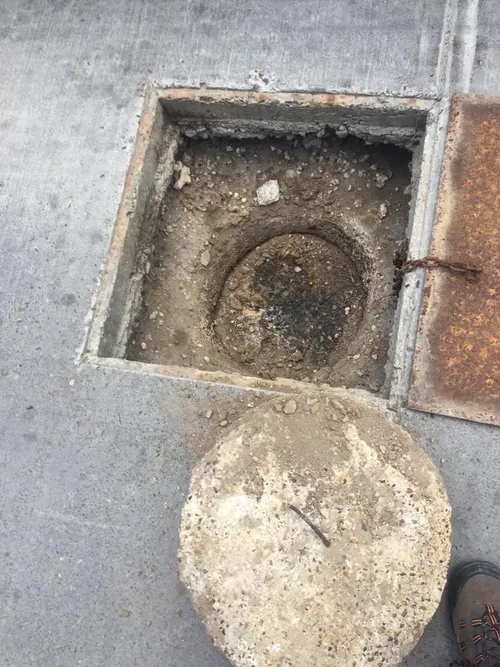
Understanding Your Septic System in Mission
A septic system is an on-site wastewater treatment structure, typically consisting of a tank and a drain field. In Mission, many homes rely on these systems to safely process household water from toilets, showers, sinks, and laundry. The tank's primary job is to separate solids from liquids. Over time, a layer of sludge (heavy solids) settles at the bottom, while a scum layer (grease and light materials) floats to the top. The clarified liquid in the middle flows out to the drain field for further treatment in the soil. Regular septic tank cleaning is necessary because if the sludge and scum layers become too thick, they can clog the outlet and cause sewage to back up into your home or fail prematurely in the drain field.
How Often Should You Pump Your Septic Tank?
The most common question homeowners have is about the recommended frequency for septic system pumping. While a standard guideline is every 3 to 5 years for a conventional system, the ideal schedule for your Mission home depends on several key factors 1.
- Household Size and Water Usage: A family of six will fill a tank much faster than a single occupant. More people mean more wastewater and more solids entering the system.
- Tank Capacity: Older homes may have smaller tanks (e.g., 750-1,000 gallons) that require more frequent septic tank servicing. Modern systems are often 1,500 gallons or larger.
- Overall System Health: A system that is inspected regularly and used properly can often go longer between pump-outs.
For smaller tanks or larger households (4+ people), a more frequent schedule of every 1 to 2 years may be necessary 2 3. The most reliable method is to have your tank inspected annually. A professional will measure the sludge and scum layers; pumping is recommended when the combined thickness reaches about 25-33% of the tank's liquid depth 4 5.
The Importance of Regular Septic Inspections
Pumping is just one part of comprehensive septic care. The U.S. Environmental Protection Agency advises having your entire on-site sewage facility (OSSF) inspected every 1 to 3 years by a licensed professional 6. In Texas, this isn't just a recommendation-it's a key part of responsible ownership. An inspection goes beyond just checking sludge levels.
A qualified inspector will:
- Measure sludge and scum accumulation to determine if pumping is needed.
- Check inlet and outlet baffles or tees to ensure they are intact and functioning.
- Inspect the tank structure for cracks, leaks, or signs of deterioration.
- Examine the drain field for signs of surfacing effluent or soggy ground.
- For aerobic treatment systems (common in many parts of Texas), check mechanical components like aerators, pumps, and alarms.
Texas regulations require licensed professionals to inspect systems, and for aerobic systems, a valid maintenance contract is often mandatory. Regular inspections can identify small problems-like a broken baffle or a minor leak-before they turn into expensive emergencies.
What to Expect: The Septic Pumping Process
When you schedule a septic tank emptying service, knowing what to expect can make the process smoother.
- Locating and Uncovering the Tank: The service technician will locate your tank and risers (access ports). If you don't have risers, they may need to dig to access the tank lids. Texas regulations require inspection/cleanout ports on the tank top for maintenance access 7.
- Initial Inspection: Before pumping, a quick visual inspection of the tank's interior and components is often performed.
- Pumping: Using a large tanker truck with a powerful vacuum hose, the technician will remove all the liquid and solid waste from your tank. This includes the sludge, scum, and the clarified liquid in between.
- Post-Pumping Inspection & System Check: After the tank is empty, a good provider will inspect the tank walls, baffles, and the outlet once more. They may also run water from your house to briefly check the flow from the tank to the drain field.
- Proper Waste Disposal: The collected waste, or septage, is transported by a licensed hauler to a designated treatment facility. You can verify a hauler's registration through the Texas Commission on Environmental Quality (TCEQ) database.
A pro tip for Mission homeowners: schedule septic maintenance during dry periods. Pumping a tank when the surrounding soil is saturated can, in rare cases, cause an empty tank to float out of the ground due to buoyancy.
Find the perfect septic tank pumping contractors for your needs
Get personalized recommendations and expert advice
Understanding Costs for Septic Services in Mission
The cost for septic tank pumping can vary based on several local factors. While we provide general ranges based on available data, always get a detailed quote from a licensed local provider.
- Tank Size: This is the primary cost driver. Pumping a small or medium-sized tank (under 1,500 gallons) typically ranges from $250 to $400. For larger tanks (1,500 to 2,000+ gallons), costs can range from $400 to over $500.
- Accessibility: If your tank lids are buried and require significant digging to access, you will likely incur additional labor charges. Installing permanent risers can save money on future service calls.
- Additional Services: If your inspection reveals a problem-like a clogged outlet, damaged baffle, or issues with the drain field-repair costs will be added. A standard pumping service may not include a full diagnostic inspection, so clarify what is included in the quoted price.
The general average for pumping alone often falls between $200 and $1,200+, depending on the provider and system complexity 8 9. Investing in routine pumping is far less expensive than dealing with a failed drain field or major backup.
Local Regulations and Best Practices for Hidalgo County
Mission residents must adhere to Texas state and local Hidalgo County regulations for septic systems. Key points include:
- Licensing is Required: Always hire a TCEQ-licensed installer or maintenance provider for inspection, pumping, and repair work 10.
- Aerobic System Contracts: If you have an aerobic treatment system (which uses an aerator to break down waste), state law requires you to maintain a valid contract with a licensed maintenance provider for regular servicing 11.
- Water Conservation: Using less water extends the life of your system. Fix leaks, install water-efficient fixtures, and spread out laundry loads throughout the week.
- Mind What You Flush: Only human waste and toilet paper should go down the drain. Avoid flushing wipes (even "flushable" ones), feminine hygiene products, cooking grease, chemicals, and medications.
Disclaimer: Regulations in Hidalgo County may have specific local amendments; always consult a local licensed installer for your property's specific requirements.
Signs Your Septic Tank Needs Immediate Attention
Don't wait for a full-blown disaster. Be aware of these warning signs that your system needs septic tank servicing or repair:
- Slow Drains: Sinks, showers, and toilets that drain slowly, especially if gurgling is involved.
- Unpleasant Odors: Sewage smells inside your home or around the drain field area in your yard.
- Soggy Lawn: Unexpectedly lush, wet, or spongy grass over the drain field, particularly when it hasn't rained.
- Sewage Backup: The most severe sign-wastewater backing up into household drains.
- Standing Water: Puddles of grey or foul water around the tank or drain field.
If you notice any of these signs, contact a licensed professional immediately to assess the situation. Prompt action can prevent more extensive and expensive damage.
Frequently asked questions
Sources
Footnotes
-
Maintenance of On-Site Sewage Facilities (Septic Systems) - https://www.tceq.texas.gov/permitting/ossf/ossfmaintenance.html ↩
-
Septic Systems | Department of Environmental Protection - https://www.pa.gov/agencies/dep/residents/my-water/septic-systems ↩
-
How Often to Pump Septic Tank Pearland | Cost Guide 2025 - https://accurateplumbingtx.com/septic-tank-pumping-frequency-pearland/ ↩
-
Septic System - Texas Water Resources Institute - https://twri.tamu.edu/wp-content/uploads/2024/04/em-126-septic-system-maintenance-inspection-pocket-guide.pdf ↩
-
How Often to Pump a Septic Tank 2026 - Clear River Environmental - https://clearriverenvironmental.com/how-often-to-pump-a-septic-tank/ ↩
-
Frequent Questions on Septic Systems | US EPA - https://www.epa.gov/septic/frequent-questions-septic-systems ↩
-
30 Tex. Admin. Code § 285.32 - Criteria for Sewage Treatment ... - https://www.law.cornell.edu/regulations/texas/30-Tex-Admin-Code-SS-285-32 ↩
-
Septic Tank Pumping Cost: Guide & Pricing in 2025 - Splash Plumbing - https://www.splashplumbing.com/how-much-does-it-cost-to-pump-septic-tank-understanding-pricing-and-factors-involved/ ↩
-
Cost to Pump Septic Tank: Tips to Save on Cleaning Fees - https://ivanssiteservices.com/blog/cost-to-pump-septic-tank-what-to-expect-and-how-to-save/ ↩
-
On-Site Sewage Facilities (Septic Systems): General Information - Texas Commission on Environmental Quality - www.tceq.texas.gov - https://www.tceq.texas.gov/permitting/ossf/ossfgeneral.html ↩
-
Texas Septic System Regulations - https://dillonseptic.com/texas-septic-system-regulations/ ↩