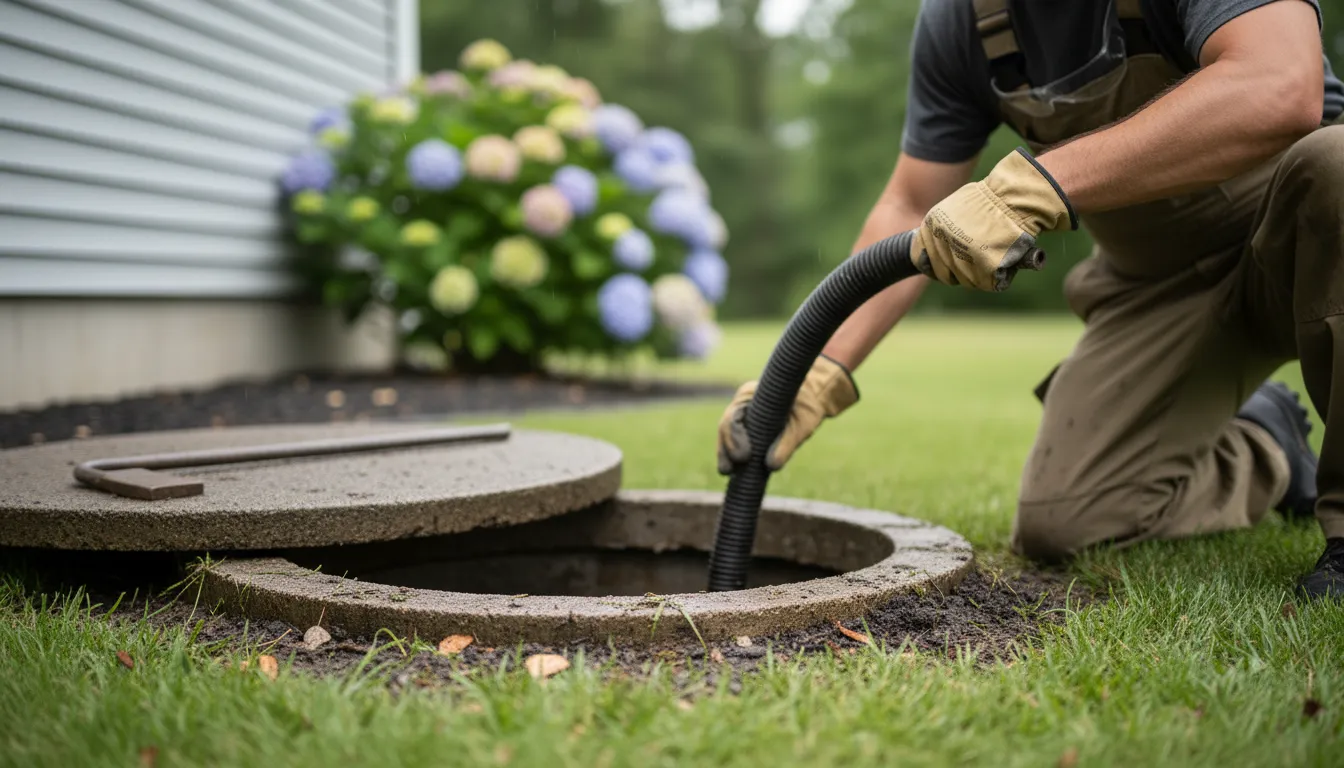
Find the Best Septic Tank Pumping Contractors for Your Business
No obligation • Fast responses • Nationwide coverage

Why you can trust Septic Spot
Septic Spot is a leading United States resource for understanding and comparing septic services. Our editors review providers using consistent criteria and verify key business details. Listings and scores are independent, and companies cannot pay to influence our content.
Search providers near you
Top Septic Tank Pumping Contractors in North Richland Hills, Texas Ranked
Maintaining your septic system is a crucial responsibility for any homeowner not connected to a municipal sewer line. Septic tank pumping is the essential service that removes accumulated solids, preventing system failure, costly repairs, and environmental contamination. This guide provides detailed information on septic maintenance, costs, and local considerations to help you find qualified professionals for your septic pumping and inspection needs in North Richland Hills.

B & B Pumping
7520 Moran Rd, Azle, TX 76020
B & B Pumping is a septic tank pumping company serving Fort Worth, TX, and the surrounding DFW area. They provide septic care services designed to maintain and protect residential and commercial septic systems. With decades of experience, B & B Pumping focuses on reliable septic tank pumping to help keep systems running smoothly.
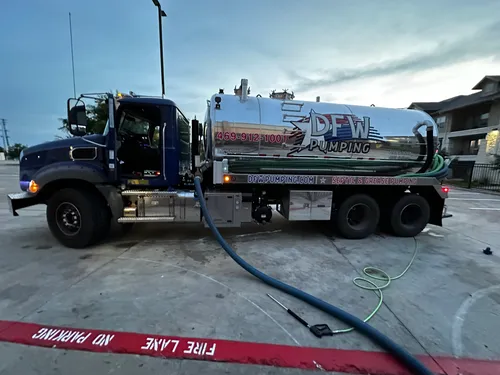
DFW Septic and Grease Services
4881 Montgomery Rd, Midlothian, TX 76065
DFW Septic and Grease Services provides septic tank pumping and inspection services in Dallas, TX. They serve both residential and commercial properties across multiple counties including Ellis, Tarrant, Dallas, Rockwall, Kaufman, Henderson, Navarro, Johnson, and Hill. Their services include septic system cleaning, grease trap maintenance, and thorough onsite inspections for various facilities such as restaurants, retirement homes, and grocery stores. The company offers expert advice and waste collection to help maintain efficient septic systems.
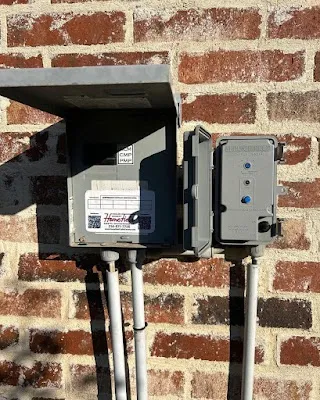
HomeField Parker County
617 Pine St, Aledo, TX 76008
HomeField Parker County is a septic service provider based in Fort Worth, TX, offering comprehensive septic system solutions for both residential and commercial clients. Their services include septic tank pumping, inspections, repairs, installations, drain field replacement, and system design. They also provide real estate septic inspections and maintenance plans to help customers stay compliant with local regulations. HomeField Parker County serves Parker, Johnson, and Hood counties, bringing local expertise to every job. Their team is equipped to handle emergency septic repairs and routine maintenance, ensuring systems operate efficiently and meet current standards.
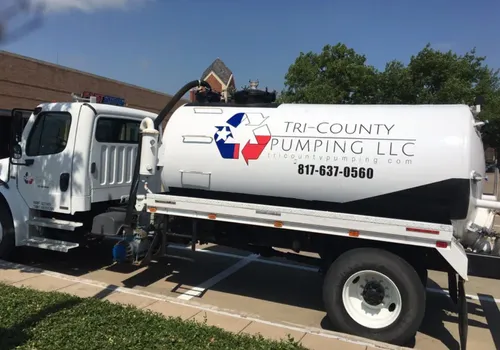
Tri-County Pumping LLC
10964 Blue Sky Dr, Haslet, TX 76052
Tri-County Pumping LLC is a family-owned septic tank pumping company based in Fort Worth, TX. They provide licensed services for both industrial and residential clients, specializing in non-hazardous industrial liquid waste and septic pumping. Their team includes college-degreed and state-licensed professionals who focus on compliance and proper waste management. Tri-County Pumping serves multiple counties including Tarrant, Denton, Wise, Parker, Hood, Johnson, and Dallas. With over 30 years of leadership experience in global operations, engineering, and logistics management, they bring expertise to their service delivery.
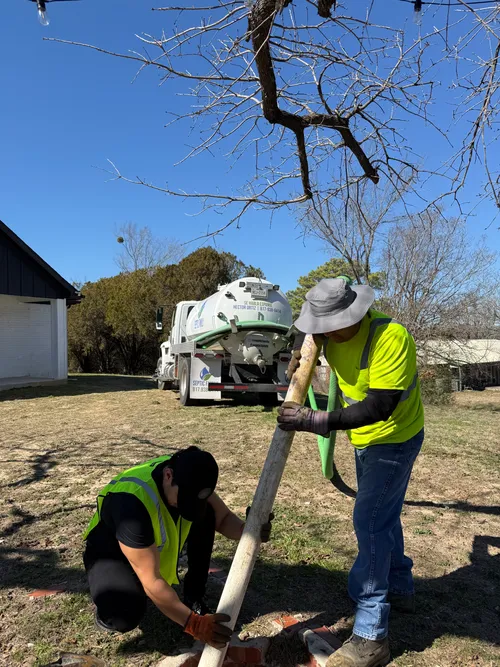
Septic family
545 Harrold St apt 7001, Fort Worth, TX 76107
Septic Family is a septic tank pumping, cleaning, repair, and installation company serving Dallas, TX, and surrounding areas including Fort Worth and multiple nearby communities. The company specializes in both conventional and aerobic septic systems, offering maintenance contracts, installations, and repairs. With 17 years of experience, Septic Family provides bilingual services in English and Spanish and is available 24/7 for septic system needs.
Understanding Your Septic System
A septic system is an on-site wastewater treatment structure, typically consisting of a tank and a drain field. All the water from your home-from toilets, showers, sinks, and appliances-flows into the septic tank. Here, solids settle to the bottom as sludge, oils and grease float to the top as scum, and the relatively clear liquid in the middle (effluent) exits into the drain field for further filtration into the soil. Regular septic tank cleaning is necessary because the sludge and scum layers accumulate over time. If not removed, they can overflow into the drain field, clogging the soil and causing system backups, foul odors, and potentially contaminating groundwater 1.
Recommended Pumping Frequency
For homes in North Richland Hills, Texas, the standard recommendation is to have your septic tank pumped every 3 to 5 years. This is a general guideline for an average household with a standard-sized tank.
Several key factors can influence how often you need this service:
- Household Size: More people generate more wastewater and solids, filling the tank faster.
- Tank Size: Smaller tanks require more frequent pumping.
- Total Wastewater Generated: The volume from laundry, dishwashing, and showers impacts accumulation rates.
- Amount of Solids: Garbage disposals can significantly increase solid waste entering the system.
Ignoring the schedule can lead to drain field failure, which is far more expensive to repair than routine pumping. Local guidelines often emphasize inspections every three years to proactively manage sludge and prevent such failures.
Signs You Need Immediate Service
Don't wait for a scheduled appointment if you notice any of these warning signs. They indicate your system may be failing or already full:
- Slow Drains: Sinks, tubs, and toilets that drain slowly, especially if plunging doesn't help.
- Sewage Odors: Unpleasant smells inside your home or around the yard near the tank or drain field.
- Gurgling Sounds: Noises coming from your plumbing.
- Wet, Spongy, or Lush Spots: Areas over the drain field that are unusually green, soggy, or have standing water, even during dry weather 2.
- Sewage Backup: The most severe sign, where wastewater backs up into household drains.
If you observe any of these, contact a licensed septic service provider in North Richland Hills immediately.
The Importance of Regular Inspections
While pumping removes solids, a professional inspection assesses the overall health of your entire system. It is recommended to have your septic system checked by a qualified professional every 3 years 3. Some local regulations or system types may even require inspection or recertification every two years.
A thorough inspection includes:
- Measuring Scum and Sludge Levels: Professionals use specialized tools to determine if the combined solids exceed 25-33% of the tank's capacity, the point at which pumping is advised 4.
- Checking Tank Integrity: Looking for cracks, leaks, or corrosion in the tank itself.
- Assessing the Drain Field: Ensuring the effluent is dispersing properly and the field is not saturated or clogged.
- Inspecting Mechanical Parts: Checking pumps, alarms, and filters if your system is equipped with them.
Regular inspections can identify small issues before they become catastrophic, saving you thousands of dollars in the long run.
Find the perfect septic tank pumping contractors for your needs
Get personalized recommendations and expert advice
Cost of Septic Services in North Richland Hills
Understanding the potential costs helps you budget for this essential home maintenance. Prices can vary based on tank size, accessibility, and the scope of work.
- Average Pumping Cost: The typical price range for standard septic tank pumping in the area is between $300 and $600.
- Overall Range: Depending on the factors above, total costs for pumping can span from around $200 to over $1,0005 6.
- Additional Services: If an inspection reveals problems, repair costs add up. For example, specialized maintenance procedures like soil fracturing to restore a drain field can range from $1,000 to $2,500 or more7.
Always request a detailed, written estimate from any service provider before work begins.
Best Practices for System Health
Protecting your investment goes beyond scheduling service. Follow these tips to extend the life of your septic system:
- Mind What You Flush: Only human waste and toilet paper should go down the toilet. Avoid flushing grease, cooking oils, coffee grounds, feminine hygiene products, diapers, wipes (even "flushable" ones), cigarettes, and chemicals.
- Conserve Water: Spread out laundry loads, fix leaky faucets, and install high-efficiency fixtures to avoid overwhelming the system with a surge of water.
- Protect the Drain Field: Never park vehicles or place heavy structures (like sheds) over the drain field. Keep roof drains, sump pumps, and other surface water away from the area.
- Pump During Dry Seasons: It's often best to schedule pumping during drier periods to reduce the risk of tank flotation in saturated soil and to allow for easier access for heavy trucks.
- Use Licensed Professionals: Always verify that the septic tank cleaners and installers you hire are licensed and insured. This ensures the work complies with Texas Commission on Environmental Quality (TCEQ) and local North Richland Hills codes, protecting you from liability and substandard work 8.
Local Regulations and Compliance
Texas, and specifically the TCEQ, regulates On-Site Sewage Facilities (OSSF), which is the official term for septic systems 9. While the state sets broad guidelines, local municipalities may have additional requirements. Homeowners are responsible for ensuring their system is functioning properly and does not create a public health nuisance. Using licensed professionals for installation, repair, and pumping is the simplest way to ensure compliance. They will be familiar with the necessary permits, setback requirements from property lines and water sources, and inspection protocols for North Richland Hills 10 11.
Frequently asked questions
Sources
Footnotes
-
Caring for Your Septic System | Mass.gov - https://www.mass.gov/guides/caring-for-your-septic-system ↩
-
Are There Regulations or Guidelines for Septic Tank Drain ... - https://weebeewasteservices.com/are-there-regulations-or-guidelines-for-septic-tank-drain-field-maintenance-in-texas/ ↩
-
Does Texas Require Septic Inspection - TexInspec - https://texinspec.com/does-texas-require-septic-inspection/ ↩
-
SEWER CONNECTIONS AND ON-SITE DISPOSAL SYSTEMS - https://ecode360.com/46057903 ↩
-
Septic Tank Pumping Cost: Guide & Pricing in 2025 - Splash Plumbing - https://www.splashplumbing.com/how-much-does-it-cost-to-pump-septic-tank-understanding-pricing-and-factors-involved/ ↩
-
Septic Tank Cleaning in North Richland Hills, TX - Costs 12 / 2025 - https://www.homeyou.com/tx/septic-tank-cleaning-north-richland-hills-costs ↩
-
Cost of a Septic System in Texas - https://dillonseptic.com/cost-of-a-septic-system-in-texas/ ↩
-
Septic System - Texas Water Resources Institute - https://twri.tamu.edu/wp-content/uploads/2024/04/em-126-septic-system-maintenance-inspection-pocket-guide.pdf ↩
-
On-Site Sewage Facilities (Septic Systems): General Information - https://www.tceq.texas.gov/permitting/ossf/ossfgeneral.html ↩
-
Texas Septic Tank Rules - https://dillonseptic.com/texas-septic-tank-rules/ ↩
-
Septic Tank Laws in Texas - https://dillonseptic.com/septic-tank-laws-in-texas/ ↩