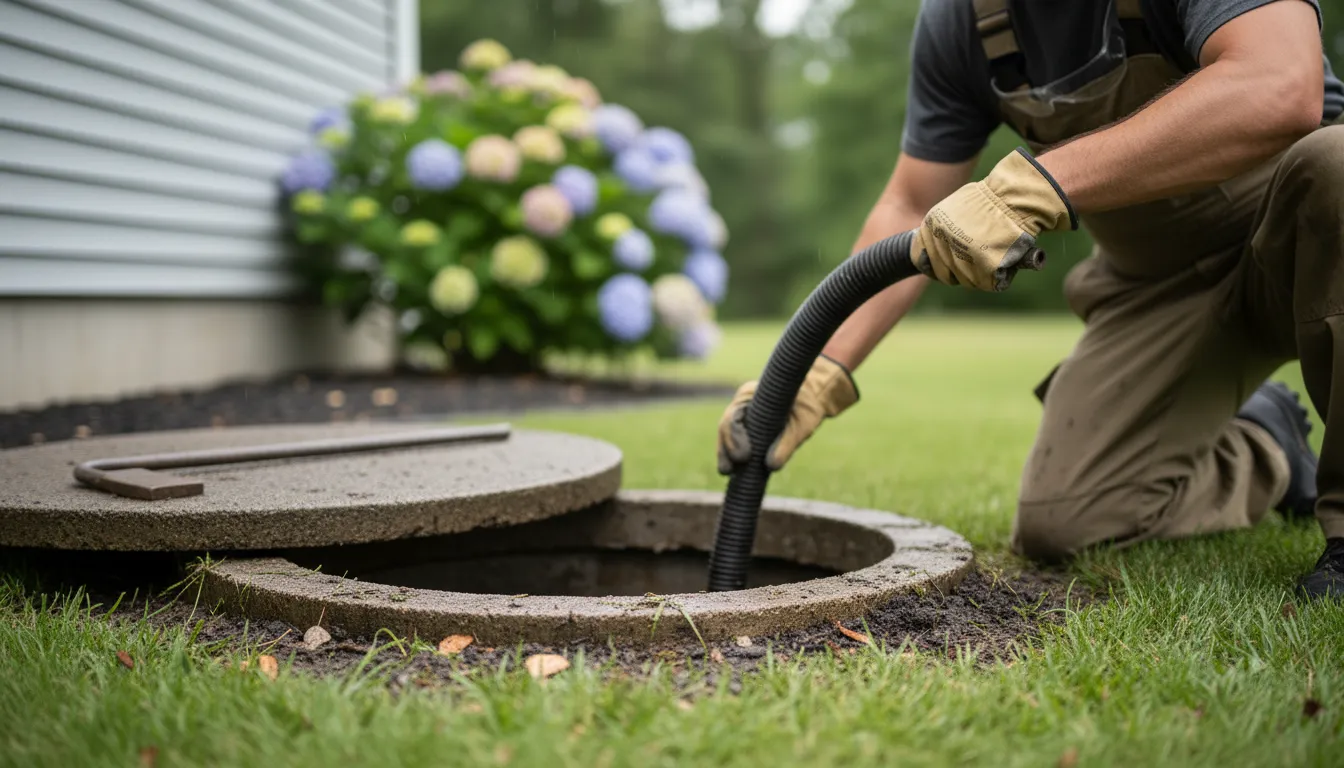
Find the Best Septic Tank Pumping Contractors for Your Business
No obligation • Fast responses • Nationwide coverage

Why you can trust Septic Spot
Septic Spot is a leading United States resource for understanding and comparing septic services. Our editors review providers using consistent criteria and verify key business details. Listings and scores are independent, and companies cannot pay to influence our content.
Search providers near you
Top Septic Tank Pumping Contractors in Pflugerville, Texas Ranked
Maintaining your septic system is a crucial responsibility for any homeowner not connected to a municipal sewer line. Regular septic tank pumping is the most important preventative maintenance task you can perform to protect your property, your health, and the local environment. This guide explains why this service matters, how often it's needed in the Pflugerville area, and how you can find qualified local professionals to handle the job efficiently and in compliance with Texas regulations.
Aerobic Services
145 FM1441, Bastrop, TX 78602
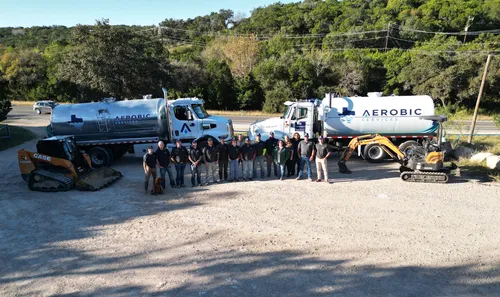
Aerobic Services is a septic tank pumping and installation company serving Austin, TX, and the surrounding Central Texas area. Established in 1999, the company offers residential and commercial wastewater services including septic system installations, maintenance, and pumping. With over 20 years of experience, Aerobic Services is known for its knowledgeable staff and thorough approach to septic system care.

Epic Septic & Service
3900 Ranch Rd 620 S #101, Austin, TX 78738
Epic Septic & Service is a septic tank pumping company based in Austin, TX. They offer septic services within a 60-mile radius of Austin, covering urban, suburban, and rural areas. The company aims to modernize the septic industry by providing fast and professional service.
Septic Squad
Austin, TX
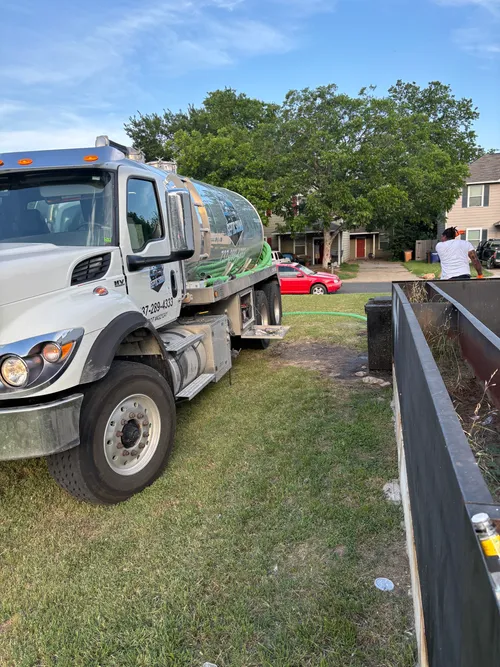
Septic Squad provides septic tank pumping, cleaning, and inspection services in Austin, TX, and nearby communities. They offer full system inspections, safe pumping, and grease trap cleaning to maintain residential and commercial septic systems. Their licensed technicians deliver detailed maintenance reports and conduct thorough evaluations to identify issues such as blockages or leaks. Septic Squad serves multiple counties including Williamson and Hays, covering cities like Round Rock, Cedar Park, and Kyle.
Hambone Plumbing and Septic Pumping
818 W 2nd St, Taylor, TX 76574
Hambone Plumbing and Septic Pumping is a family-owned business serving the Austin, TX area with over 30 years of experience. They provide residential and commercial plumbing and septic services, including septic tank pumping, inspections, and repairs. Their licensed team offers comprehensive solutions such as water heater installation and flushing, drain and sewer line cleaning, and advanced leak detection using thermal imaging technology. Hambone Plumbing and Septic Pumping is available 24/7 to handle emergency plumbing needs and maintain efficient, safe plumbing systems.
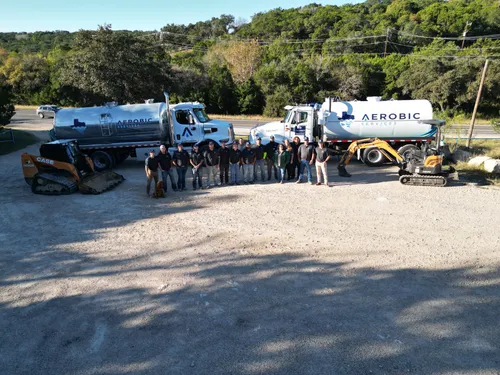
Aerobic Services
13341 W US Hwy, 290 Service Rd Bldg2 #B17, Austin, TX 78737
Aerobic Services is a septic tank pumping and installation company based in Austin, TX. Serving New Braunfels and the surrounding areas, they provide residential and commercial septic system services including installation, maintenance, and pumping. With over 20 years of experience since 1999, Aerobic Services has established itself as a significant wastewater service provider in Central Texas.
Why Septic System Maintenance is Essential
A septic system is an on-site wastewater treatment facility. When functioning correctly, it safely processes household water from toilets, showers, sinks, and appliances. Solids settle in the tank as sludge, while fats and oils float as scum. The liquid effluent then flows out to the drainfield for final filtration into the soil. Over time, the sludge and scum layers accumulate. If not removed through periodic septic tank cleaning, these layers can thicken to the point where solids escape into the drainfield, causing costly and unsanitary backups, system failure, and environmental contamination.
In Pflugerville and throughout Travis County, proper maintenance isn't just a good idea-it's often a regulatory requirement. The Texas Commission on Environmental Quality (TCEQ) oversees On-Site Sewage Facilities (OSSFs), which is the official term for septic systems. Using a licensed professional for pumping and inspection ensures that waste is transported and disposed of legally, protecting groundwater sources that serve the community.
Recommended Pumping and Inspection Schedule
How often you need to schedule septic tank service depends on several factors, but general guidelines provide a reliable starting point.
- Standard Pumping Frequency: For a typical household in Pflugerville, septic tanks should be pumped every 3 to 5 years. This is the standard recommendation to prevent sludge and scum from exceeding safe levels.
- Inspection Frequency: A professional inspection is recommended more frequently, typically every 1 to 3 years. An inspection can check sludge levels, look for leaks, and assess the health of the tank's components and the drainfield, potentially catching small issues before they become major repairs.
- Key Determining Factor: The single best way to know if your tank needs pumping is to have the sludge and scum levels measured. A common rule is to schedule pumping when the sludge depth reaches about one-third of the liquid depth, or if the combined thickness of sludge and scum is 25-33% of the tank's total depth1 2.
Factors That Change Your Schedule
The 3-5 year rule is an average. Your home may require more frequent septic system maintenance based on:
- Household Size and Water Usage: More residents mean more wastewater and solids entering the system.
- Tank Size: A smaller tank will fill with solids faster than a larger one.
- Garbage Disposal Use: Disposals significantly increase the amount of solids added to the tank.
- System Type: Aerobic treatment units (ATUs), which are common in Texas where soil conditions require advanced treatment, have mechanical parts and require more frequent servicing-often annually-under a maintenance contract.
Understanding Costs for Septic Pumping in Pflugerville
The cost to pump a septic tank in the Austin/Pflugerville area can vary, but understanding the average range helps you budget appropriately. Prices are primarily influenced by tank size and accessibility.
- Average Cost: For a standard 1,000 to 1,500-gallon tank, homeowners can expect to pay approximately $400 to $600 for a complete pump-out.
- Overall Range: Reported costs in the region range from about $200 to over $1,2003. A small 600-gallon tank might be pumped for around $175, while a large 2,000-gallon or larger tank, or one with difficult access, can cost $700 to $1,000 or more4 5.
- What's Included: A reputable service should include not just pumping, but also a basic visual inspection of the tank's inlet and outlet baffles and, ideally, a measurement of sludge/scum levels to advise you on your next service interval.
Find the perfect septic tank pumping contractors for your needs
Get personalized recommendations and expert advice
Texas and Local Regulations You Should Know
Working with licensed professionals is non-negotiable. Texas law requires that septic sludge be transported and disposed of by a licensed "sludge transporter" registered with the TCEQ. A legitimate service provider will have this certification.
- Permits: Permits from the local permitting authority (often the county) are required for new system installations, major repairs, or significant expansions of your home that increase wastewater flow6 7.
- Professional Licensing: Installers, inspectors, and maintenance providers for aerobic systems must be licensed by the TCEQ. Always verify a company's credentials before hiring them for any work beyond basic pumping.
The Pumping and Inspection Process: What to Expect
Knowing what happens during a service visit can make the process smoother.
- Locating and Uncovering the Tank: The technician will locate the tank's access lids (manholes) and excavate if necessary.
- Inspecting the Tank: Before pumping, a quick inspection of the tank's structure and baffles is performed.
- Pumping: A large hose is inserted, and a vacuum truck removes all contents from the tank-sludge, scum, and liquid.
- Post-Pump Inspection: With the tank empty, a clearer inspection for cracks, leaks, or baffle damage is possible.
- System Check: The technician may run water to check flow from the house to the tank and may visually assess the drainfield area for signs of surfacing effluent.
- Reporting: You should receive a report detailing the services performed, the condition of your system, and recommendations for future maintenance.
Pro Tip: The best time for septic tank emptying is during dry weather. A saturated drainfield from heavy rain is more susceptible to damage from the weight of the pumping truck, and a very empty tank in wet soil can potentially float or shift8.
Maintaining Your System Between Pumpings
Professional pumping is the cornerstone of care, but daily habits extend your system's life.
- Conserve Water: Fix leaks and spread out laundry loads to avoid overwhelming the system.
- Mind What You Flush: Only human waste and toilet paper. Never flush wipes (even "flushable" ones), feminine hygiene products, dental floss, or chemicals.
- Properly Dispose of Fats and Grease: Never pour cooking oil or grease down the drain.
- Landscape Carefully: Don't plant trees near the drainfield, and keep heavy vehicles off the entire system area.
- Keep Records: Maintain a log of all pumping, inspections, and repairs.
Signs Your Septic Tank Needs Immediate Attention
Don't wait for your scheduled maintenance if you notice these warning signs:
- Slow drains or sewage backups in your home.
- Gurgling sounds in your plumbing.
- Unpleasant odors around the tank or drainfield.
- Exceptionally lush, green grass or soggy ground over the drainfield.
- Standing water or surfacing sewage in your yard.
If you observe any of these, contact a licensed septic professional immediately to diagnose the problem.
Frequently asked questions
Sources
Footnotes
-
Septic System - Texas Water Resources Institute - https://twri.tamu.edu/wp-content/uploads/2024/04/em-126-septic-system-maintenance-inspection-pocket-guide.pdf ↩
-
Septic Systems | Department of Environmental Protection - https://www.pa.gov/agencies/dep/residents/my-water/septic-systems ↩
-
Frequent Questions on Septic Systems | US EPA - https://www.epa.gov/septic/frequent-questions-septic-systems ↩
-
How Much Does It Cost to Pump a Septic Tank in Austin? [2026 Data] - https://www.angi.com/articles/how-much-does-septic-tank-pumping-cost/tx/austin ↩
-
Septic Tank Pumping Cost: Guide & Pricing in 2025 - Splash Plumbing - https://www.splashplumbing.com/how-much-does-it-cost-to-pump-septic-tank-understanding-pricing-and-factors-involved/ ↩
-
On-Site Sewage Facilities (Septic Systems): General Information - https://www.tceq.texas.gov/permitting/ossf/ossfgeneral.html ↩
-
Texas Septic System Regulations - https://dillonseptic.com/texas-septic-system-regulations/ ↩
-
Maintenance of On-Site Sewage Facilities (Septic Systems) - https://www.tceq.texas.gov/permitting/ossf/ossfmaintenance.html ↩