
Find the Best Septic Tank Pumping Contractors for Your Business
No obligation • Fast responses • Nationwide coverage

Why you can trust Septic Spot
Septic Spot is a leading United States resource for understanding and comparing septic services. Our editors review providers using consistent criteria and verify key business details. Listings and scores are independent, and companies cannot pay to influence our content.
Search providers near you
Top Septic Tank Pumping Contractors in Texas City, Texas Ranked
Maintaining a healthy septic system is a crucial responsibility for homeowners not connected to municipal sewer lines. Regular septic tank pumping is the most essential maintenance task to prevent system failures, costly repairs, and environmental contamination. This guide provides Texas City residents with expert information on septic system maintenance, including pumping schedules, inspection requirements, and how to find qualified local professionals for this vital service.
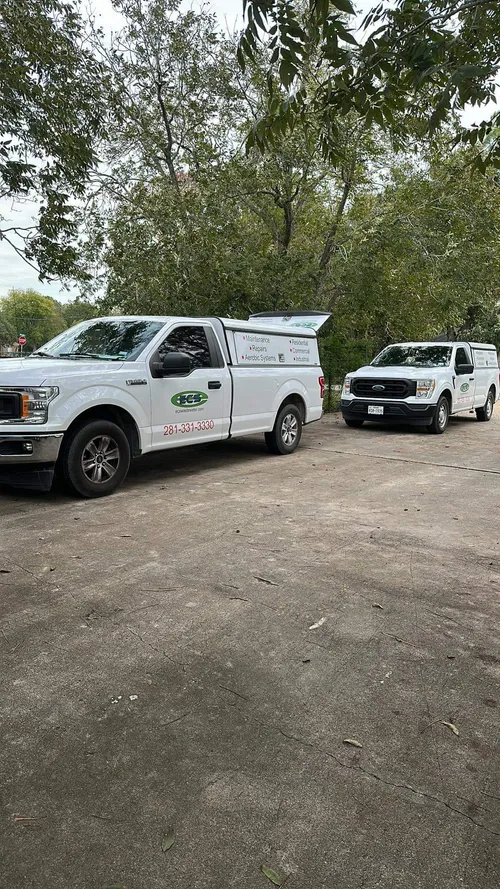
Environmental Construction Services
8916 Quail Valley Dr, Manvel, TX 77578
Environmental Construction Services is a licensed and insured septic system company serving Houston, TX, and surrounding counties. Since 1992, they have provided residential and commercial septic system installation, maintenance, and repair services, specializing in aerobic septic systems. Their technicians are licensed by the Texas Commission on Environmental Quality and are available seven days a week to address septic system needs. The company serves a large area including Brazoria, Fort Bend, Galveston, and Harris counties. Environmental Construction Services also offers maintenance contracts and uses quality parts to help extend the life of septic systems.

Whitt Septic Systems
115 County Rd 291A, Alvin, TX 77511
Whitt Septic Systems is a septic tank pumping, repair, and installation company serving Houston, TX, and parts of Brazoria, Galveston, Fort Bend, and Harris Counties. They provide services for both residential and commercial septic systems, including maintenance contracts, aerobic system repairs and installations, and septic tank pumping through a partner. The company emphasizes individual attention and detailed workmanship for each project.
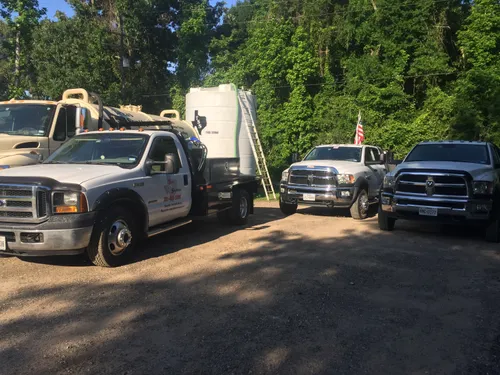
Texas Septic Solutions
Pearland, TX
Texas Septic Solutions provides septic tank installation, pumping, and maintenance services in Pearland, TX. They serve both residential and commercial customers, offering routine septic and aerobic tank maintenance to prevent system failures. Their capabilities include new septic installations, pump outs, parts and sales, as well as drainage system and runoff trench work. The company also handles land clearing, pond services, stump removal, and manufactured home site pads. Texas Septic Solutions offers 24-hour emergency services to address urgent septic needs.
Understanding Your Septic System
A septic system is an on-site wastewater treatment structure, typically consisting of a tank and a drain field. The tank separates solids from liquids, allowing clarified effluent to flow out to the drain field for further treatment in the soil. Over time, solid waste accumulates as sludge at the bottom and scum at the top. If these layers become too thick, they can clog the outlet and cause sewage to back up into your home or surface in your yard. Regular septic tank pumping removes these accumulated solids, keeping the entire system functioning properly.
How Often Should You Pump Your Septic Tank in Texas City?
The frequency of septic tank cleaning is not one-size-fits-all. While a common guideline for Texas City is every 3 to 5 years 1, your household's specific needs depend on several key factors. The size of your tank and the number of people in your home are the primary determinants.
- 1-2 People: Pumping may only be needed every 5 to 7 years.
- 3-4 People: A typical family should plan for service every 2.5 to 4 years.
- 5+ People: Larger households or those with high water usage often require pumping every 1 to 3 years.
Other factors that can shorten the interval between pump-outs include the frequent use of a garbage disposal, which adds substantial solids, and smaller tank sizes relative to household demand 2 3. The only way to know for sure is through a professional inspection, which measures the sludge and scum levels inside your tank.
Texas and Local Septic System Regulations
Texas has specific rules governing septic systems, known as On-Site Sewage Facilities (OSSFs). Compliance is not just good practice-it's the law. Key regulations for Texas City homeowners include:
- Inspections: All systems must be inspected at least every three years by a licensed septic professional 4. However, more frequent checks are often wise.
- Aerobic System Maintenance: If you have an aerobic treatment unit (ATU), state law typically requires inspection and maintenance by a licensed provider every four months, with reports submitted to local authorities.
- Access Ports: Your septic tank must have accessible inspection or cleanout ports over the inlet and outlet baffles 5. This allows for proper measurement and service.
Always hire a licensed contractor for inspection and maintenance to ensure your system meets all Texas Commission on Environmental Quality (TCEQ) and local requirements 6.
The Septic Tank Pumping Process
Knowing what to expect can make scheduling this necessary service easier. A standard septic tank pumping service involves several key steps:
- Locating and Uncovering the Tank: The technician will find the tank lids, which may require some digging.
- Inspecting the System: Before pumping, a good professional will check inlet and outlet baffles, look for signs of leaks or damage, and measure the sludge and scum layers.
- Pumping the Tank: Using a large vacuum truck, all liquid and solid waste is removed from the tank and transported for proper disposal.
- Post-Pumping Inspection: The empty tank may be rinsed and inspected for cracks, structural issues, or baffle problems.
- System Documentation: You should receive a report detailing what was found and any recommendations for repairs or future maintenance.
A proper pump-out does not involve adding chemicals or "starters"; a healthy system will re-establish its bacterial ecosystem naturally.
Signs Your Septic Tank Needs Pumping
Don't wait for a disaster. Be proactive and watch for these warning signs that your tank is reaching capacity:
- Slow Drains: Sinks, showers, and toilets that drain slowly, especially throughout the house.
- Sewage Odors: Unpleasant smells emanating from drains or in the area around your drain field.
- Gurgling Sounds: Strange noises coming from your plumbing.
- Pooling Water or Lush Grass: Soggy ground or unusually green, fast-growing grass over the drain field indicates effluent is surfacing.
- Sewage Backup: The most severe sign-wastewater backing up into household drains.
If you notice any of these issues, contact a septic service professional immediately to assess the situation.
Cost of Septic Tank Pumping in Texas City
The price for routine septic tank pumping and maintenance in the Texas City area typically ranges from $300 to $600 per service 7 8. This is a general estimate, and the final cost can be influenced by:
- Tank Size and Accessibility: Larger tanks cost more to pump. Hard-to-reach tanks may incur additional fees.
- Condition of the System: If the tank lids are buried deep or the system requires extra time to locate, labor costs may increase.
- Type of System: Standard gravity systems are most common. Aerobic systems have additional maintenance requirements, including inspection fees every four months.
While this is an essential expense, it is far less costly than repairing or replacing a failed drain field, which can run into the tens of thousands of dollars.
Find the perfect septic tank pumping contractors for your needs
Get personalized recommendations and expert advice
Maintaining Your System Between Pumpings
Proper care extends the life of your system and stretches the time between necessary pump-outs. Follow these best practices:
- Conserve Water: Spread out laundry loads, fix leaky faucets, and install water-efficient fixtures to avoid overwhelming the drain field.
- Mind What You Flush: Only human waste and toilet paper should go down the toilet. Avoid flushing wipes (even "flushable" ones), feminine hygiene products, dental floss, and chemicals.
- Use the Garbage Disposal Sparingly: Compost food scraps instead. Disposals significantly increase the solid load in your tank.
- Protect Your Drain Field: Never park or drive heavy vehicles over it. Plant only grass over the area; tree roots can cause severe damage.
- Divert Rainwater: Ensure roof drains and yard drainage are directed away from the septic tank and drain field to prevent saturation.
Choosing a Septic Service Provider in Texas City
Selecting a reliable, licensed professional is critical. Look for a provider with:
- Proper Licensing: Verify they hold a current license from the TCEQ.
- Local Experience: Knowledge of Texas City soil conditions and local regulations is invaluable.
- Good Reputation: Check online reviews and ask for references from neighbors.
- Comprehensive Service: Choose a company that offers pumping, inspections, repairs, and can provide clear documentation of their work.
- Transparent Pricing: They should be willing to provide a detailed estimate before beginning work.
Regular maintenance by a trusted professional is the best investment you can make in your home's septic system.
Frequently asked questions
Sources
Footnotes
-
How Often to Pump a Septic Tank 2026 - Clear River Environmental - https://clearriverenvironmental.com/how-often-to-pump-a-septic-tank/ ↩
-
How Often to Pump Septic Tank Family of 4: Essential Guidelines - https://www.benjaminfranklinplumbing.com/league-city/blog/2024/december/how-often-to-pump-septic-tank-family-of-4-essential-guidelines/ ↩
-
How Often Should You Pump Your Septic Tank? - https://tlsepticpumper.com/septic-system-education/how-often-pump-septic-tank/ ↩
-
Homeowner's Guide to Septic Systems - Lakeway-tx.gov - https://www.lakeway-tx.gov/DocumentCenter/View/35501/EPA---Homeowners-Guide-for-Septic-Systems ↩
-
30 Tex. Admin. Code § 285.32 - Criteria for Sewage Treatment ... - https://www.law.cornell.edu/regulations/texas/30-Tex-Admin-Code-SS-285-32 ↩
-
Septic Tank Laws in Texas - https://dillonseptic.com/septic-tank-laws-in-texas/ ↩
-
Texas Septic Tank Rules - https://dillonseptic.com/texas-septic-tank-rules/ ↩
-
Cost of a Septic System in Texas - https://dillonseptic.com/cost-of-a-septic-system-in-texas/ ↩