
Find the Best Septic Tank Pumping Contractors for Your Business
No obligation • Fast responses • Nationwide coverage

Why you can trust Septic Spot
Septic Spot is a leading United States resource for understanding and comparing septic services. Our editors review providers using consistent criteria and verify key business details. Listings and scores are independent, and companies cannot pay to influence our content.
Search providers near you
Top Septic Tank Pumping Contractors in The Colony, Texas Ranked
Maintaining a healthy septic system is a crucial responsibility for homeowners in The Colony. Regular septic tank pumping is the most important preventative maintenance task you can perform to avoid messy, expensive, and environmentally hazardous system failures. This guide explains why this service is essential, how often you should schedule it, what to expect during the process, and how to find qualified local professionals to handle your system's needs.

Bacon Plumbing Heating Air Electric
2055 Kristy Ln, Rockwall, TX 75032
Bacon Plumbing Heating Air Electric is a full-service company based in Dallas, TX, offering plumbing, HVAC, electrical, sewer, and septic services. Founded in 2011, they serve the Dallas-Fort Worth metroplex and Houston areas with a team of licensed and insured professionals. The company provides 24/7 emergency services and backs their work with various warranties, including a 25-year warranty on full sewer re-pipes. Their expertise includes septic tank pumping and comprehensive plumbing solutions.
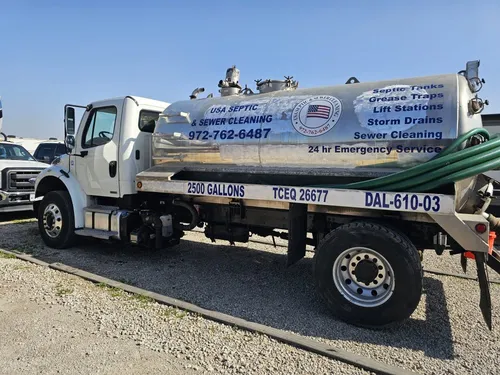
USA Septic and Sewer Cleaning
4661 Ray White Rd, Fort Worth, TX 76244
USA Septic and Sewer Cleaning is a licensed septic service provider based near Dallas, TX, serving Fort Worth, Keller, and Tarrant County. They offer septic tank pumping, inspection, system repair, lift station maintenance, and grease trap cleaning for residential and commercial clients. The company provides 24/7 emergency septic and lift station repair services to address backups, overflows, and pump failures promptly. Their team uses advanced equipment to maintain system efficiency and compliance, helping prevent costly repairs and blockages.
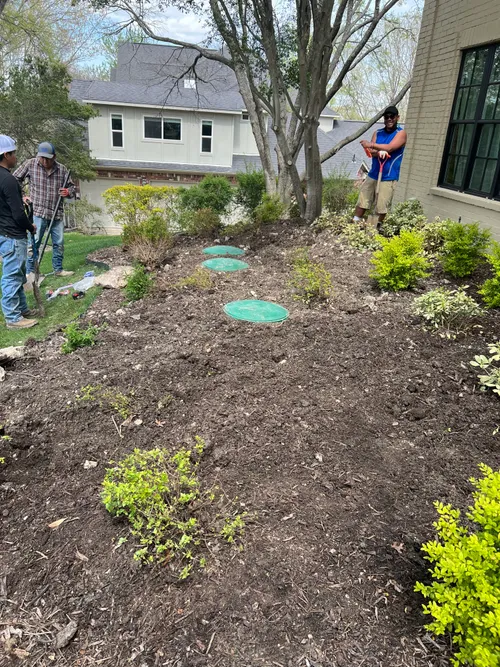
Year Round Septic
Dallas, TX
Year Round Septic is a septic service provider based in Dallas, TX. They specialize in septic tank installation for new construction and replacement projects, septic tank repair, and comprehensive septic tank inspections. The company offers 24/7 emergency services to address urgent septic system issues promptly. They also facilitate regular septic tank pumping for both residential and commercial properties to maintain system functionality and prevent problems.

Total Septic
3300 Maroon Creek Rd, Aubrey, TX 76227
Total Septic is a locally owned and operated company based in Dallas, TX, offering a full range of septic system services including installation, pumping, inspection, and repair. They serve multiple Texas counties such as Collin, Grayson, Denton, Rockwall, Fannin, and Hunt. The company specializes in various septic systems including traditional, aerobic, plastic/poly, and concrete tanks, ensuring each installation meets local codes and site conditions. Total Septic also provides excavation services like land clearing, grading, trenching, and demolition for residential and commercial projects. With decades of combined experience, they manage projects with modern equipment and a focus on compliance and safety.
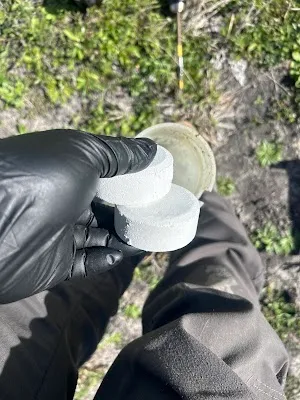
HomeField Collin County
McKinney, TX
HomeField Collin County provides septic system services in McKinney, TX, including septic tank pumping, inspection, repair, installation, and pump replacement. The company is known for thorough septic system repairs and maintenance, with technicians who explain system components clearly to customers. HomeField Collin County serves residential clients throughout the area, offering knowledgeable and responsive service to address various septic needs.
Why Septic Tank Pumping is Non-Negotiable
Your septic tank is a live ecosystem where solids settle and bacteria break down waste. Over time, non-biodegradable solids (sludge) accumulate at the bottom. If not removed, this sludge builds up, eventually flowing into the drain field, clogging the soil, and causing sewage to back up into your home or pool on your lawn. Routine septic system pumping removes this accumulated sludge and scum, preventing system failure, protecting groundwater from contamination, and extending the life of your entire on-site sewage facility (OSSF). In Texas, failing to maintain your system can lead to violations and costly repairs 1.
Recommended Pumping Frequency for The Colony Homes
How often you need to pump your tank isn't a one-size-fits-all answer; it depends on your household's specific characteristics. Following state and expert guidelines is key to a functional system.
- Standard Guideline: For an average household, the Texas Commission on Environmental Quality (TCEQ) and other authorities recommend pumping every 3 to 5 years.
- High-Usage Households: If your home has more occupants, uses a garbage disposal frequently, or has a smaller-than-average tank, you should plan for more frequent septic tank cleaning, potentially every 1-2 years 2 3.
- Inspection is Key: The best way to determine need is through regular inspection. The Texas Water Resources Institute recommends inspecting the sludge and scum layers annually; pumping is advised when solids fill 25-33% of the tank's volume 4.
The Inspection and Pumping Process
A professional service involves more than just vacuuming out the tank. A thorough job ensures everything is functioning correctly.
- Locating & Accessing the Tank: The technician will locate the tank and uncover the manhole and inspection ports. Texas law requires functional inspection ports over the inlet and outlet baffles for proper maintenance.
- Inspecting the System: Before pumping, a good professional will inspect the tank's interior, baffles, and, if accessible, the drain field for signs of trouble. This inspection can identify small issues before they become major failures 5.
- Pumping the Tank: Using a large vacuum truck, all solids and liquids are pumped from the tank. The goal is to remove the accumulated sludge layer while leaving some liquid to restart the bacterial ecosystem.
- Final Check & Advice: After pumping, the technician should do a final check and may offer advice on your system's health and recommended maintenance schedule.
Understanding Costs for Septic Service
The cost for septic tank maintenance like pumping in the North Texas region can vary. On average, homeowners can expect to pay around $500 for a standard pumping service 6. However, the final price depends on several factors:
- Tank Size: Larger tanks cost more to pump.
- Accessibility: If the tank is buried deep or under obstacles, the job will take more labor.
- Condition: Extremely clogged or neglected tanks may require additional work.
- Additional Services: An inspection may be included or billed separately.
Always get a detailed estimate before work begins. While prices can range from $200 to over $1,200, paying for regular service is far less expensive than repairing or replacing a failed drain field 7.
Find the perfect septic tank pumping contractors for your needs
Get personalized recommendations and expert advice
Maintaining Your System Between Pumpings
Proper daily care extends the time between necessary pumpings and protects your investment.
- Conserve Water: Fix leaks and spread out laundry loads to avoid overwhelming the system.
- Mind What You Flush: Only human waste and toilet paper should go down the drain. Avoid flushing wipes (even "flushable" ones), feminine hygiene products, grease, coffee grounds, and chemicals.
- Protect the Drain Field: Never park or build over the drain field. Keep roof drains and sump pumps directed away from it.
- Use Bacteria Additives Cautiously: A healthy system naturally contains the bacteria it needs. Most experts state additives are unnecessary for routine maintenance and some can actually harm the system.
Choosing a Licensed Professional in The Colony
This is not a DIY project. Texas law requires that septic system maintenance and inspections be performed by licensed professionals to ensure compliance with state codes and protect public health 8. When selecting a provider:
- Verify their TCEQ license is current.
- Ask if they are insured.
- Request references from local customers.
- Ensure they will provide a detailed service report after the work.
- Confirm they will locate and inspect all components, including the inspection ports as required 9.
Local regulations in Denton County or The Colony may have specific requirements, so it's always wise to check with local authorities regarding any necessary permits for service or repair.
Signs Your Septic Tank Needs Immediate Attention
Don't wait for a complete failure. Contact a professional if you notice:
- Slow drains or gurgling pipes throughout the house.
- Sewage backups in toilets, showers, or sinks.
- Unpleasant odors around the house or yard.
- Unusually lush, green grass or soggy ground over the drain field.
- Standing water or surfacing sewage in your yard.
Addressing these signs quickly can mean the difference between a simple pumping and a catastrophic system replacement.
Frequently asked questions
Sources
Footnotes
-
On-Site Sewage Facilities (Septic Systems): General Information - https://www.tceq.texas.gov/permitting/ossf/ossfgeneral.html ↩
-
Septic Systems | Department of Environmental Protection - https://www.pa.gov/agencies/dep/residents/my-water/septic-systems ↩
-
Septic Tank Pumping: How Often Should You Schedule It? - https://accurateplumbingtx.com/septic-tank-pumping-how-often-to-schedule/ ↩
-
Septic System - Texas Water Resources Institute - https://twri.tamu.edu/wp-content/uploads/2024/04/em-126-septic-system-maintenance-inspection-pocket-guide.pdf ↩
-
Septic Tanks - Preventative Routine Maintenance - https://des.sc.gov/permits-regulations/septic-tanks/homeowner-resources/septic-tanks-preventative-routine-maintenance ↩
-
How often should a septic be pumped? What is the correct way ... - https://www.quora.com/How-often-should-a-septic-be-pumped-What-is-the-correct-way-of-doing-it ↩
-
Septic Tank Pumping Cost: Guide & Pricing in 2025 - Splash Plumbing - https://www.splashplumbing.com/how-much-does-it-cost-to-pump-septic-tank-understanding-pricing-and-factors-involved/ ↩
-
Septic Tank Laws in Texas - https://dillonseptic.com/septic-tank-laws-in-texas/ ↩
-
30 Tex. Admin. Code § 285.32 - Criteria for Sewage Treatment ... - https://www.law.cornell.edu/regulations/texas/30-Tex-Admin-Code-SS-285-32 ↩